
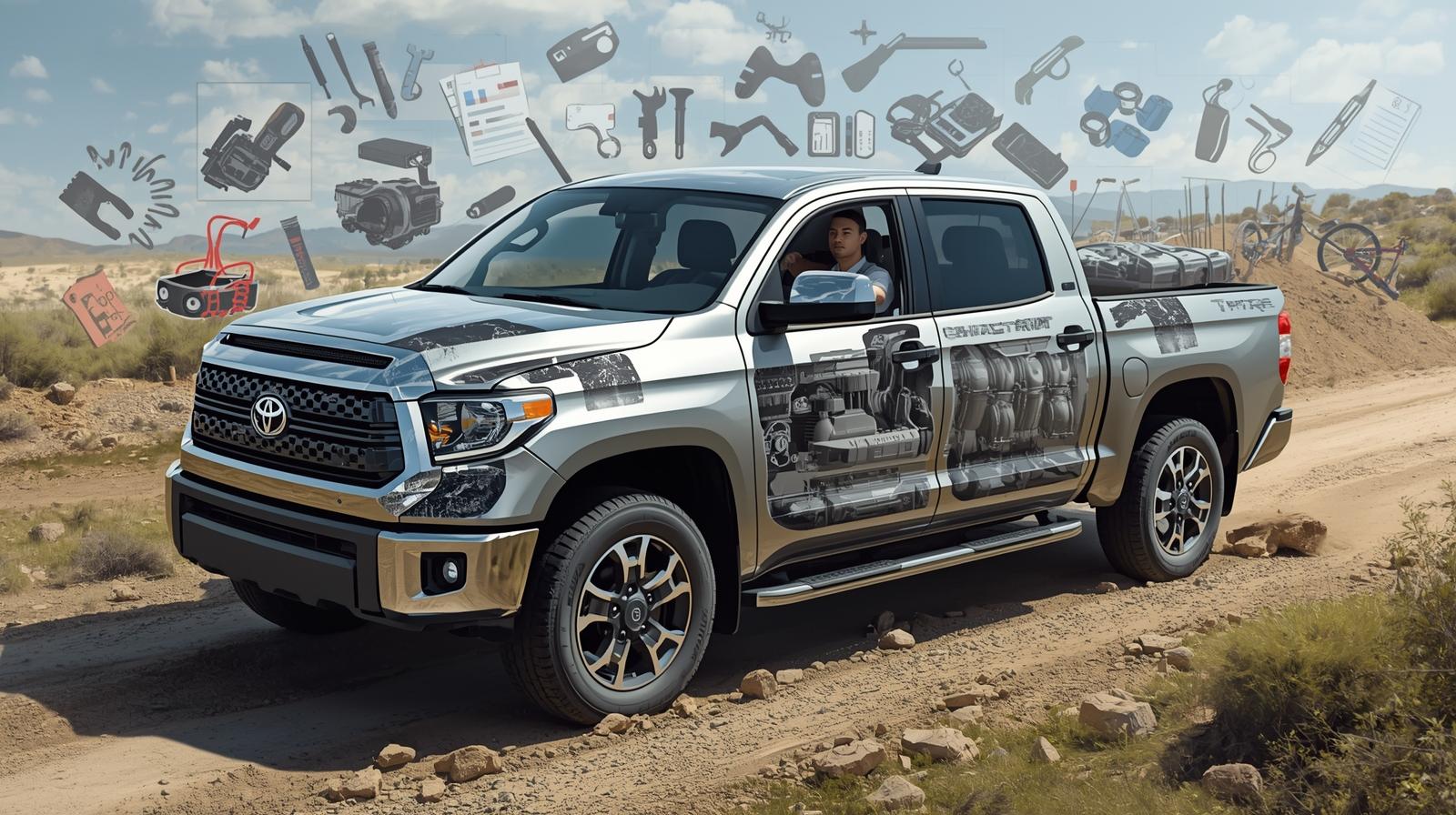
When you buy a full size pickup you expect it to feel reliable both on the road and during tough work. But here is the thing many owners start searching toyota tundra problems when they run into surprise repair bills safety alerts or issues that keep coming back again and again. So in this guide we are breaking down real owner experiences along with recall updates and practical insights to help you understand the risks and make smarter decisions.
We looked through owner forums official reports and Toyota updates to figure out what problems show up most often and how serious they really are. You will also find practical tips here to help you spot issues early understand repair costs and decide if the Tundra still makes sense for you over the long run.
Powertrain and Oil Consumption Patterns That Raise Eyebrows
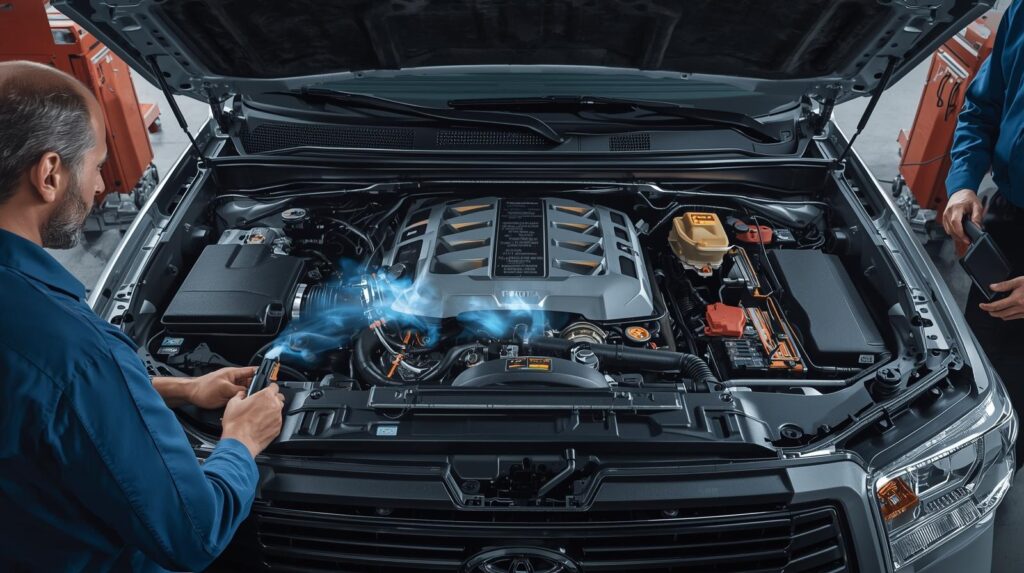
Modern Tundras show a pattern of oil-related concerns that can escalate quickly if ignored.These early indicators help owners understand engine health before major failures occur.
V35A Engine Complaints and Engine-Related Recalls
Many owners have noticed higher oil usage in newer Tundra models and in some cases even serious engine trouble with the V35A engine. Toyota has already issued recalls for some 2022 to 2025 trucks which clearly shows the company is aware of these problems. If you are planning to buy one it is smart to check the VIN with a dealer and keep proper oil service records if your truck has this engine.
Practical Checks and Early Warning Signs
In practice, testing reveals predictable red flags: persistent low oil messages between services, blue smoke on cold starts, and rapid oil level drops over short mileage. If a truck exhibits any of these signs, request an extended oil consumption test from the dealer and document all service interactions. Real-world usage shows a written paper trail improves the odds of a favorable dealer response or warranty coverage.
Transmission and Drivetrain Fields of Concern
Shifting behavior and drivetrain feel often reveal long-term reliability trends. Spotting issues early helps reduce repair cost and prevents cascading damage.
Shifting Roughness and Long Term Wear
Transmission complaints for older and high mileage Tundras remain a recurring theme across owner reports. These issues range from hard upshifts to delayed engagement when moving from park. Testing and forum discussions suggest that routine towing, heavy loads, and deferred fluid service accelerate wear. Prospective buyers should obtain a transmission service history and consider a professional inspection that simulates load conditions.
Cost Expectations and Repair Realities
In many cases, transmission diagnosis can be straightforward, but repairs often carry significant cost once internal components fail. In practice, replacing a transmission or major internal parts is expensive. Owners who tow regularly should budget for more frequent maintenance and consider extended powertrain warranties if the usage profile is heavy. Documenting towing weight and frequency helps when negotiating with a dealer or warranty provider.
Corrosion and Frame Integrity: Old Problem, New Attention
Frame rust remains one of the most discussed Tundra issues across older model years.
Visible metal degradation can impact safety and requires timely inspection.
Rusted Frames, Class Actions, and Toyota Responses
Frame corrosion has been a historically significant issue for certain Tundra model years. This problem prompted legal actions and remediation programs in multiple markets. Recently, class action activity and settlement announcements have renewed attention on frame treatment and the warranty-like remedies Toyota has offered to affected owners. If frame integrity is a concern, inspect wheel wells, underbody seams, and suspension mounts for perforation or flaking metal.
How to Inspect and When to Escalate
A competent underbody inspection will reveal whether visible surface rust is cosmetic or whether perforation exists that compromises safety. In practice, a small hand-held inspection light and a mirror reveal many early problems. Owners should escalate to a dealer service manager and, if necessary, pursue documented remedies through official campaigns or consumer counsel when severe corrosion appears within a surprisingly short ownership window.
Electronics, Software and Accessory Failures
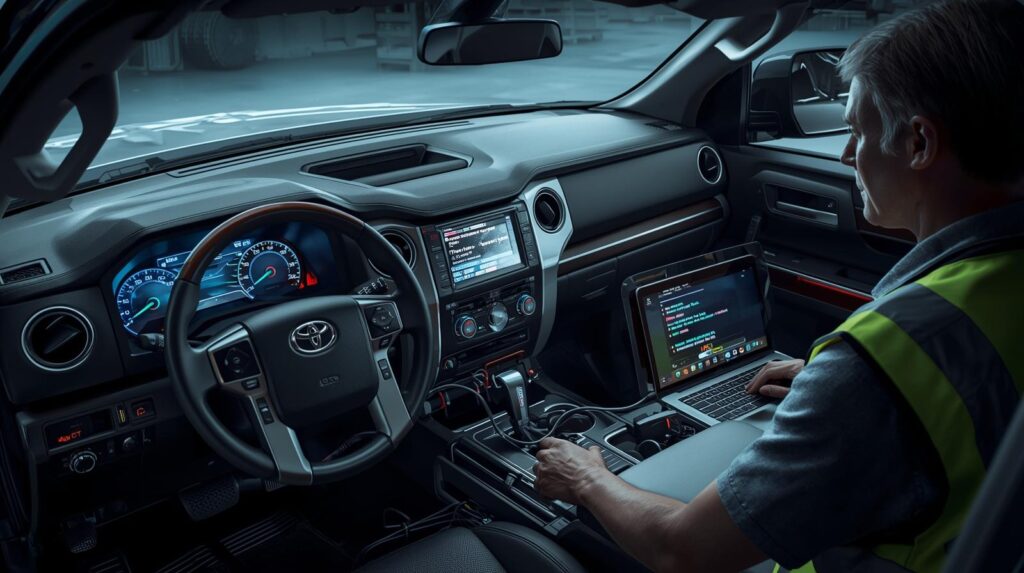
Modern Tundras rely heavily on digital systems that can influence safety and usability.
Glitches, recall alerts, and display failures often point to deeper electrical problems.
Infotainment and Instrument Cluster Failures That Affect Safety
Modern Tundras rely on complex electronics that control essential displays and advanced driver features. Toyota issued multiple recalls and service actions for instrument panel and display malfunctions in recent model years, which can leave drivers without critical speed or warning information. When dashboards blank or display errors appear, do not ignore the fault light. Dealers must follow recall repair instructions where applicable.
Small Electrical Gremlins That Add Up
Beyond headline recalls, owners report intermittent sensors, door module glitches, and accessory wiring wear that create nuisance trips to service centers. In practice, small electrical faults are often caused by water intrusion, poor connector fit, or vibration over time. Address recurring electrical problems early, because repeated intermittent faults often become costly to trace and fix later.
Ownership Patterns That Shape Long Term Risk
How a Tundra is used directly influences its long-term reliability curve. Heavy towing, harsh environments, and inconsistent maintenance accelerate wear.
Towing, Payload and Real World Durability
The way owners use their Tundra determines how problems appear over time. Trucks used for heavy towing or frequent off road work exhibit accelerated wear across brakes, suspension, and drivetrain components. Real-world usage shows that regular heavy towing without appropriate cooling upgrades or fluid maintenance shortens component life. Buyers who plan heavy use should prioritize truck models with towing packages and maintain a stricter service cadence.
Dealership Experience and Claim Outcomes
Dealership handling of problems varies by location and service culture. Based on analysis of owner accounts, the outcome often depends on documentation quality, persistence, and whether a problem matches a recognized recall or service campaign. In practice, polite persistence combined with written records, test-drive videos, and replication steps improves the chance of a favorable resolution.
Practical Maintenance Checklist and Buying Advice
A structured inspection approach protects buyers from hidden repair liabilities. Simple tests and verification steps can reveal issues before money is spent.
Prepurchase Inspection Checklist for Peace of Mind
A focused prepurchase checklist saves money and time. Inspect the underside for frame perforation, check oil level and look for smoke on start, verify transmission function under load, confirm all recalls cleared with VIN, and test infotainment and instrument lights across a range of conditions. Ask the seller for maintenance records and, when possible, conduct a compression or diagnostic scan to reveal hidden issues.
Owner Practices That Reduce Risk
Simple owner practices reduce the chance of major failures. Maintain scheduled oil and transmission services, avoid repeated heavy towing with inadequate cooling, treat the underbody for corrosion if in a salt environment, and keep electronic modules dry. In practice, these measures lower lifetime cost of ownership and preserve resale value.
Final Verdict: Risk, Reward, and Realistic Expectations
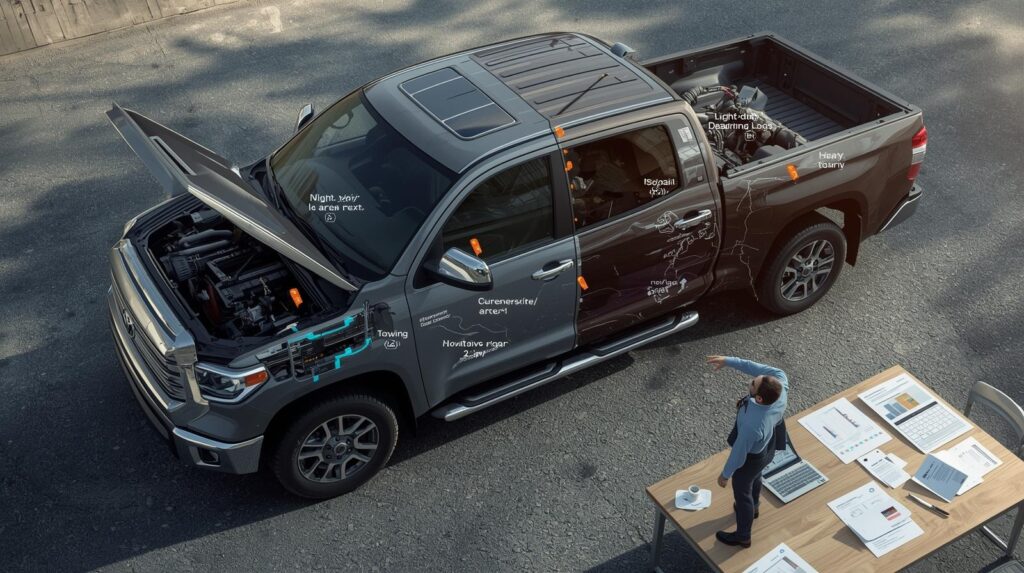
The Toyota Tundra is still a solid full size truck and it does offer strong capability for everyday use. But you should not ignore the fact that toyota tundra problems do exist and they depend on the model year engine type and how the truck is used. Recent recalls and owner feedback mean you need to be more careful before buying and stay consistent with maintenance. If your usage is light or moderate and you follow service schedules it can still be a good value. But if you plan heavy towing or want a risk free experience you should seriously think about possible repair costs before making a decision.
When a problem appears, document everything, check VIN-specific recall status, and pursue dealer remedies firmly but professionally. In practice, proactive inspection and early intervention convert many potential disasters into manageable maintenance items. Overall, treat the Tundra like any modern truck: capable, but not immune to engineering and field-use stresses.
Conclusion
This assessment condenses owner reports, official recall communications, and hands-on inspection guidance into a concise, usable package for anyone researching toyota tundra problems. The Tundra offers real capability, but it requires informed ownership to avoid surprises.
Verify VIN-specific recalls, insist on documented dealer tests for concerning symptoms, and adopt practical maintenance habits to manage risk. Based on analysis and real-world usage reports, a well-maintained Tundra remains a defensible choice for many buyers, provided they accept that modern pickups require active, informed stewardship to deliver long term value.
FAQs
What are the common symptoms that indicate an engine oil consumption issue?
Owners should watch for consistent low oil alerts, blue smoke on startup, and measurable oil loss between services. If these occur, request a documented oil consumption test from the dealer and retain service records for potential warranty or recall claims.
How can you tell when frame corrosion requires dealer escalation?
Severe flaking, holes that reveal interior frame cavities, or visible suspension mount erosion signal structural risk. Photograph the damage, obtain a stamped inspection from a third party if needed, and contact the dealer to determine eligibility for remediation programs or recall-like campaigns.
What transmission warning signs deserve immediate attention?
Hard shifts, delayed engagement from park, slipping under load, or unusual noises during gear changes indicate need for prompt diagnosis. Continued driving with these symptoms often increases repair costs and may damage connected drivetrain components.
Do recent Tundra recalls affect resale value?
Recall activity can depress short-term resale value, but documented completion of recall repairs and service history mitigate that effect. A truck with verified remedial work and clean records will retain buyer confidence more easily.
What are the best warranty strategies for buyers with risky or heavy-duty usage profiles?
Buyers who plan heavy towing should consider extended powertrain coverage and documented towing limits. A clear maintenance schedule and purchase of an extended warranty that covers transmission and engine internal failures provide financial protection.