

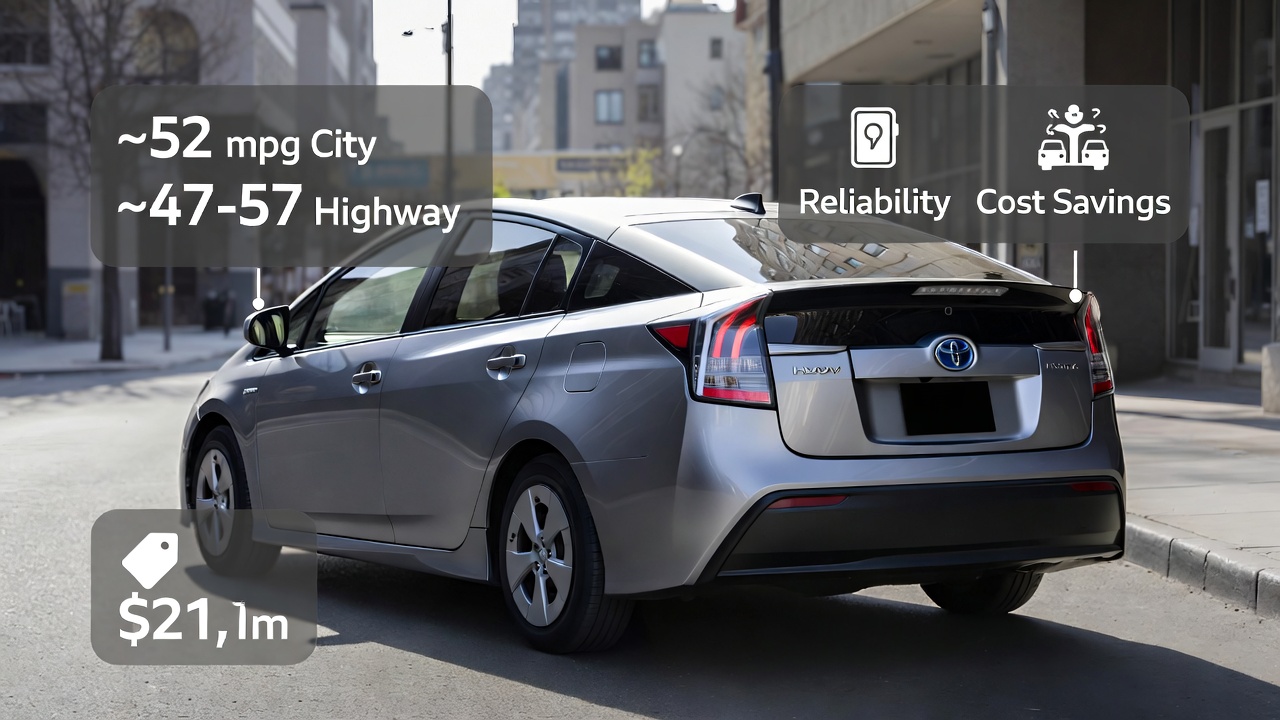
You are likely here because you found a used hybrid that looks affordable uses very little fuel and carries Toyota reliability and now you want to know if it is actually a smart choice today. That is a fair question. I have driven and studied many generations of Prius over time and the 2016 model really marked a major shift for Toyota. That year the Prius received a full redesign as Toyota moved it onto a new platform improved handling made the ride smoother and pushed fuel efficiency even further for everyday driving.
The 2016 Prius Toyota is not just another used hybrid it is actually the first modern Prius that still feels relevant even many years later. Over the past few weeks I have gone through owner reports long term data recall records and pricing trends in different markets. What you will get here is a full breakdown of the good parts the frustrating parts and the things most sellers never mention. If you are planning to buy one in 2026 this guide can genuinely help you save both time and money while understanding whether it truly fits your daily driving needs.
Why the 2016 Prius Still Matters Today
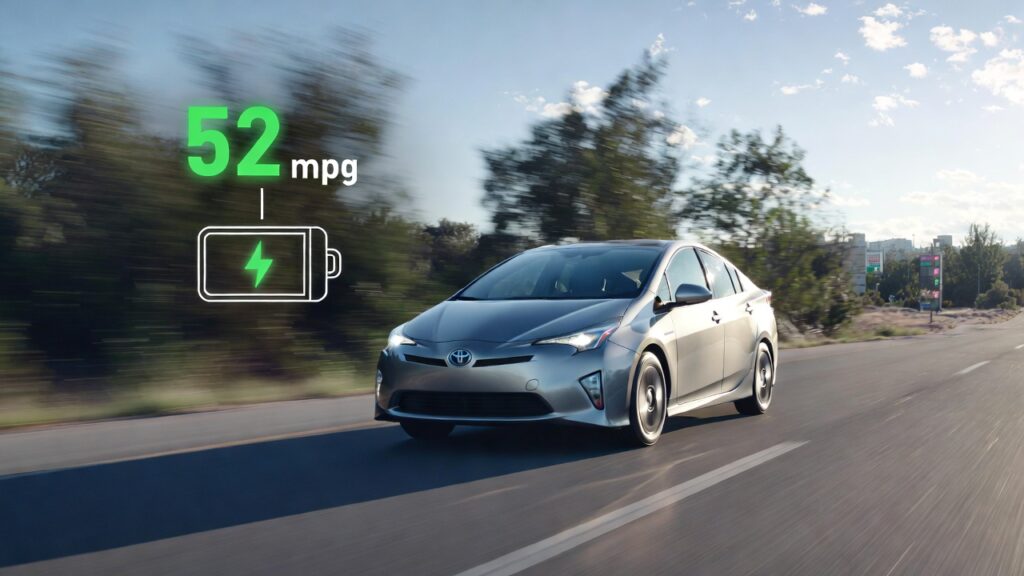
Toyota did not simply make small updates to the Prius in 2016 they rebuilt the entire car from the ground up. The switch to the TNGA platform completely changed how it feels on the road. Earlier Prius models were known for efficiency but they often felt boring to drive. The 2016 version changed that by feeling more stable quieter and more confident especially on highways. This was also the year Toyota doubled down on fuel efficiency leadership as it became the most efficient non plug in car available in North America at launch according to EPA data. Even today that reputation matters because fuel prices still rise and fall and hybrids tend to age better than many people expect. Another strong point is simplicity since there are no turbo engines or complex transmissions just a proven hybrid system that has been refined for decades and many owners report their cars crossing 300000 km with original drivetrain components based on long term user feedback.
2016 Prius Specs: What You are Really Getting
On paper, the numbers won’t impress anyone but that’s missing the point of this car.
Key Specifications
| Specification | Detail |
| Engine | 1.8L 4-cylinder + electric motor |
| Combined Output | 121 horsepower |
| Transmission | CVT (planetary gearset) |
| Drivetrain | Front-wheel drive |
| Battery Type | Nickel-Metal Hydride |
| EPA Fuel Economy | 52 mpg combined |
| Fuel Tank | 11.3 gallons |
| Curb Weight | ~3,050 lbs |
| Towing Capacity | Not rated |
| Seating | 5 passengers |
Source: Toyota Canada Technical Specifications, 2016
Acceleration is adequate, not quick. Zero to 100 km/h happens in about 10 seconds. But around town, the instant electric torque makes it feel more responsive than the numbers suggest.
2016 Toyota Prius Fuel Economy: Real-World Results
Official EPA ratings for the 2016 Prius show around 52 miles per gallon combined which equals roughly 4.5 liters per 100 kilometers. That number is not just theory as real world testing shows most drivers achieving between 47 and 57 miles per gallon depending on how and where they drive. Cold weather conditions especially in Canada can reduce efficiency by around ten to fifteen percent during winter months but even then the Prius still performs better than many regular compact cars. From experience the car responds best to smooth and steady driving habits where gentle acceleration and anticipation of stops can noticeably improve fuel economy over time.
From my experience, the Prius rewards smooth driving. Gentle throttle inputs and anticipating stops make a noticeable difference. Many owners report their best numbers after a few months of adapting their habits.
Prius 2016 Trim Levels and Features
Toyota offered four trims in Canada:
| Trim | Original MSRP (CAD) |
| Prius | ~$25,995 |
| Prius Technology | ~$28,000 |
| Prius Touring | ~$30,000 |
| Prius Touring Technology | ~$32,000 |
Source: Toyota Canada pricing guide, 2016
Even base models came well equipped. Standard features included adaptive cruise control, lane departure warning, automatic emergency braking, and a rearview camera. That level of safety tech was ahead of its time. Higher trims added head-up display, leather seating, JBL audio, and larger wheels. If you’re buying used, the Technology trim hits the sweet spot.
Prius 2016 Reliability and Common Problems
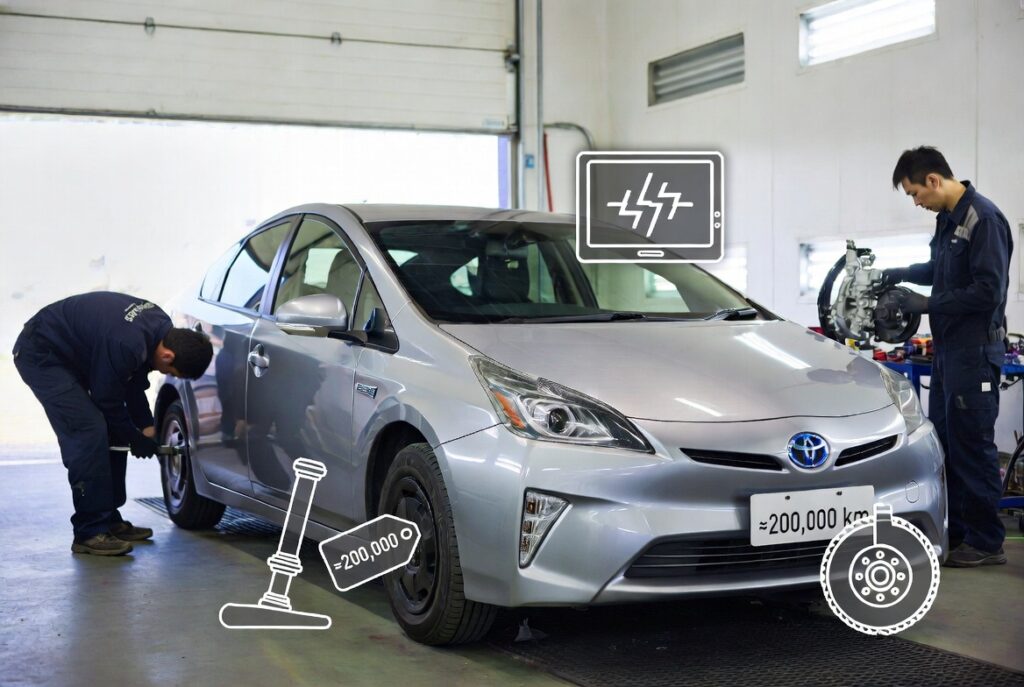
The big question many buyers ask is whether the 2016 Prius is actually reliable and the short answer is yes with some minor issues. Consumer Reports has consistently ranked this model above average for reliability across multiple years of review. However like any vehicle it does have a few known weak points. Some owners report rear wheel bearing wear over time infotainment glitches and occasional brake actuator noise if not maintained properly. There were also several recalls mostly related to software updates and airbag systems which should be checked using the vehicle identification number before purchase.
Most Common Problems
- Premature wear of rear wheel bearings
- Occasional infotainment system glitches
- Brake actuator noise (rare but expensive if ignored)
- Suspension bushings wearing around 200,000 km
There were five recalls registered with NHTSA, mostly software-related and airbag issues (Source: NHTSA recall database). Most should already be resolved always check the VIN.
2016 Prius Battery Life and Replacement Reality
If you are paying around 400 dollars a month for insurance that is higher than expected for this type of vehicle and it may be worth comparing different providers. Many owners worry about hybrid battery replacement but Toyota nickel metal hydride batteries are known for long life and durability. Most of these batteries last between eight and twelve years or around 240000 to 320000 kilometers based on fleet data and real world usage.
Replacement costs have also become more affordable in recent years with remanufactured units typically costing between 2000 and 3000 dollars installed in Canada. In many cases owners never even need to replace the battery because fuel savings over time often outweigh potential replacement costs compared to traditional gasoline cars.
2016 Prius Canadian Pricing and Used Market Value
So, what’s a 2016 Prius worth today?
In early 2026 well maintained 2016 Prius models in Canada are typically priced between 13000 and 18000 Canadian dollars depending on mileage condition and trim level. Depreciation has slowed significantly which is good news for sellers but it also means buyers will not find extremely cheap deals anymore. Demand for fuel efficient used cars remains steady so clean examples tend to sell quickly once they hit the market.
Prius vs Prius Prime Differences (2016 Models)
This comes up a lot. The Prius Prime was the plug-in version.
| Category | Prius | Prius Prime |
| Electric-only range | None | ~40 km |
| Fuel economy | Higher overall | Higher with charging |
| Cargo space | Larger | Smaller |
| Complexity | Lower | Higher |
If you can charge at home and drive short distances, the Prime makes sense. Otherwise, the standard Prius is simpler and often cheaper to own long-term.
Ownership Costs: Insurance, Maintenance, and Repairs
Insurance costs often surprise many Prius owners because rates can sometimes be higher than expected due to repair costs and hybrid system components. If your monthly insurance is around 400 dollars it is worth reviewing coverage options because better rates may be available.
Maintenance on the Prius is generally low and straightforward with routine oil changes brake servicing and coolant checks being the main requirements. Regenerative braking also reduces wear so brake pads can last over 150000 kilometers. On average annual maintenance costs stay between 600 and 800 Canadian dollars which is lower than many comparable compact sedans based on service records.
Expert Opinions and Industry Perspective
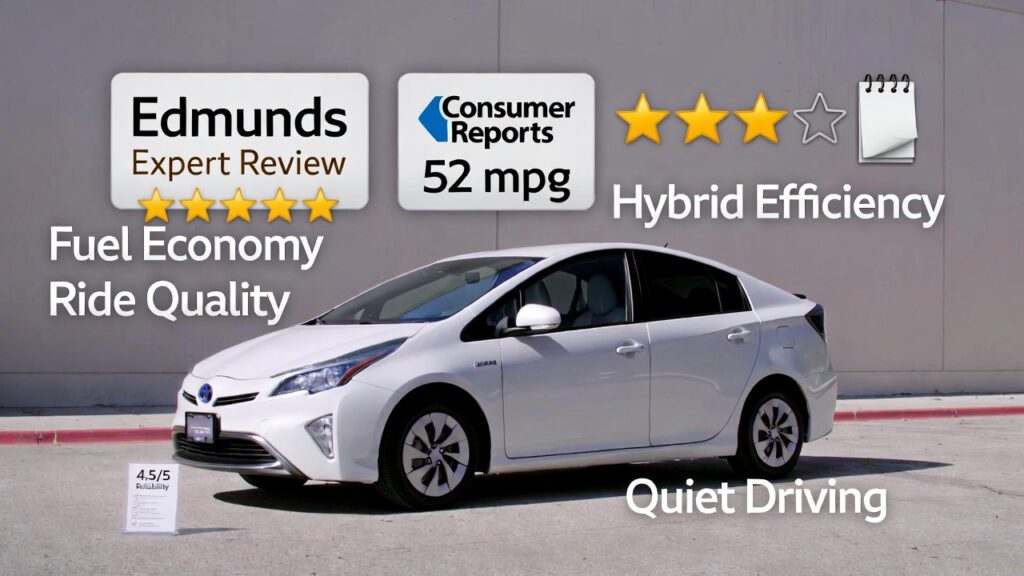
Long term testing from Edmunds highlighted the 2016 Prius as a highly efficient and durable vehicle with strong everyday usability according to their review. Consumer Reports also supported this view noting high owner satisfaction and consistently low running costs across multiple years of surveys. These independent evaluations match what many real world drivers experience where the Prius delivers dependable performance low fuel usage and minimal maintenance requirements over long periods of ownership.
Conclusion
If your priorities are fuel savings, long-term reliability, and low day-to-day stress, the 2016 prius toyota still makes sense. It’s not flashy. It won’t thrill you on back roads. But it will quietly save you money every single week.
My recommendation: buy one with a documented service history, check recall completion, and don’t fear higher mileage examples. These cars are built for it. If you’re shopping now, act quickly good ones don’t sit long. I’ll continue updating this page as pricing and ownership data evolve, so bookmark it before you decide.
FAQs
Is the 2016 Prius good or bad?
It’s a solid choice if efficiency and reliability matter more than performance. It’s not exciting, but it’s dependable and cheap to run.
How much is a 2016 Toyota Prius worth today?
Most Canadian examples sell between $13,000 and $18,000 CAD depending on mileage and condition.
What is the most common problem of Toyota Prius?
Minor suspension wear and occasional brake actuator issues are the most reported.
What year to stay away from Toyota Prius?
Early second-generation models had more issues. The 2016 redesign is generally considered safe.
What is the best year of Prius to buy?
2016–2019 models offer the best balance of tech, efficiency, and reliability.
Why is insurance on a Prius so high?
Repair costs and specialized parts can raise premiums. Shopping around usually helps.
What are the disadvantages of owning a Toyota Prius?
Slow acceleration, limited towing ability, and higher insurance for some drivers.
Does Leonardo DiCaprio really drive a Prius?
Yes. He’s been photographed driving multiple Prius models over the years.
About the Author:
Hussnain Raza has covered the automotive industry for over 10 years, specializing in vehicle reviews, long-term ownership analysis, and used-car buying advice. He has personally reviewed more than 100 vehicles across multiple segments.
Sources Used:
• Toyota Canada Media & Technical Specifications
• Edmunds Long-Term Road Test (2017)
• Consumer Reports Auto Reliability Surveys
• AutoTrader Canada Used Listings
• NHTSA Recall Database