

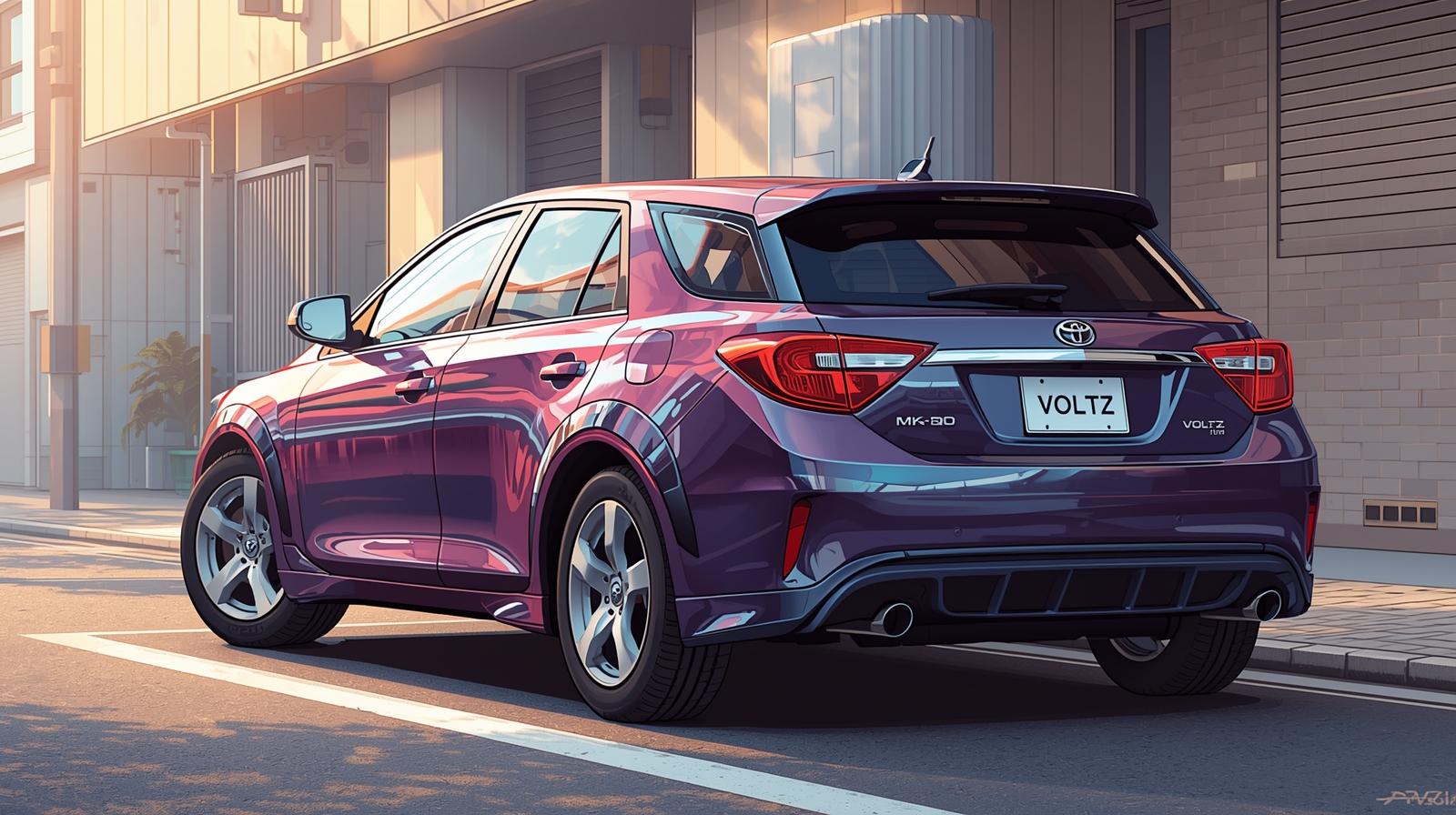
The Toyota Voltz still stands out as one of the strangest and most interesting Japanese domestic market vehicles ever released. Toyota built it from 2002 to 2004 using the trusted Corolla platform. Yet the car mixed hatchback practicality with crossover styling and a strong American inspired appearance that felt very different for its time.
In this guide you will learn how the Toyota Voltz came from a GM and Toyota partnership and why its unusual JDM import history still attracts attention today. The article also covers the design details engine setup styling collector value pricing and the reasons many enthusiasts now view it as one of the more memorable compact crossovers from the early 2000s.
Toyota Voltz Origins and Automotive Context
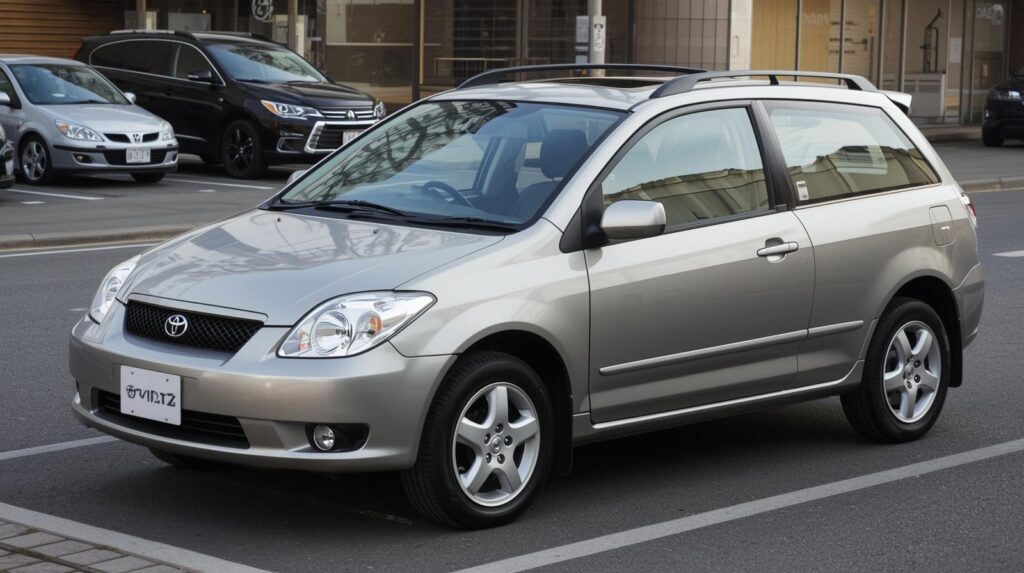
The toyota voltz was born during a period when automakers chased efficiency through cooperation. In the early 2000s Toyota and General Motors shared factories, engineering, and ideas. This collaboration created several vehicles that challenged brand identity, and the Voltz stood out as one of the boldest results.
Toyota released the Voltz only in Japan between 2002 and 2004. The vehicle targeted younger drivers who wanted a sporty look without sacrificing everyday usability. Built in the United States and exported to Japan, it reversed the usual Japanese domestic market flow. This unusual production route already made the Voltz a niche vehicle from day one. Automotive historians now see it as a snapshot of early 2000s experimentation, when manufacturers searched for the next big segment before compact crossovers dominated global roads.
GM and Toyota Collaboration Background
The partnership between GM and Toyota mainly focused on reducing costs and speeding up vehicle development during the early 2000s. General Motors supplied the factories and platform engineering while Toyota concentrated on quality control and adjustments for Japanese customers. That teamwork eventually created the Pontiac Vibe Toyota Matrix and Toyota Voltz. Even though each model had different branding and small tuning differences they all shared the same basic mechanical structure underneath.
This collaboration allowed Toyota to test American inspired styling without risking its core lineup. The Voltz became a safe experiment that later transformed into a rare Toyota curiosity. For collectors, that collaboration adds historical value because it represents a moment when two automotive giants tried to blend philosophies.
Design Philosophy and Styling Choices
From the moment it appeared the design of the Toyota Voltz created mixed reactions among buyers. The sharp body lines wide wheel arches and aggressive front styling looked very different from the softer Toyota designs people were used to seeing at that time. Many Japanese drivers thought the vehicle felt too bold and too foreign. Yet today that exact styling is one of the biggest reasons enthusiasts still search for the Voltz.
The Voltz sits lower than a traditional SUV but taller than a normal hatchback. That stance helped define the early crossover category before the term became mainstream. Inside, the cabin layout mirrored American preferences with simple controls and a sporty dashboard. Today, the design feels retro and honest, lacking the overstyled complexity of modern vehicles.
Weird Wheels and Visual Identity
One of the most discussed features online involves the Voltz wheel design. Enthusiasts on Reddit frequently mention the unusual wheel patterns, often calling them weird wheels with affection. These factory alloys gave the car a concept vehicle appearance that aged surprisingly well.
That visual identity helped the Voltz stand out even when parked next to newer crossovers. For collectors, originality matters, and stock Voltz wheels now add value. This small design detail plays a large role in why the car feels like a collector car rather than a forgotten commuter.
Platform Engineering and Mechanical Layout
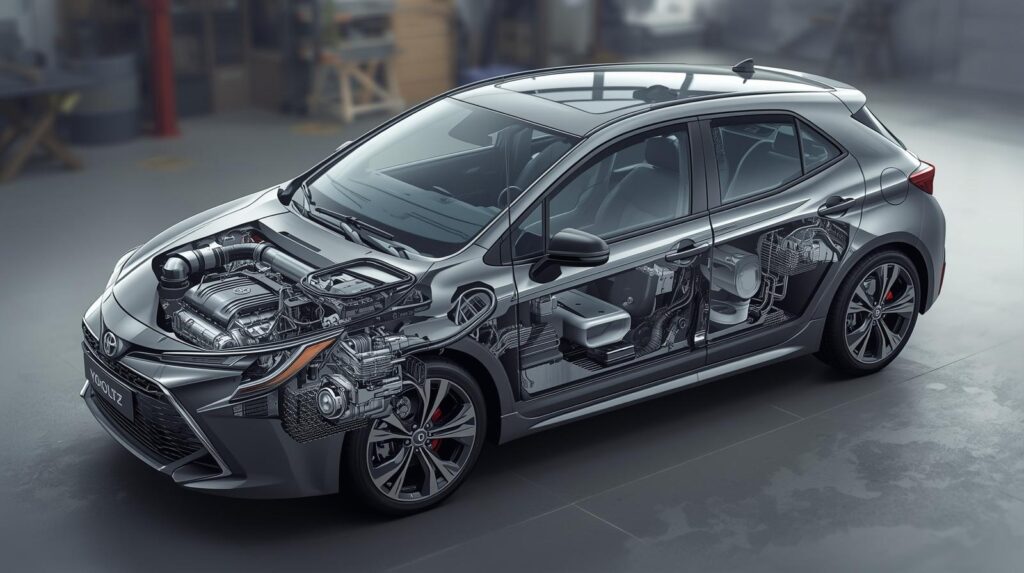
Under the bold styling, the toyota voltz relied on proven engineering. The vehicle shared the Corolla platform, a foundation known globally for durability. This decision gave buyers mechanical peace of mind even when the design felt risky.
Front wheel drive served as standard, with all wheel drive available on select trims. The suspension favored comfort with enough firmness to handle spirited driving. That balance made the Voltz suitable for city use while handling rougher roads with confidence. Mechanical simplicity remains one of its biggest advantages today.
Engine Options and Performance
Toyota gave the Voltz two engine choices depending on what buyers wanted from the car. The 1.8 liter four cylinder worked well for drivers focused on fuel economy while the larger 2.4 liter engine provided noticeably better acceleration. Neither option was designed to be extremely sporty because Toyota focused more on long term reliability and dependable everyday driving.
Performance numbers never aimed to impress sports car buyers. Instead, the Voltz focused on everyday usability. That approach aged well because owners today value dependable engines when importing or restoring older vehicles. Many examples still run smoothly after two decades, reinforcing Toyota reputation even within a rebadged model.
Toyota Voltz Versus Its Siblings
The toyota voltz shared DNA with the Pontiac Vibe and Toyota Matrix. However, each sibling served a different audience. The Matrix targeted global Toyota customers, while the Vibe appealed to American buyers through Pontiac branding.
The Voltz stood apart because it targeted Japan with American design language. That contrast made it rare and misunderstood. Today, that difference fuels collector interest. Buyers often prefer the Voltz because it feels more exclusive than the widely sold Matrix.
Comparison Table
| Model | Market | Drive Orientation | Body Style | Production Years |
| Toyota Voltz | Japan | Right-hand drive | Crossover hatchback | 2002–2004 |
| Toyota Matrix | Global | Left-hand drive | Hatchback | 2003–2013 |
| Pontiac Vibe | North America | Left-hand drive | Hatchback | 2003–2010 |
Japanese Domestic Market Reception
Japanese buyers struggled to connect with the toyota voltz. The styling felt unfamiliar, and the price competed with more traditional Toyota models. Sales remained modest, leading to its discontinuation after only two years.
Despite limited sales, the Voltz earned respect for build quality. Owners praised reliability and practicality. That positive ownership experience later fueled secondhand demand when enthusiasts rediscovered the model years later.
Why Sales Fell Short
Market timing played a major role. The crossover segment had not fully matured in Japan during the early 2000s. Buyers preferred compact sedans or traditional wagons.
Additionally, the American influenced styling clashed with conservative tastes. What once felt strange now feels refreshing, proving that the Voltz simply arrived too early.
Modern Collector Appeal and Resale Value
These days the Toyota Voltz has started gaining attention again among import car enthusiasts and collectors. Many buyers now spend time searching for clean well maintained examples because interest in unusual hatchbacks and rare Toyota models keeps growing. That increase in demand has slowly pushed resale prices much higher than many people expected a few years ago.
Collectors appreciate the Voltz because it offers reliability with uniqueness. It stands out at car meets without demanding exotic maintenance costs. That balance makes it attractive to first time collectors and seasoned enthusiasts alike.
Pricing Table
| Condition | Estimated Price Range |
| Average condition | 4,000–6,000 USD |
| Good condition | 6,000–8,000 USD |
| Excellent condition | 9,000–12,000 USD |
Specifications Overview
| Specification | Detail |
| Engine options | 1.8L and 2.4L petrol |
| Transmission | Manual and automatic |
| Drivetrain | Front-wheel drive, all-wheel drive |
| Seating capacity | Five passengers |
| Production years | 2002–2004 |
Real World Ownership Experiences
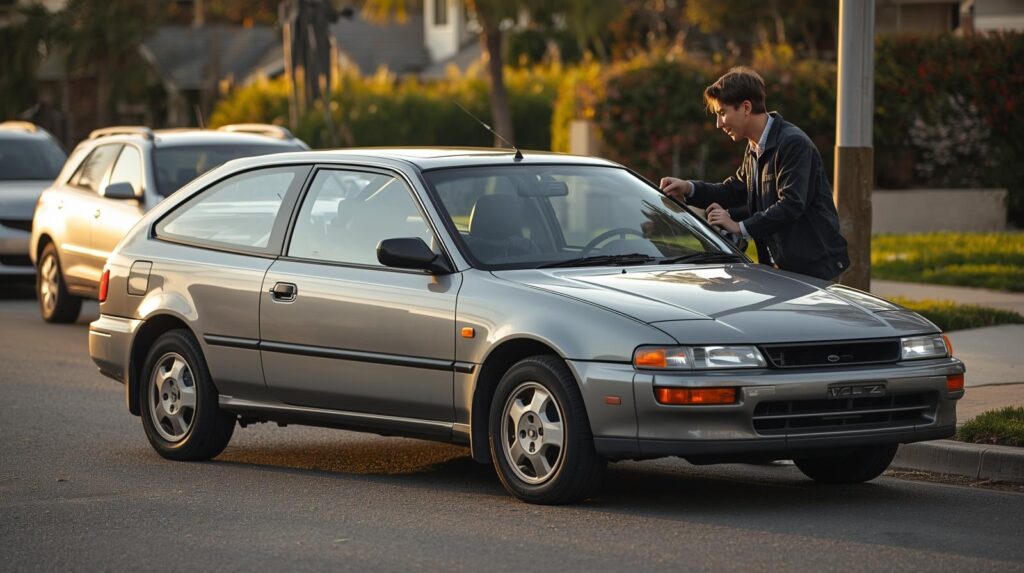
Owners often describe the Voltz as dependable and fun. Many Reddit users share stories of daily driving the car without major issues. Parts availability remains manageable due to shared components with the Matrix and Corolla.
One owner reported using the Voltz for over ten years with only routine maintenance. Stories like these strengthen its reputation as a reliable yet unusual Toyota.
Conclusion
The Toyota Voltz feels like one of those unusual automotive experiments that people only truly appreciated years later. Toyota created it during a time when manufacturers were willing to take bigger risks and combine different design ideas. Even though sales stayed low the car eventually became a rare and interesting Toyota instead of being remembered as a failure. Today collectors import fans and enthusiasts appreciate the Voltz because it offers something genuinely different.
If you search for a unique crossover with real history and dependable engineering, the Voltz deserves serious consideration. Explore listings, join enthusiast forums, and experience a Toyota that broke the rules before the world caught up.
FAQs
Why was Toyota Voltz discontinued?
The Toyota Voltz was discontinued due to low sales in Japan and limited market demand for its unique crossover-hatchback design.
What kind of engine is in the Toyota Voltz?
It comes with either a 1.8L or 2.4L petrol engine, offering reliability over high performance.
What is the fuel consumption of a Toyota Voltz?
The Voltz averages around 12–14 km/l depending on engine type and driving conditions.
Does the Toyota Voltz have good safety ratings?
It had basic safety features for the early 2000s but no modern crash test ratings exist.
What are the common complaints about the Vibe?
Owners report minor electronic issues and suspension wear, though the engine remains reliable.
Which Toyota is best for fuel consumption?
Compact models like Toyota Prius or Toyota Corolla generally provide the best fuel efficiency.
Which car has 30 kmpl mileage?
Hybrid models such as the Toyota Prius or small engine variants of the Toyota Aqua achieve near 30 kmpl.
What Toyota car has the least problems?
Models built on the Corolla platform, like Corolla Altis and Toyota Voltz, have minimal mechanical issues when maintained.