Tire Pressure Light Blinking Toyota | Causes, Meaning, Fixes & Safety Guide 2025
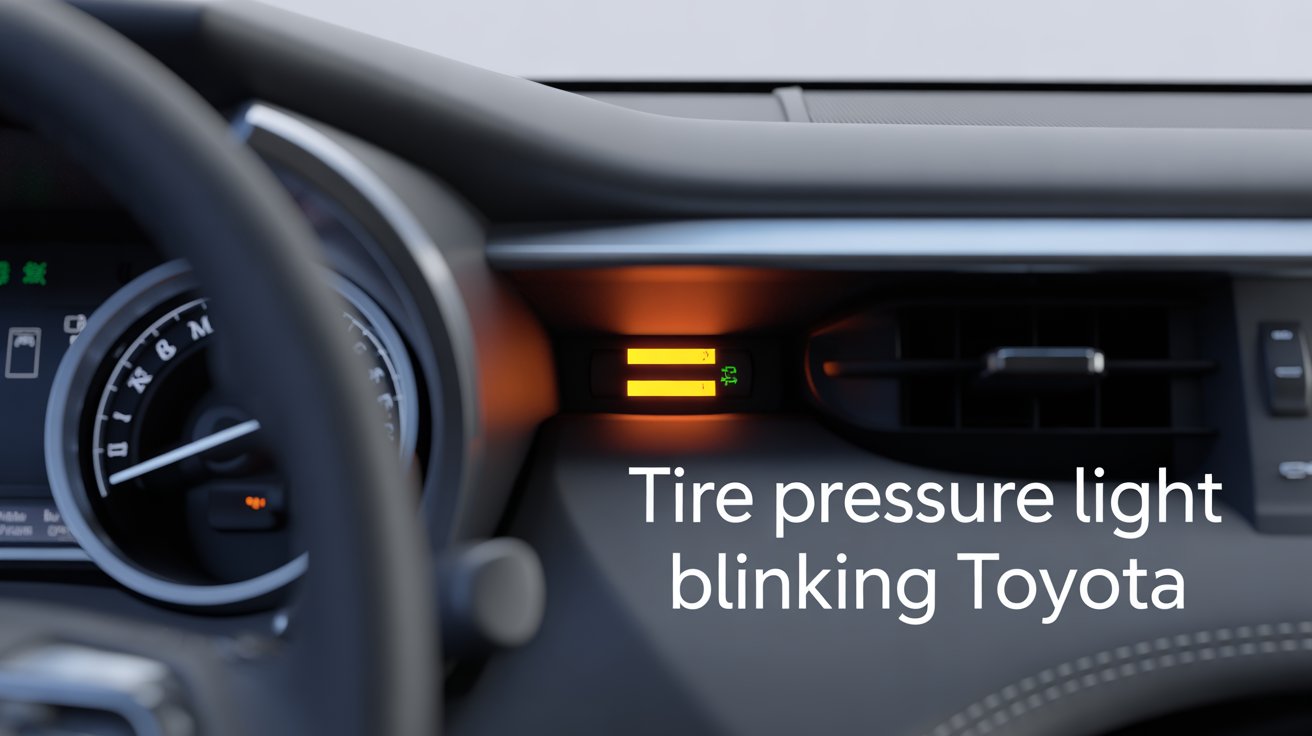
The tire pressure light blinking Toyota is a common issue that many drivers encounter, often causing confusion and concern. This warning indicates that the tire pressure sensor system is detecting a problem, which could range from a low tire reading to a sensor malfunction. Unlike a solid light that usually signals low air, a blinking light points to a potential system error that requires attention.
Understanding the meaning behind this alert is crucial for tire maintenance tips and overall vehicle safety. Drivers should learn how to perform a proper TPMS reset procedure, monitor tire air pressure levels, and know when professional help is necessary to prevent unsafe driving.
What Does a Blinking Tire Pressure Light Mean on a Toyota?
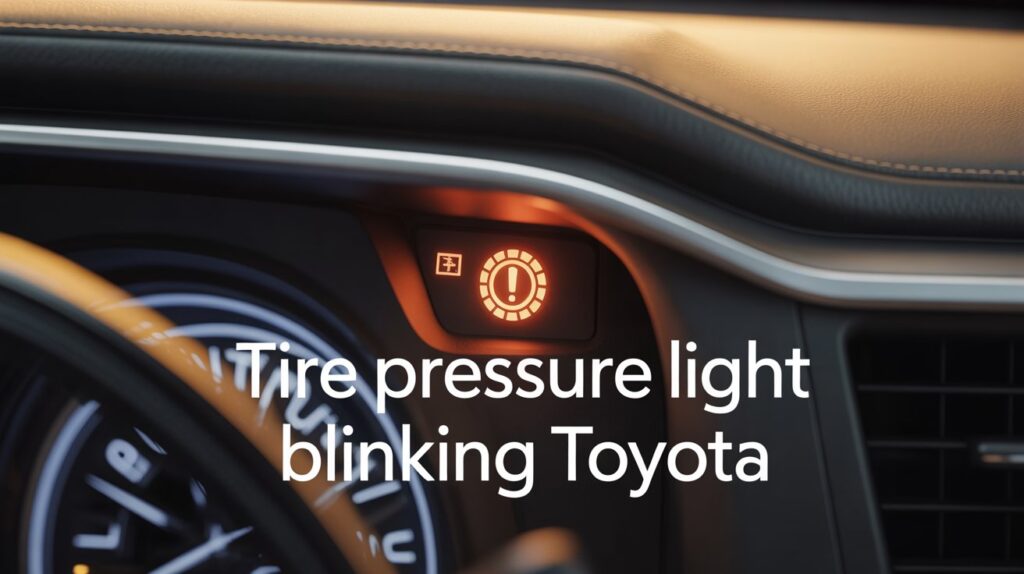
A Tire pressure light blinking on your Toyota usually signals a system problem, not just low air. This behavior means the tire pressure sensor system is struggling to communicate correctly. Many drivers assume it is only about air, which leads to confusion and delays.
Toyota uses a warning light blinking pattern to separate pressure alerts from system faults. A normal low tire pressure warning stays solid, but blinking points to TPMS errors. This design protects you, yet many owners misread dashboard warning lights Toyota, causing unnecessary worry.
Blinking vs Solid Tire Pressure Light Key Differences Explained
A solid check tire pressure light means one or more tires fall below safe tire air pressure levels. This usually relates to normal pressure loss or seasonal temperature changes, especially during winter mornings.
A blinking vs solid TPMS light pattern matters. Blinking at startup, then turning solid, often confirms sensor failure. Blinking only during driving may point to signal issues. These patterns guide accurate diagnosis instead of guessing.
How the Toyota TPMS System Works (Simple but Technical)
Toyota vehicles use direct sensors mounted inside each wheel. Each Toyota tire pressure sensor reads air pressure and sends data wirelessly to the car computer. This entire setup is called the tire pressure sensor system, designed for real-time safety monitoring.
Every sensor runs on a sealed battery. When batteries weaken, signals drop. The tire pressure monitoring system then triggers a warning light blinking pattern. Toyota systems are strict, so even small communication errors activate alerts faster than other brands.
Most Common Reasons the Tire Pressure Light Is Blinking on Toyota
A blinking Tire pressure light usually points to specific sensor or system issues rather than low air alone. Identifying the exact cause helps prevent unsafe driving and unnecessary repairs.
TPMS Sensor Battery Failure
Most sensor batteries last six to ten years. When they weaken, pressure readings appear normal, yet the Tire pressure light blinks. This mismatch explains why drivers feel confused even after using tire refill recommendations correctly.
Faulty or Damaged TPMS Sensor
Sensors can crack during tire changes or corrode over time. A damaged Toyota tire pressure sensor fails silently. The car notices missing data and responds with a warning light blinking, even if tires look fine.
TPMS System Not Relearned After Tire Rotation or Replacement
Toyota requires relearning sensor positions after rotations. Many shops skip this step. As a result, the TPMS reset procedure remains incomplete, and the check tire pressure light keeps blinking unexpectedly.
Communication or Signal Issues
Cold weather weakens sensor batteries. Cold weather and tire pressure changes also disrupt radio signals. This causes intermittent blinking, especially after parking overnight in low temperatures.
TPMS Control Module or Wiring Problems
Rarely, wiring faults or module failures trigger blinking. These cases often show other dashboard warning lights Toyota as well. Professional diagnosis becomes essential when basic checks fail.
Is It Safe to Drive When the Tire Pressure Light Is Blinking?
Driving with a blinking light is usually safe short-term, but risky long-term. You may miss real pressure loss because the system cannot warn you. This affects tire inflation and safety, especially at highway speeds.
If the light blinks continuously, avoid long trips. Ignoring it may hide a flat tire indicator situation. When handling feels unstable, stop driving and inspect immediately.
Step-by-Step Diagnosis: What to Do First
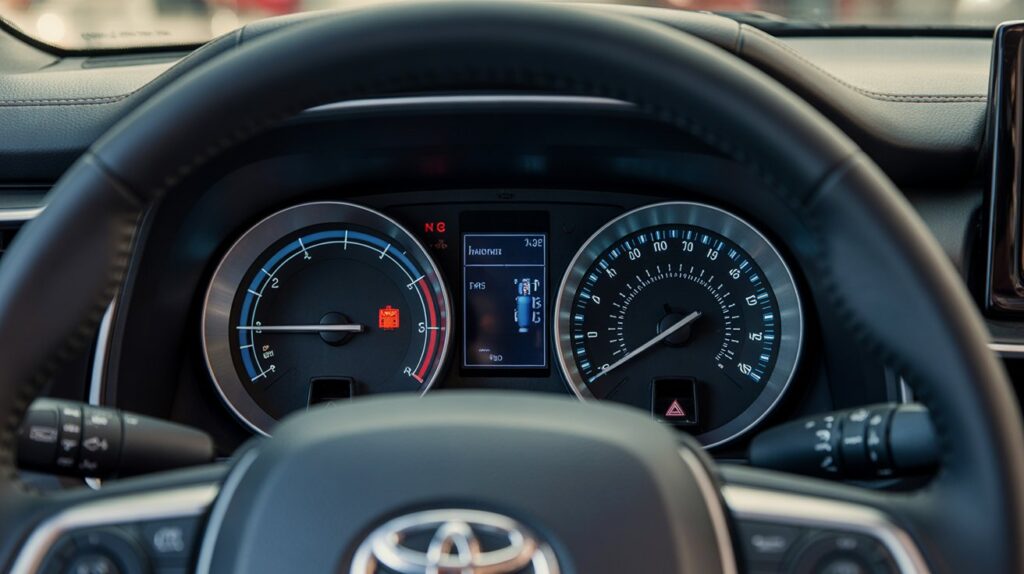
Following a structured diagnosis helps identify the root cause of a blinking Tire pressure light quickly. Checking systematically saves time, prevents mistakes, and ensures safe tire air pressure levels.
Step 1: Manually Check Tire Pressure
Dashboard readings are not enough. Always verify using using a tire gauge. Compare readings with the sticker inside the driver door to ensure safe tire air pressure levels.
Step 2: Inspect Tires and Valve Stems
Look closely for cracks, bent valves, or corrosion. Proper tire inspection often reveals hidden sensor damage missed during routine checks.
Step 3: Observe Light Behavior Patterns
Note when blinking starts and stops. Startup blinking usually confirms sensor battery failure. Continuous blinking suggests communication problems within the tire pressure sensor system.
Step 4: Scan for TPMS Error Codes
OBD scanners reveal exact faults. Codes help explain why tire pressure light won’t turn off, saving time and avoiding unnecessary repairs.
How to Reset the Tire Pressure Light on a Toyota
Resetting the blinking Tire pressure light ensures the TPMS reset procedure completes correctly and prevents false alerts. Proper steps help the system recognize accurate tire air pressure levels.
Reset Using the TPMS Button
The reset button sits below the dashboard on many models. Follow the correct ignition sequence carefully. Skipping steps causes the TPMS reset procedure to fail silently.
Reset Through Driving Relearn Procedure
Some Toyotas relearn automatically after driving above 40 mph for 15 minutes. Patience matters here. Stopping early prevents the Toyota TPMS reset from completing.
Reset Using a Diagnostic Scan Tool
Certain models require professional tools. In these cases, visiting a trusted shop or Toyota service center Orlando ensures correct programming without guesswork.
Why the Light Keeps Blinking After Reset
A reset does not fix dead batteries. If blinking returns, sensor replacement becomes unavoidable. Mixing old and new sensors often confuses the tire pressure sensor system.
Aftermarket sensors sometimes use incompatible frequencies. This causes repeated blinking, even after multiple reset attempts. Proper sensor matching prevents this issue.
Toyota Models Most Affected by Blinking TPMS Lights
Corolla and Camry models commonly show battery-related blinking after six years. RAV4 and Highlander often experience relearn issues after tire rotations.
Tacoma and 4Runner models face more sensor damage due to off-road use. These patterns help predict problems without overgeneralizing across all Toyotas.
Cost to Fix a Blinking Tire Pressure Light on Toyota
Understanding the costs behind a blinking Tire pressure light helps you plan repairs wisely and avoid surprises at the shop. Expense varies by part type, labor, and whether you choose OEM or aftermarket Toyota tire pressure sensor options.
TPMS Sensor Replacement Cost
OEM sensors cost more but last longer. Aftermarket options cost less but vary in reliability. Labor costs depend on wheel removal complexity.
| Repair Item | Average Cost |
| OEM Sensor | $80–$120 |
| Aftermarket Sensor | $40–$70 |
| Labor | $20–$50 |
Diagnostic and Reset Costs
Dealership diagnostics cost more. Independent shops often reset for free with tire service. Knowing this avoids unnecessary charges.
Can You Drive Without Fixing It?
Legally, inspections may fail with active warnings. Long-term neglect risks unsafe tire inflation and safety, especially during emergency braking.
Common Mistakes Toyota Owners Make
Many drivers ignore blinking lights assuming false alarms. Others replace tires without relearning sensors. Some reset repeatedly without fixing the root cause.
Using incompatible sensors creates endless frustration. Understanding how to fix tire pressure light Toyota starts with avoiding these errors.
How to Prevent TPMS Issues in the Future
Replace sensors proactively after six years. Always request relearn after rotations. Check pressures monthly, especially during seasonal temperature changes.
Follow smart tire maintenance tips and keep a gauge handy. Preventive care keeps the Tire pressure light off and driving stress-free.
Conlusion
A blinking Tire pressure light on your Toyota signals a tire pressure sensor system issue rather than just low air. It may indicate a weak sensor battery, damaged sensor, or communication problem. Understanding the blinking patterns helps prevent unsafe driving and costly repairs.
For action, first manually check tire air pressure levels and inspect tires for damage. Attempt a TPMS reset procedure if the system allows. If blinking continues, replace faulty sensors or visit a Toyota service center Orlando. In 2025, the best advice is to combine proactive tire maintenance tips with careful monitoring of dashboard warning lights Toyota to ensure safety and avoid repeated alerts.
FAQs
Can I drive with my tire pressure light blinking?
You can drive short distances cautiously, but it is unsafe for long trips because the tire pressure sensor system may not detect real pressure loss.
How to fix blinking tire pressure?
Check tire air pressure levels, inspect sensors, and perform the TPMS reset procedure. Replace faulty sensors if needed.
Can I still drive if my TPMS sensor is bad?
Short drives are possible, but a faulty sensor prevents the system from warning you about low pressure, risking unsafe tire inflation and safety.
How much should it cost to replace a tire pressure sensor?
OEM sensors cost around $80–$120, aftermarket $40–$70, plus labor typically $20–$50.
How long do Toyota TPMS batteries last?
Sensor batteries usually last six to ten years depending on usage and environmental conditions.