

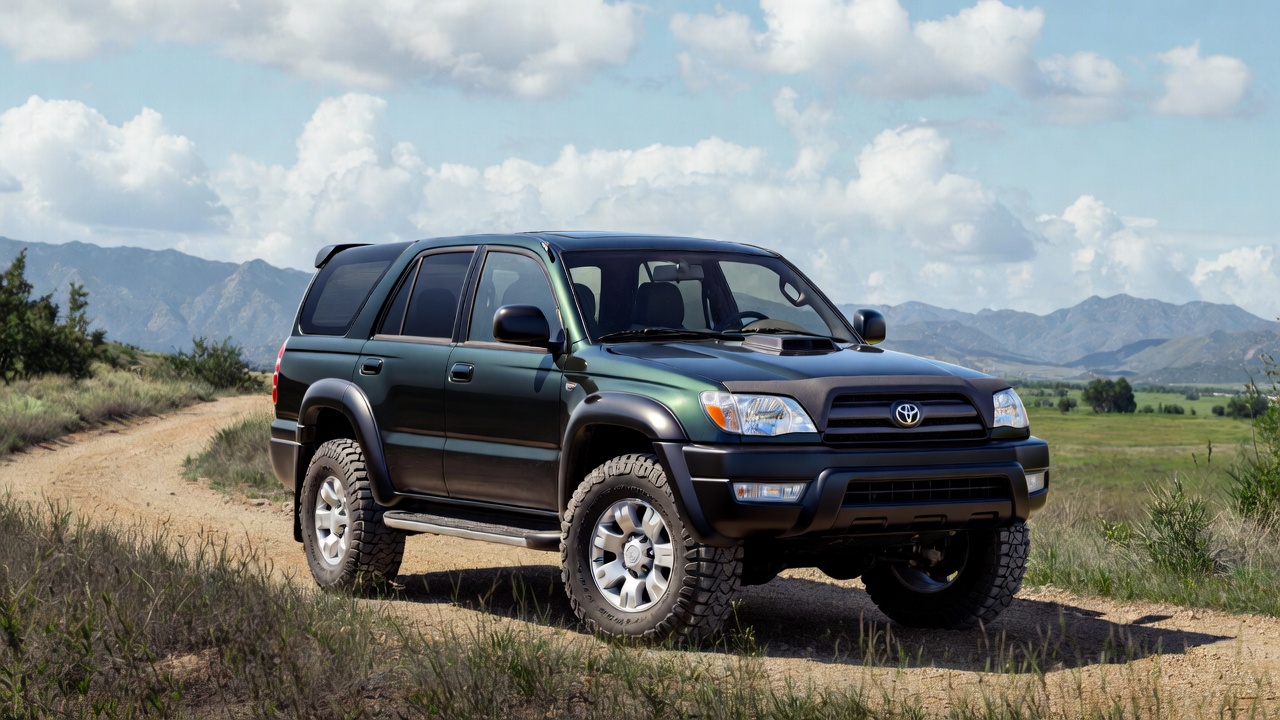
Older SUVs have a reputation for toughness, but not all of them age well. Some become expensive headaches while others keep running for decades. That is why many used SUV buyers still look at the 00 toyota 4runner when searching for a reliable, body-on-frame vehicle.
The Toyota 4Runner 00 model belongs to the highly respected third generation lineup. Even more than two decades later, it continues to attract off road enthusiasts and practical buyers who want durability over flashy technology. So the real question is simple: is the 2000 Toyota 4Runner still worth buying today?
Overview of the 2000 Toyota 4Runner
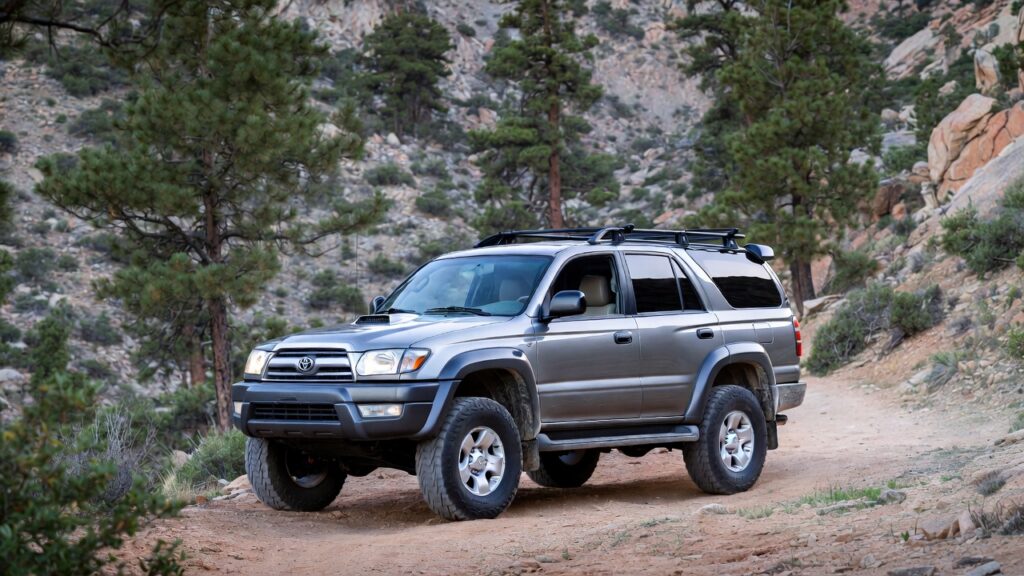
The 2000 Toyota 4Runner sits near the end of the third generation, which ran from 1996 to 2002. Many Toyota fans consider this generation one of the most durable SUVs the company ever built. It uses a traditional body-on-frame construction similar to a pickup truck. That design gives the vehicle strong off road capability and long-term durability. It also explains why so many examples are still on the road after more than twenty years.
Toyota offered the SUV with either rear-wheel drive or four-wheel drive. The available 4WD system helped make it a popular choice for outdoor drivers and off road enthusiasts. Another reason buyers still search for the 00 toyota 4runner is reliability. Toyota built this model during a time when simplicity and durability came before complicated electronics. Fewer electronics often means fewer long-term problems.
Below is a quick look at the key specifications.
| Specification | Details |
| Engine | 2.7L I4 or 3.4L V6 |
| Horsepower | 150 hp (I4) / 183 hp (V6) |
| Torque | 177 lb-ft / 217 lb-ft |
| MPG | 16–18 city / 19–21 highway |
| Towing | Up to 5,000 lbs |
| Transmission | 5-speed manual or 4-speed automatic |
The third generation platform also earned a reputation for strong off road capability. Solid ground clearance, durable suspension, and a reliable 4WD system helped it perform well on rough terrain. Many buyers searching for 3rd gen 4Runner specs today are hoping to find a used SUV that can handle trails while remaining dependable for daily driving.
2000 Toyota 4Runner Engine and Performance
Toyota kept the engine lineup simple for the 2000 model year. Buyers could choose between a four-cylinder engine focused on efficiency or a stronger V6 designed for better performance.
Engine Options
The base engine was a 2.7-liter inline four cylinder. This engine produced around 150 horsepower and 177 pound-feet of torque.
While it was reliable, most buyers preferred the optional Toyota 4Runner V6 engine. The 3.4-liter V6 produced about 183 horsepower and 217 pound-feet of torque. It delivered noticeably stronger acceleration and better towing capability.
The Toyota 4Runner 3.4 V6 specs helped make it the most popular choice among buyers.
Horsepower and Torque
The difference between the engines becomes clear once you drive them. The four-cylinder engine works well for basic commuting but feels slow when the vehicle is fully loaded. The V6, on the other hand, provides stronger mid-range power. That extra torque makes highway merging easier and improves off road performance.
| Engine | Horsepower | Torque | MPG |
| 2.7L I4 | 150 hp | 177 lb-ft | 18 city / 21 highway |
| 3.4L V6 | 183 hp | 217 lb-ft | 16 city / 19 highway |
Most used buyers searching for a Toyota 4Runner 2000 review usually focus on the V6 model because it delivers a better overall driving experience.
Transmission Options
Toyota offered two transmission choices for the 2000 model year. A five speed manual transmission came standard with the four cylinder engine. Some V6 models also offered this manual option, which many off road drivers still prefer.
The majority of vehicles sold used a four speed automatic transmission. It was smooth, simple, and proven reliable over long periods. Toyota paired these transmissions with either rear wheel drive or the Toyota 4Runner 4WD system, depending on the trim and buyer preference.
2000 Toyota 4Runner Fuel Economy
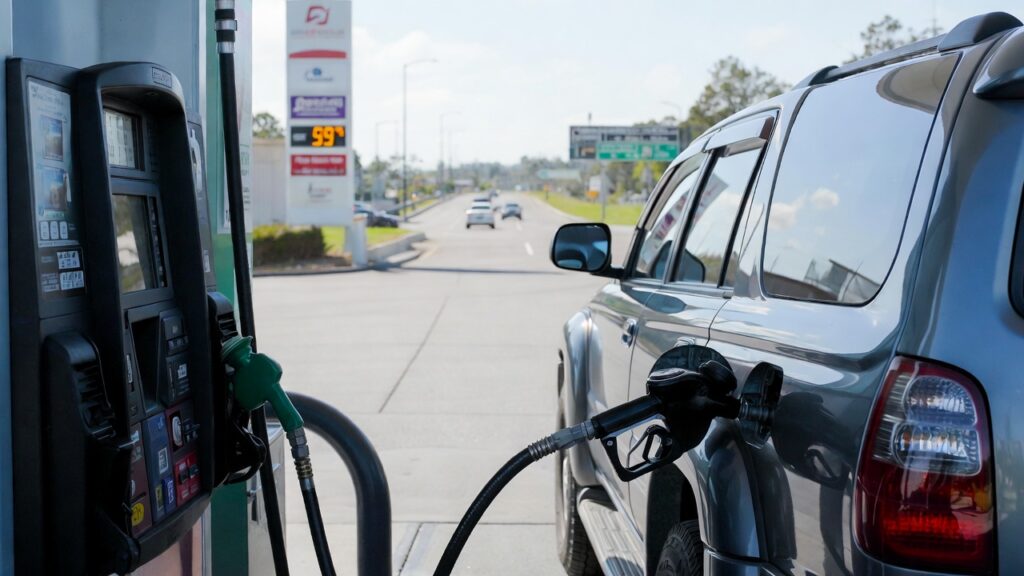
Fuel economy was never the main selling point of the 4Runner. This SUV focuses more on durability and off road ability than on efficiency.
Still, the 00 toyota 4runner mpg numbers are reasonable for a body-on-frame SUV from that era. The four cylinder version delivers about 18 miles per gallon in the city and roughly 21 miles per gallon on the highway. Those numbers are decent for drivers who mainly use the vehicle for commuting.
The V6 engine returns around 16 mpg city and 19 mpg highway. While slightly lower, most buyers accept the trade-off for the extra power. Real world fuel economy often lands between 16 and 20 mpg depending on driving style, tire size, and whether the vehicle has four wheel drive.
Owners who install larger off road tires sometimes see fuel economy drop slightly. On the other hand, drivers who keep the vehicle stock and maintain it properly usually stay close to the official ratings. Even today, many drivers consider the 4Runner fuel economy acceptable given the vehicle strength and longevity.
2000 Toyota 4Runner Towing Capacity
One advantage of the V6 model is stronger towing ability.
The maximum 2000 Toyota 4Runner towing capacity reaches about 5,000 pounds when properly equipped. That makes it capable of pulling small campers, boats, and utility trailers. Four cylinder models have a lower towing limit of around 3,500 pounds. This capacity still works for smaller loads but may struggle with heavier trailers.
Drivers planning to tow frequently usually choose the V6 model. The extra torque helps maintain speed on hills and reduces stress on the engine. Proper maintenance is also important when towing. Cooling systems, transmission fluid, and brake condition should always be checked before pulling heavy loads.
2000 Toyota 4Runner Trim Levels
Toyota kept the lineup simple with two main trims.
SR5
The SR5 trim served as the base model but still offered a solid feature list.
Standard equipment included cloth seats, air conditioning, power windows, and a basic sound system. Buyers could also add optional four wheel drive and a few convenience features. Many off road enthusiasts prefer the SR5 because it often comes with fewer luxury components and slightly lower weight.
Limited
The Limited trim focused more on comfort and upscale features.
Leather seats, automatic climate control, premium audio, and upgraded interior materials were common additions. Some Limited models also included a multi-mode four wheel drive system. Buyers comparing SR5 vs Limited 4Runner models usually decide based on priorities. The SR5 works well for rugged use, while the Limited offers a more comfortable daily driving experience.
| Trim | Engine | Key Features | Drivetrain |
| SR5 | I4 or V6 | Cloth seats, basic features | RWD or 4WD |
| Limited | V6 | Leather, premium features | RWD or 4WD |
2000 Toyota 4Runner Interior and Features
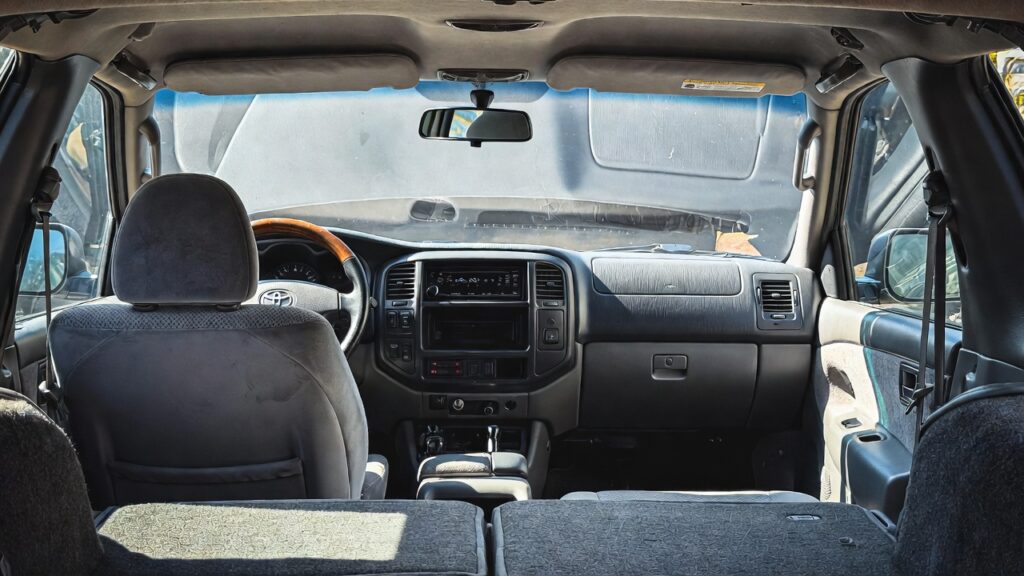
Step inside a 2000 Toyota 4Runner interior and the design feels simple by modern standards. There are fewer screens and fewer electronics than newer SUVs. That simplicity is part of the appeal. Many owners appreciate the straightforward layout and durable materials.
The SUV seats five passengers comfortably. Front seats offer good visibility and enough headroom for taller drivers. Cargo space is another strong point. With the rear seats folded down, the 4Runner provides a large and practical cargo area for camping gear, tools, or luggage.
Standard features include power accessories, cruise control, and a solid audio system for its time. Higher trims added leather upholstery and additional comfort features. While the cabin may feel dated today, the build quality holds up surprisingly well. Many well-maintained examples still have interiors in excellent condition.
2000 Toyota 4Runner Reliability
The biggest reason people search for the 00 toyota 4runner today is reliability.
The 2000 Toyota 4Runner is considered one of the most reliable midsize SUVs from its era. Many owners report vehicles lasting over 250,000 to 300,000 miles with routine maintenance. Its durable 3.4 liter V6 engine and strong body on frame design contribute to its long term reliability.
Toyota truck reliability has been well known for decades, and the third generation 4Runner helped build that reputation. Several factors contribute to its longevity. The engines are simple and proven. The transmission design is durable. The chassis is strong enough to handle rough use.
Maintenance costs are also relatively reasonable compared with many modern SUVs. Basic service such as oil changes, brakes, and suspension components remain widely available. For drivers searching for used Toyota SUV reliability, the 4Runner often appears near the top of the list.
Common Problems With the 2000 Toyota 4Runner
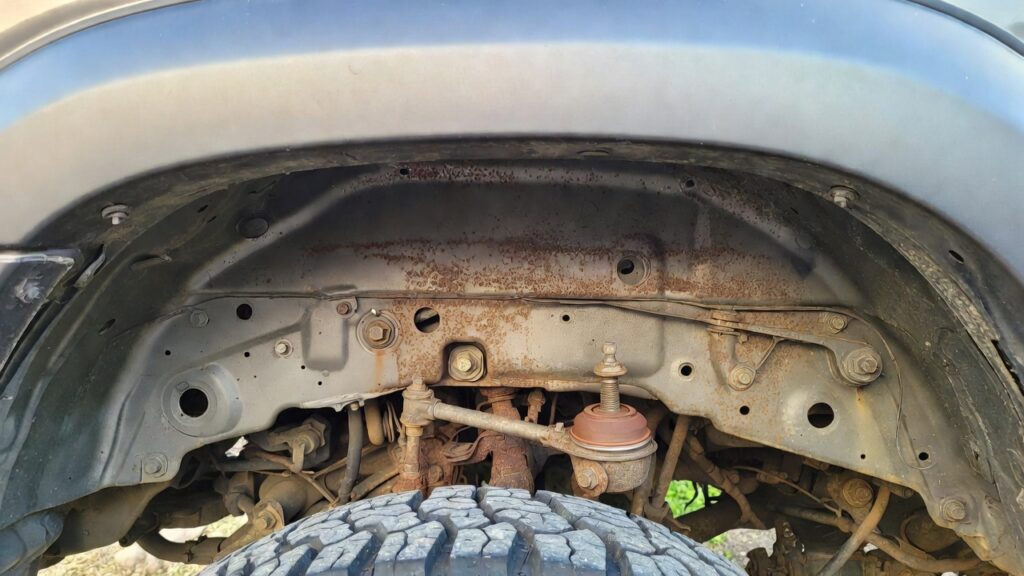
Even a reliable vehicle can develop issues over time. Age and mileage eventually affect every car. One common concern involves rust. Vehicles driven in snowy regions sometimes develop frame corrosion if road salt builds up over time.
Another issue involves lower ball joints. These suspension components can wear out and should be replaced if signs of looseness appear. Older models may also develop worn suspension parts. Shocks, bushings, and control arms often need replacement after many years of use.
None of these issues are unusual for a vehicle more than two decades old. Regular inspections and preventative maintenance usually keep the vehicle running smoothly. Most owners report that the overall number of 2000 4Runner problems remains low compared with many other SUVs from the same era.
2000 Toyota 4Runner Value and Used Price
Used prices vary widely depending on mileage, condition, and location. Well maintained examples with moderate mileage often sell between $6,000 and $9,000 in the United States. Vehicles with very high mileage typically fall closer to the $3,000 to $5,000 range.
| Condition | Mileage | Average Price |
| Excellent | Under 150k | $8,000 – $9,000 |
| Good | 150k – 220k | $5,000 – $7,000 |
| High mileage | 220k+ | $3,000 – $5,000 |
| Project vehicle | Needs work | $1,500 – $3,000 |
The used 2000 4Runner price also depends on drivetrain. Four wheel drive models usually command higher prices because they are more desirable for off road driving. Toyota 4Runner resale value remains strong even after many years. That strength reflects the vehicle long reputation for durability.
Is the 2000 Toyota 4Runner Worth Buying Today?
Many buyers still consider this SUV a smart purchase.
The biggest advantages include durability, strong resale value, and excellent off road performance. The vehicle also offers a simple design that many owners prefer over complex modern electronics. There are also a few drawbacks. Fuel economy is modest compared with newer SUVs. Safety technology is limited, and some examples require suspension repairs due to age.
Drivers who want a dependable and capable used SUV often find the 4Runner a strong choice. Those who want modern comfort features may prefer newer alternatives. The best trim to buy usually depends on intended use. Off road drivers often prefer the SR5 with four wheel drive, while daily drivers may enjoy the comfort of the Limited trim.
2000 Toyota 4Runner vs Other 3rd Generation Years
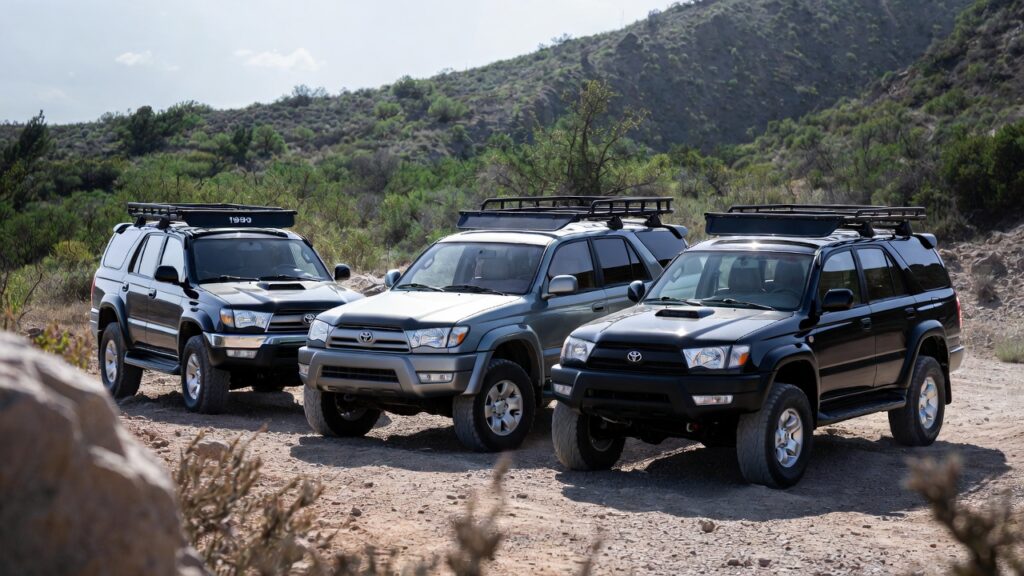
The third generation 4Runner includes model years from 1996 through 2002. Many enthusiasts consider the later years among the best.
The 1999 model introduced several improvements including updated suspension tuning and a few feature upgrades. The 2000 model continued those improvements while maintaining the same reliable engine options. Later models such as 2001 and 2002 added small interior updates and additional safety features.
Many experts consider the 1999 to 2002 range the best year 4Runner period for the third generation. These models combine refined suspension with proven mechanical reliability. For buyers comparing options, the 2000 model sits right in the sweet spot of the lineup.
Conclusion
The 00 toyota 4runner remains one of the most dependable used SUVs you can buy. Its strong body on frame construction, proven engines, and legendary Toyota durability allow many examples to exceed 250,000 miles.
Fuel economy and modern features may fall behind newer SUVs, but reliability and off road ability remain strong advantages. Buyers who want a rugged vehicle with long term value should seriously consider the Toyota 4Runner 00 model.
If you find a well maintained example with service records, it can still be a smart purchase today.
Sources:
- National Highway Traffic Safety Administration
- Insurance Institute for Highway Safety
- Kelley Blue Book
FAQs
How much is a 2000 4Runner worth today?
Most examples sell between $3,000 and $9,000 depending on mileage and condition. Well maintained vehicles with under 150,000 miles usually command the highest prices. Four wheel drive models also tend to sell for more because they are popular with off road enthusiasts.
Is the 2000 4Runner good or bad?
The 2000 4Runner is generally considered very good. It offers strong reliability, durable construction, and good off road capability. While it lacks modern technology and high fuel economy, many owners value its simplicity and long lifespan.
What oil is best for a Toyota 4Runner?
Most 2000 models use 5W-30 engine oil. This viscosity provides proper lubrication for both the four cylinder and V6 engines under normal driving conditions. Owners should always check the owner manual and follow the recommended service intervals.
Can I put 89 gas in my 4Runner?
Yes, using 89 octane gasoline is safe for most 4Runner engines. However, the manufacturer typically recommends regular 87 octane fuel. Higher octane fuel will not significantly improve performance for these engines.
What year to avoid 4Runner?
No single model year stands out as one to avoid. However, early third generation models may have fewer safety updates. Many buyers prefer 1999 through 2002 because those years include suspension improvements and refined features.
What octane is best for 4Runner?
Regular 87 octane gasoline works best for most 4Runner engines from this era. The engine design does not require premium fuel. Using higher octane generally does not provide noticeable benefits.
Is the V6 or V8 better in 4Runner?
The 2000 model only offered a V6 or four cylinder engine. Later generations introduced a V8. For the third generation lineup, the V6 remains the preferred option because it balances power, reliability, and fuel economy.
Does running 93 octane make a difference?
Using 93 octane fuel usually does not improve performance in a 2000 4Runner. The engine computer is designed for regular fuel. Premium gasoline may increase fuel cost without providing meaningful benefits.
What gas station has the most quality gas?
Major national brands such as Shell, Chevron, and Exxon typically maintain consistent fuel quality standards. Stations that sell Top Tier gasoline often provide better detergent additives that help keep engines clean.