

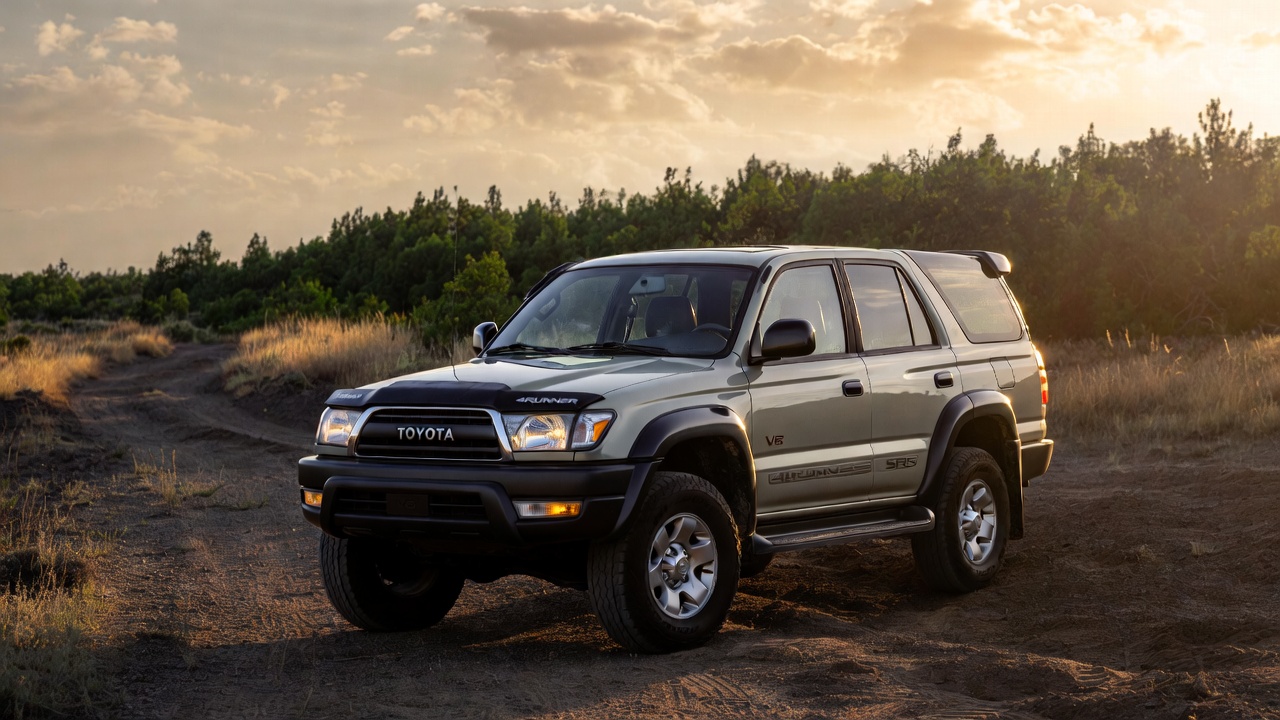
Buying a 25-year-old SUV might sound risky. Yet the Toyota 4Runner keeps showing up on used car shortlists for one reason: durability. The 99 Toyota 4Runner built its reputation during the era when Toyota focused heavily on mechanical simplicity and long-term reliability.
Today, buyers researching this SUV usually want to know the same things. How reliable is it? What problems should you expect? And most importantly, is it still worth buying in 2026?
Overview of the 1999 Toyota 4Runner
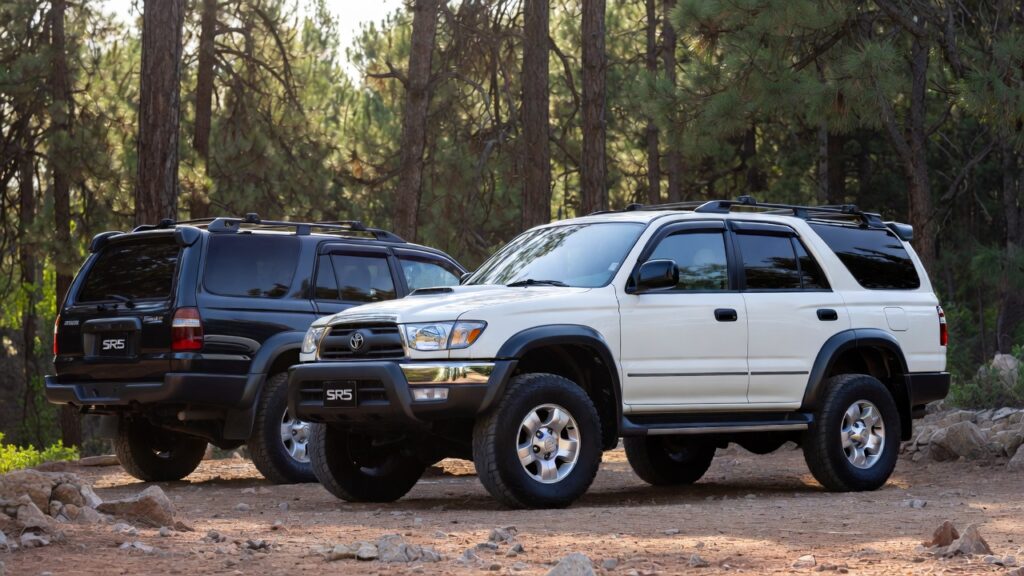
The 1999 model belongs to the third generation Toyota 4Runner, produced from 1996 through 2002. Many enthusiasts consider this generation the sweet spot between classic simplicity and modern usability. Earlier models from the late 1980s were tough but basic. Later generations became larger and more complex. The 3rd gen Toyota 4Runner hit a balance that many buyers still appreciate.
For 1999, Toyota updated the model with several improvements. Suspension changes improved ride quality, and some trims gained additional safety and comfort features.
Three main trims were available:
- Base model
- SR5
- Limited
The 99 Toyota 4Runner SR5 was the most common configuration. It balanced price and features while offering optional four wheel drive. The Limited trim added leather seats, upgraded audio, and more comfort features. Buyers who wanted a rugged SUV with a slightly more upscale feel often chose the 99 Toyota 4Runner Limited.
One reason these SUVs remain popular today is their traditional body-on-frame construction. That design is similar to pickup trucks and allows better durability off road compared with many modern crossovers.
Engine and Performance of the 99 Toyota 4Runner
Toyota offered two engine choices in 1999. Both were known for durability rather than outright power.
Engine options
The base engine was a 2.7-liter four cylinder. It delivered reasonable fuel economy but limited performance in a vehicle this size.
Most buyers chose the 3.4-liter V6 engine. This engine became one of the most respected Toyota powerplants of the late 1990s.
Horsepower and torque
Performance numbers were modest by modern standards. But reliability mattered more to most buyers.
| Engine | Horsepower | Torque | Transmission |
| 2.7L I4 | 150 hp | 177 lb-ft | 5-speed manual / 4-speed automatic |
| 3.4L V6 | 183 hp | 217 lb-ft | 5-speed manual / 4-speed automatic |
The 1999 4Runner engine lineup focused on longevity. The V6 in particular regularly reaches very high mileage with basic maintenance.
Transmission options
Two transmissions were available.
- 5-speed manual
- 4-speed automatic
The automatic transmission became the most common choice in the used market today. It is generally reliable but should have documented fluid changes. Acceleration is not fast by modern SUV standards. The V6 version reaches highway speed comfortably, while the four cylinder version can feel underpowered during heavy loads.
1999 Toyota 4Runner Fuel Economy
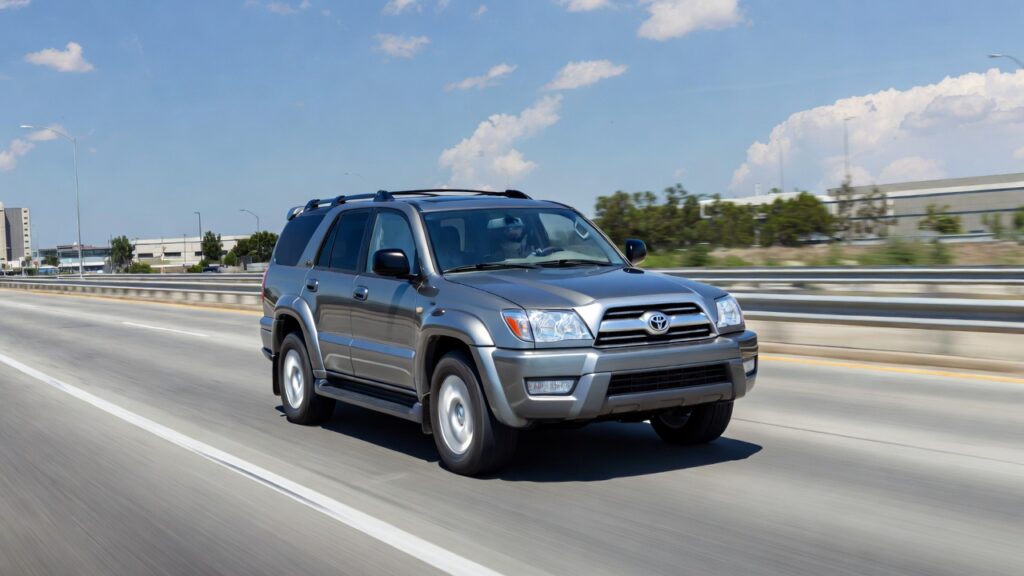
Fuel efficiency was reasonable for a body-on-frame SUV from the late 1990s. Buyers today should expect slightly lower real world results due to age and wear.
| Engine | City MPG | Highway MPG | Combined MPG |
| 2.7L I4 | 18 | 21 | 19 |
| 3.4L V6 | 17 | 20 | 18 |
Real world numbers usually fall between 16 and 19 MPG combined. Factors such as tire size, lift kits, and driving style affect fuel economy. Many older 4Runner owners modify their vehicles for off road use. Larger tires or roof racks often reduce efficiency further.
Compared with modern crossovers, the 1999 Toyota 4Runner mpg numbers look low. But within its class and era, the figures were typical.
1999 Toyota 4Runner Towing Capacity
The 1999 4Runner towing capacity was strong for a midsize SUV of its time. With the V6 engine and proper equipment, the vehicle could tow up to 5,000 pounds. This capacity allowed owners to pull small campers, boats, or utility trailers.
| Trim | Engine | Drivetrain | Max Tow |
| Base | 2.7L I4 | RWD | 3,500 lbs |
| SR5 | 3.4L V6 | RWD | 5,000 lbs |
| Limited | 3.4L V6 | 4×4 | 5,000 lbs |
Payload capacity typically ranges around 1,500 pounds depending on configuration.
Realistically, most owners prefer to stay below 4,000 pounds for consistent performance and braking confidence. The V6 engine handles moderate towing comfortably, especially with the automatic transmission.
Interior Features and Comfort
Inside, the 1999 Toyota 4Runner interior reflects late 1990s SUV design. The layout is simple, durable, and easy to use. Materials are not luxurious, but they hold up well over time. Many examples still have original dashboards and switchgear after two decades.
Cabin space
The SUV seats five passengers comfortably. Front seats offer good visibility thanks to the tall driving position.
Rear seat legroom is decent for the class, though modern SUVs provide more space.
Cargo capacity
Cargo space was one of the model strong points.
| Configuration | Cargo Space |
| Behind rear seats | ~44 cubic feet |
| Rear seats folded | ~79 cubic feet |
A large rear hatch and low load floor make hauling gear easy.
Technology features
Technology was simple by modern standards.
Typical features included:
- AM/FM cassette or CD stereo
- Power windows and locks
- Optional leather seats
- Sunroof on some trims
Many owners upgrade the stereo system today while keeping the rest of the cabin largely original.
Reliability of the 99 Toyota 4Runner
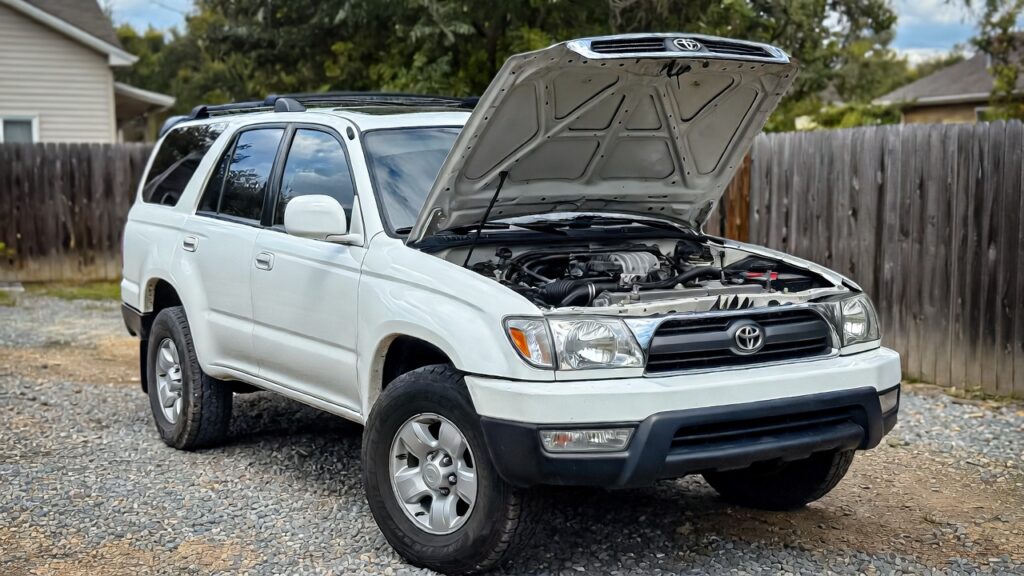
Reliability remains the biggest reason people search for this vehicle today.
The 1999 Toyota 4Runner is widely considered one of the most reliable SUVs from its era. Many well maintained models exceed 300,000 miles. Its durable 3.4 liter V6 engine, body on frame construction, and simple mechanical design contribute to its long lifespan.
Toyota built these SUVs with long term durability in mind. The engines use conservative tuning and proven components. Owners who follow basic maintenance schedules often report extremely high mileage.
Common longevity examples include:
- 250,000 miles with minimal repairs
- 300,000 miles with proper maintenance
- Occasional examples exceeding 400,000 miles
Routine maintenance such as timing belt replacement every 90,000 miles is important. When maintained properly, the drivetrain remains dependable for decades.
Common Problems With the 1999 Toyota 4Runner
No vehicle reaches 25 years of age without developing some issues. Fortunately, most problems on this model are well documented and manageable.
| Problem | Typical Mileage | Repair Cost |
| Frame rust | 150k+ | $1,000-$4,000 |
| Lower ball joint failure | 120k-200k | $300-$700 |
| Suspension wear | 150k+ | $400-$1,200 |
Frame rust issues
Frame corrosion is the most serious concern. Vehicles from northern states with heavy road salt are most affected. A pre purchase inspection should include a careful look underneath the vehicle.
Lower ball joint failures
Ball joint wear is a known issue on older 4Runners. If ignored, it can lead to suspension damage. Many owners replace them proactively around 150,000 miles.
Aging suspension
After decades of use, shocks and bushings typically wear out. The good news is that suspension components are relatively inexpensive and easy to replace.
1999 Toyota 4Runner Off Road Capability
Off road ability is another reason the model maintains a loyal following. The 1999 4Runner off road performance benefits from traditional SUV engineering. The body on frame structure provides strength for rough terrain.
Key capability features include:
- Available part time 4WD system
- Solid rear axle
- Good ground clearance
Ground clearance is about 9 inches in stock form. Many owners install suspension lifts and larger tires to improve trail performance. The 99 Toyota 4Runner 4×4 version includes a two speed transfer case. Low range gearing helps when climbing steep trails or navigating deep mud.
While modern off road vehicles include electronic traction aids, the mechanical simplicity of this generation often proves more durable in harsh environments.
Current Value of a 99 Toyota 4Runner in the USA
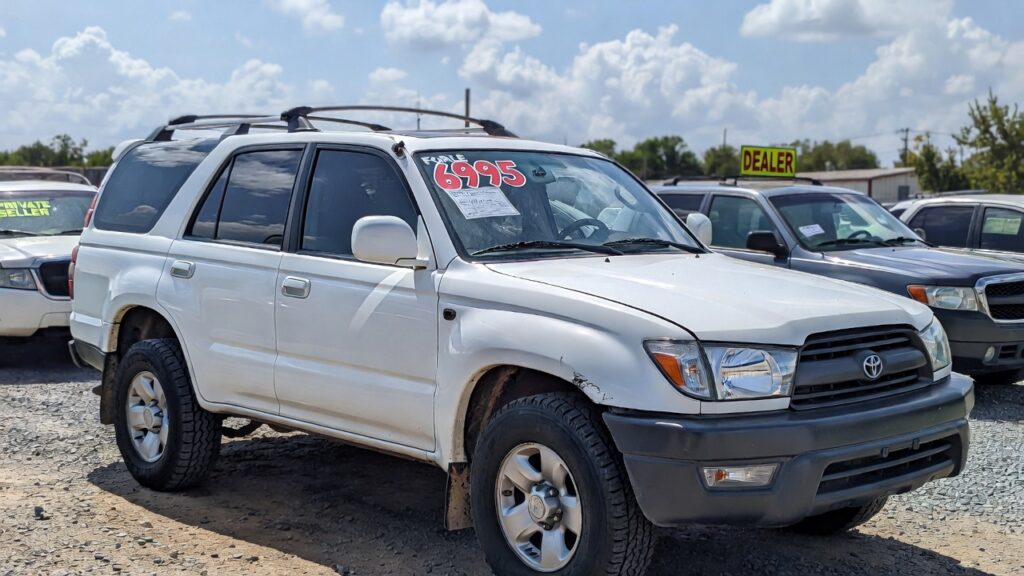
Prices vary widely depending on mileage, condition, and modifications. The used market has remained surprisingly strong because of the model reliability reputation.
| Condition | Mileage Range | Average Price |
| Fair | 200k+ miles | $3,000-$4,000 |
| Good | 150k-200k | $4,500-$6,000 |
| Excellent | Under 150k | $6,500-$8,000 |
Searching for a 99 Toyota 4Runner for sale often reveals a wide range of listings. Private sellers usually offer the best prices. Dealer listings sometimes exceed $8,000 for clean examples with low mileage.
The 99 Toyota 4Runner front bumper and other exterior parts are also widely available. Replacement parts remain easy to find thanks to the strong enthusiast community.
Is the 1999 Toyota 4Runner Worth Buying Today?
For many buyers, the answer is still yes.
The biggest strengths remain reliability, off road ability, and simple mechanical design. Few SUVs from the late 1990s still command this level of respect.
Pros:
- Excellent long term durability
- Strong off road capability
- Large aftermarket support
- High resale value for age
Cons:
- Lower fuel economy
- Older safety technology
- Possible rust issues
Budget buyers searching for a toyota 4runner 99 for sale often choose this model because of its reputation for lasting well beyond 200,000 miles. It is especially attractive for off road enthusiasts and DIY mechanics who enjoy maintaining older vehicles.
Conclusion
The 1999 Toyota 4Runner remains one of the toughest midsize SUVs from its era. Its simple mechanical design, strong V6 engine, and proven durability allow many examples to run well past 300,000 miles.
Buyers should focus on rust inspection and maintenance history before purchasing. A well maintained example can still serve as a reliable daily driver or trail vehicle. For shoppers with a $3,000 to $8,000 budget, this SUV remains a smart used purchase in 2026.
Sources:
- National Highway Traffic Safety Administration
- Insurance Institute for Highway Safety
- Kelley Blue Book
FAQs
How much is a 1999 4Runner worth today?
Most examples range between $3,000 and $8,000 in the United States. Price depends heavily on mileage, rust condition, and maintenance history. Clean V6 4×4 models with lower mileage often command the highest prices.
Is 1999 a good year for a Toyota 4Runner?
Yes. The 1999 model year sits in the middle of the reliable third generation. Toyota improved suspension tuning that year while keeping the proven drivetrain components that helped build the model reputation for durability.
How many miles will a 1999 4Runner last?
With proper maintenance, many vehicles exceed 300,000 miles. The V6 engine and strong chassis design allow the SUV to handle high mileage better than most vehicles from the late 1990s.
What year to stay away from 4Runner?
Most generations are reliable. However, early 2000s models experienced some frame rust issues in certain regions. Buyers should inspect any used 4Runner carefully regardless of year.
What is the best year of the old 4Runner?
Many enthusiasts consider the 1999 and 2000 models among the best years. They combine the durable 3.4 liter V6 engine with updated suspension and improved interior features.
What is the most common problem with a Toyota 4Runner?
Frame rust and worn suspension components are the most common concerns on older models. Lower ball joints should also be inspected regularly, especially on vehicles with higher mileage.
What engine is in a 99 4Runner?
Two engines were available. The base engine was a 2.7 liter four cylinder producing 150 horsepower. Most models used the 3.4 liter V6 engine with 183 horsepower.
What mileage is too high for a 4Runner?
High mileage alone does not necessarily indicate a problem. Maintenance history matters more. Many buyers still consider examples with 200,000 miles if service records show consistent care.
What is the rarest 4Runner?
Special editions and low production trims tend to be rare. In the third generation, certain limited color combinations and factory options appear less often on the used market.