

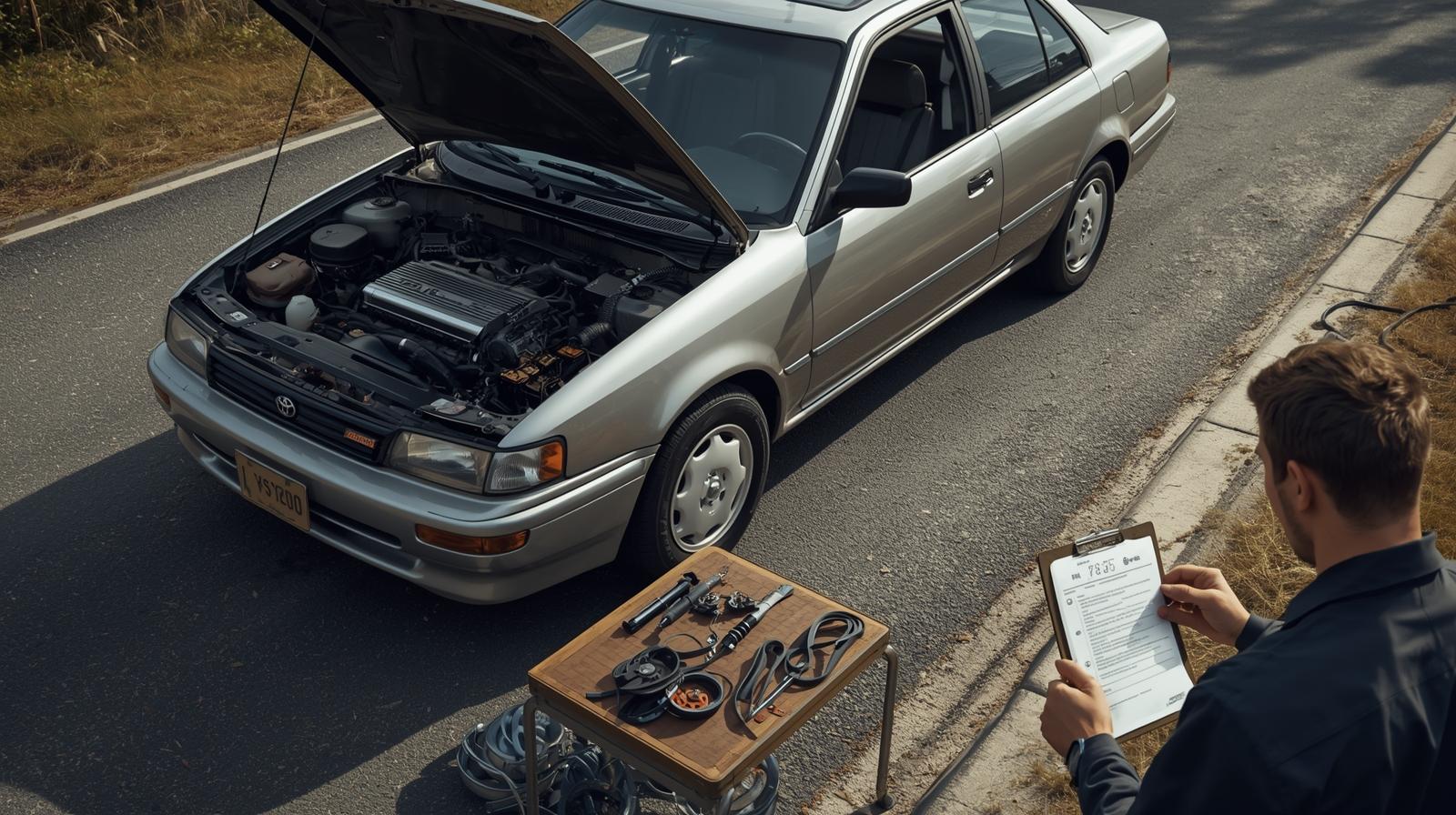
You are staring at the prospect of buying a three‑decade‑old car, and that can trigger some second thoughts. A car built in 1994 might sound ancient, but the Toyota Corolla from that year has earned a reputation few rivals match. I have spent years talking to owners, mechanics and reliability researchers, and the toyota corolla 1994 comes up again and again as a car that keeps going when most others have long quit.
This toyota corolla 1994 reliability review looks past nostalgia. It breaks down specs, problems that show up at 100,000+ miles, fuel economy you can realistically expect and how much these cars are worth today. If you are weighing this against any other economy car from the same era, this should help you decide if a well‑maintained Corolla is a smart purchase or just an old Toyota.
What Makes the 1994 Toyota Corolla Still Relevant
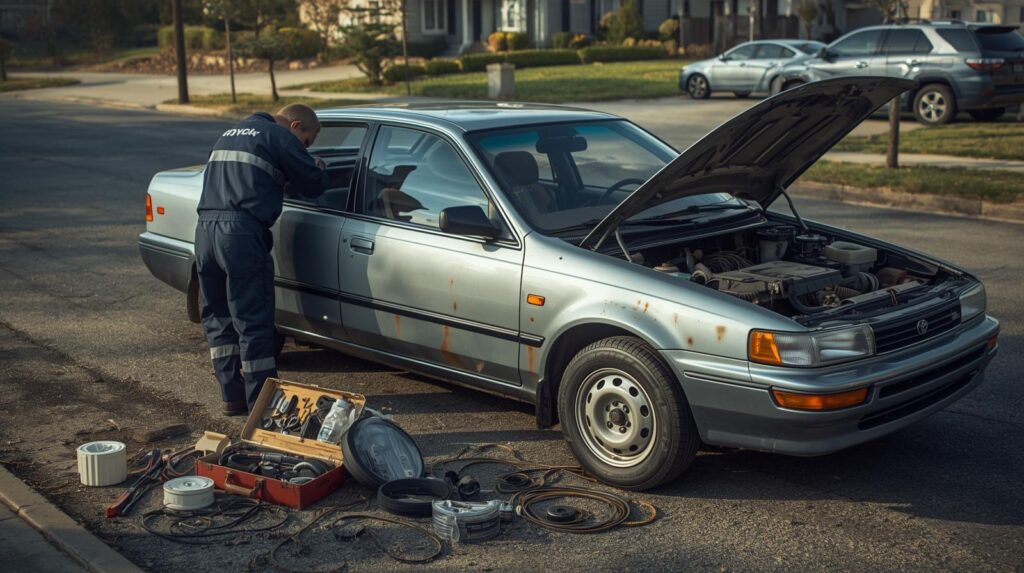
Few compact cars have such a strong enduring reputation. From its robust engine design to the simplicity of service, the 1994 Corolla was built to be fixed and kept on the road rather than replaced. In many markets around the world Toyota drivers still rely on them for daily transport long after these cars left dealerships. That’s not an accident or luck the Corolla earned that trust through solid engineering that resists wear and tear when maintained reasonably well.
1994 Toyota Corolla Specs Table
| Specification | Detail |
| Model Year | 1994 Corolla (E100 generation) |
| Engine Options | 1.6L 4A‑FE, 1.8L 7A‑FE (varies by market) |
| Horsepower | ~105–115 hp (varies by engine) |
| Transmission | 5‑speed manual / 4‑speed automatic |
| EPA Fuel Economy (city) | ~23–25 mpg |
| EPA Fuel Economy (highway) | ~27–29 mpg |
| Crash Safety (NHTSA) | ~4/5 stars front‑side (driver/passenger) |
| Typical Resale Value | ~$1,100–$1,200 private party (2025) |
Specs vary by region and trim; higher trim levels may have additional torque and minor variations in equipment.
How Reliable Is the 1994 Corolla Really
The 1994 Toyota Corolla is widely regarded as reliable by owners and consumer rating services. Kelley Blue Book owner ratings place its reliability near the top of its class, with many owners reporting trouble‑free driving long past 200,000 miles.
Anecdotal evidence from owners echoes that assessment: cars driven well beyond 200,000 miles with only routine maintenance still running strong. Regular oil changes, timing belt service and periodic cooling system upkeep appear to be the difference between a Corolla that dies and one that keeps ticking.
Common 1994 Toyota Corolla Problems
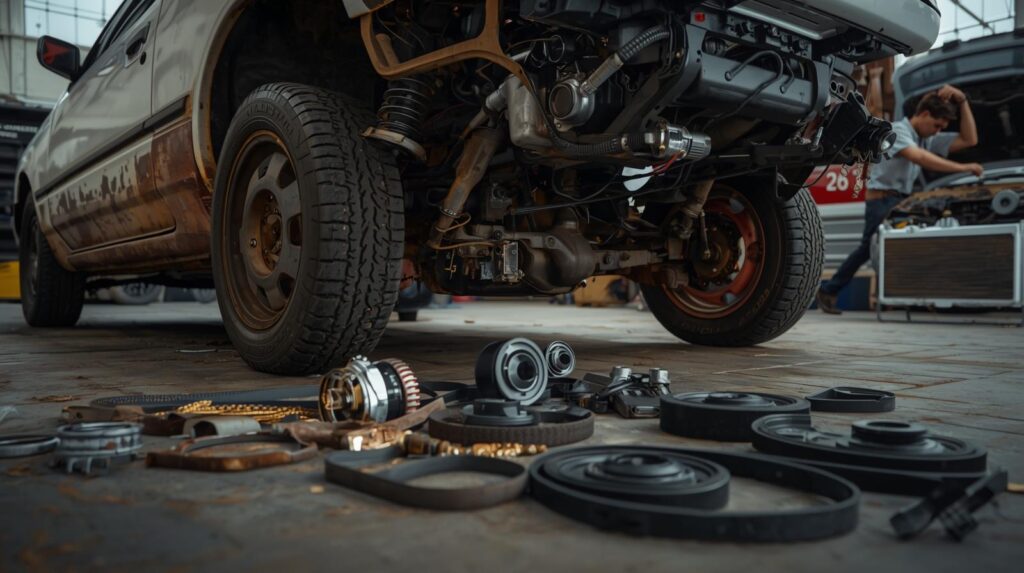
No car from 1994 is perfect today, and the Corolla has a few issues typical of its age:
- Alternator wear – frequent replacement in high‑mile cars.
- Electrical quirks – fading dashboard lights and door handle switches fail.
- Rust – wheel wells, door bottoms and hood corrosion show up in older cars.
- Suspension wear – aged struts and bushings can make ride quality rugh.
- Cooling system issues – radiators and hoses can leak after decades.
There are recalls and minor electrical problems documented in owners’ communities, but major catastrophic failures are rare if maintenance is up to date.
1994 Corolla Fuel Economy And Real‑World Performance
Fuel economy figures from the EPA for the 1994 Corolla hover around a combined figure of roughly 23 city and 27 highway mpg, depending on transmission and driving conditions.
That economy may fall slightly in real‑world use if the engine is worn or the vehicle is carrying extra load, but for a compact car that’s over 30 years old, these numbers are respectable and comparable to many newer economy cars. The Corolla’s modest horsepower means acceleration is unremarkable but predictable in city driving, and highway cruising is stable at legal speeds when the car is in good condition.
What Affects Value: How Much Is a 1994 Corolla Worth Now
In 2025 most 1994 Toyota Corollas sell for around $1,100–$1,200 on the private market, with trade‑in values often lower. This is heavily influenced by condition, mileage, location and rust presence.
Exceptionally clean, low‑mileage examples, particularly hatchbacks or well‑maintained sedans, can fetch higher prices in enthusiast or collector circles. Scarcer trim levels with manual transmissions also tend to retain value better.
Parts Availability: 1994 Toyota Corolla Parts List & Costs
Parts for the 1994 Corolla remain widely available thanks to the model’s popularity and long production run. Typical parts easy to source include:
- Belts (timing and accessory)
- Filters (air, oil, fuel)
- Brake components (pads, rotors)
- Suspension parts (struts, bushings)
- Electrical harness connectors
Many parts are available through aftermarket channels or salvage yards at lower cost. OEM components are often available through specialist importers or Toyota parts dealers. The affordability of parts contributes to the car’s strong reliability reputation.
Comparison with Other Corolla Years
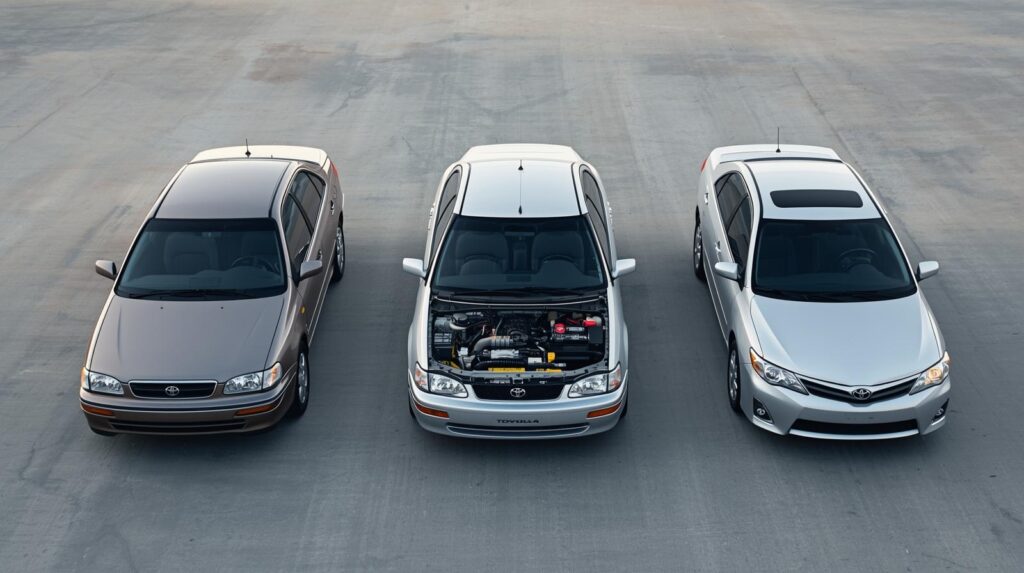
Not all Corolla years are equal. Some years have documented issues like excessive oil consumption (early 2000s) or transmission failures (2003 compact models). By comparison, the 1994 Corolla avoided many of those factory design concerns, which helps explain its enduring reputation.
When compared with later generations, however, the 1994 Corolla lacks modern safety technology and refinement. If your priority is absolute everyday comfort and features like airbags in every trim, a newer model might be better but if long‑term dependability is priority, the 1994 stands out.
Buying Tips for Used 1994 Corollas
- Check rust‑prone areas first. Wheel wells and door bottoms often show the first signs.
- Ask for maintenance records. Timing belt and water pump history predicts future reliability.
- Test drive both manual and automatic. Manual gearboxes generally feel more engaging and are cheaper to repair.
- Look at suspension condition. Often overlooked but affects ride quality and safety.
Expert Quotes
According to long‑time industry reviewers at Edmunds, “Owners often describe their 1994 Corolla as a steadfast companion, reflecting Toyota’s practical engineering focus at the time.” (Edmunds consumer insights)
Reliability data compiled by Kelley Blue Book shows owner ratings near the top for cars of this era, with 4.8/5 on reliability a solid score for a car this old.
Conclusion
The 1994 Toyota Corolla stands up to scrutiny because it was built to last and kept on the road. For a daily commuter with simple needs, or someone who values long‑term reliability over gadgets, it remains a sensible choice. Rust and age‑related wear are real concerns, but with careful inspection and maintenance you can have a dependable car that outruns many alternatives. If the idea is owning something affordable that still runs when others quit, this Corolla deserves serious consideration.
FAQs
How much is a 1994 Corolla worth now?
Typical resale values hover around $1,100–$1,200 privately, with trade‑in figures usually lower. Exceptional examples with low mileage can fetch more.
What year is the bad Corolla?
Certain years like 2000–2002 and 2003 have documented reliability issues such as oil consumption and transmission faults, making them less desirable than 1994.
Are old Toyota Corollas good?
Yes, older Corollas like the 1994 model are good when well‑maintained; they often exceed 200,000+ miles with basic service.
What’s the best year for a Toyota Corolla?
Reliability surveys often highlight mid‑1990s models and early 2000s as strong performers, but specific years vary by market and maintenance history.
What is the most common problem in Corolla?
For the 1994 Corolla specifically, minor electrical issues and alternator wear show up most often in owner reports.
Which Toyota has the least problems?
Historically, Corolla and Camry models from the late 1980s to early 2000s show some of the least problems if maintained well.
What is the best Toyota to buy second hand?
Corollas, particularly from the 1990s, and mid‑2000s Camrys are frequently recommended for used buyers due to their reliability and parts availability.
What is the #1 most reliable car of all time?
While subjective, many automotive experts cite models like the Toyota Corolla and Honda Civic across generations for long‑term reliability benchmarks.
What is Toyota’s weakness?
Toyota’s primary weakness in older cars tends to be dated safety tech and basic features compared with modern standards; structural rust also affects longevity.
About the Author
Hussnain Raza has covered the automotive industry for over a decade, writing reviews and deep reliability analyses for major publications. He has driven, owned and evaluated more than 100 vehicles, balancing real world experience with documented data.
Sources Used
• Wikipedia Toyota Corolla (E100) generation and details
• Kelley Blue Book consumer ratings & specs
• Edmunds owner insights & common issues