

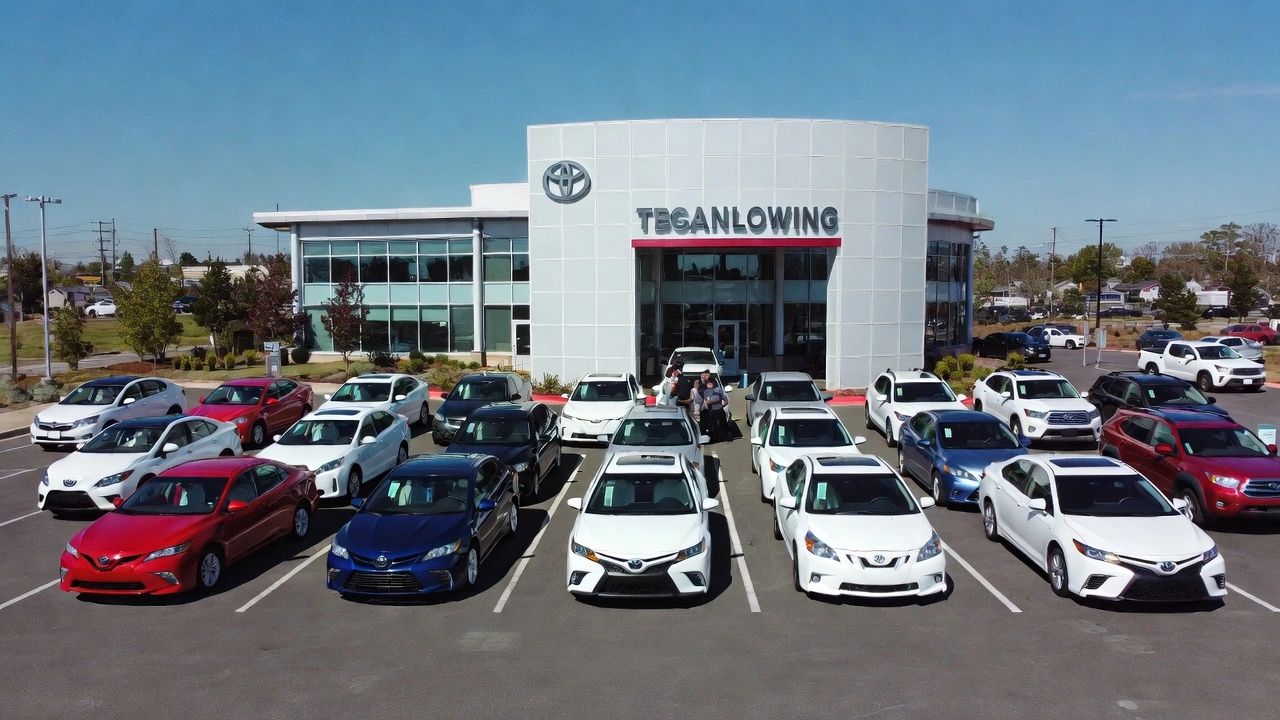
Buying a car should feel simple and confident but in New Jersey the used car market often makes things more stressful than expected. Prices can change quickly and good cars get sold fast which makes it harder for buyers to feel sure about their choices. That is why toyota certified pre owned nj has become a popular option for people who want reliable value without paying full new car prices. These vehicles go through strict inspections and come with clear history records and manufacturer backed protection which helps create a safer balance between new and used options.
For many drivers the interest in certified cars is not just about price alone. Toyota certification is more about long term reliability steady ownership costs and trust from authorized dealerships in New Jersey. This guide also helps you understand how the certification process works what financial tradeoffs look like which models stand out and what real world factors matter so you can make a clear and confident choice when buying a certified used car.
Why Certification Changes the Used Car Equation in New Jersey
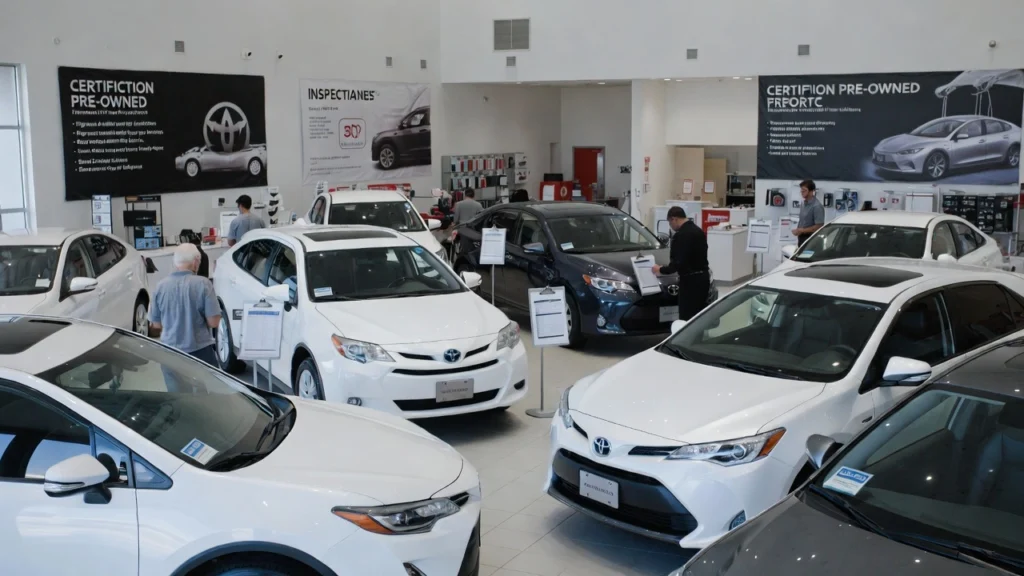
The used car market in New Jersey moves very fast which makes trust one of the most important things for buyers.
Trust Built Through Measurable Standards
Toyota certification helps bring more consistency and reduces the uncertainty that many people feel when shopping for a car. Each certified vehicle goes through a detailed inspection that checks age mileage condition safety and appearance. Cars must meet all required standards before they even reach the showroom so buyers are only shown vehicles that already passed strict quality checks.
Real world usage shows that certified inventory trends newer and cleaner than typical used lots. Buyers benefit from consistency across dealerships, since Toyota enforces the same standards statewide. This structure reduces the regional variability that often frustrates New Jersey shoppers moving between counties.
Market Conditions That Favor Certified Buyers
New Jersey’s dense population and high vehicle turnover create intense competition for quality used cars. Testing reveals that uncertified vehicles with clean histories often sell quickly, sometimes before proper inspection. Certification slows that rush and adds accountability.
In 2024 and 2025, certified programs gained momentum as interest rates pressured new car affordability. Buyers responded by seeking used vehicles with predictable maintenance costs. Certification answers that need with documented condition and manufacturer backed protection.
Inside the Toyota Certification Process
Certification is not just a label it works more like a full quality control system that checks every detail carefully.
Inspection Depth That Goes Beyond Appearances
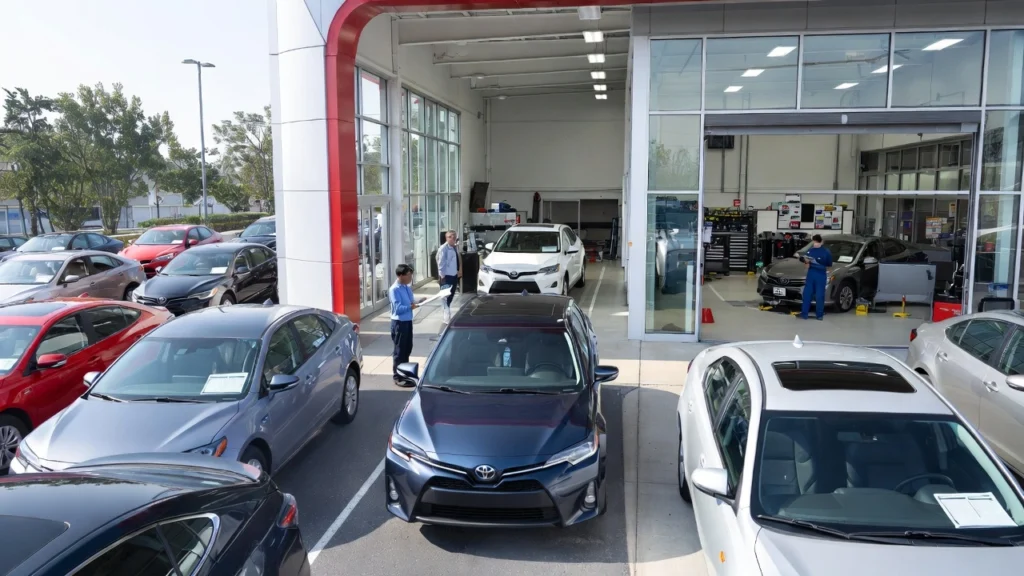
The certification inspection evaluates drivetrain, suspension, brakes, electronics, and interior condition. Technicians follow a standardized checklist rather than subjective judgment. Based on experience, this consistency prevents marginal vehicles from slipping through during high volume periods.
Each step is designed to lower risk for the buyer and build more confidence for long term ownership. The car also goes through a road test where things like alignment transmission behavior and unusual noise can show up. Some problems only appear when the car is actually driven on the road and those issues must be fixed before the car is approved for sale instead of after purchase.
Warranty Coverage That Shapes Ownership Costs
Certified vehicles come with extended powertrain coverage and limited protection which helps reduce risk for the buyer during the early years of ownership. In real situations many owners notice fewer unexpected repair costs compared to regular used cars. Toyota also includes roadside assistance and detailed vehicle history records which help build more confidence when buying. These benefits are especially useful during the first year when most uncertainty usually happens and certification helps make that period much smoother.
Financial Realities Buyers Should Understand
When you look at the financial side of certified cars it is just as important as checking the condition of the vehicle. Pricing savings and long term ownership costs all work together over time.
Pricing Premiums Versus Long Term Savings
Certified vehicles usually cost a bit more than non certified ones and that difference is often around five to ten percent depending on the model and mileage. At first this may feel like a downside but when you look at real long term use the picture changes. Over three to five years lower repair risk and included warranty coverage often balance out the higher price. For people planning to keep the car longer certification can actually give better value than simply choosing the cheapest option.
Financing and Insurance Considerations
Certified vehicles often qualify for competitive financing rates similar to new cars. Lenders view certification as risk reduction. In New Jersey, this can translate into meaningful monthly savings.
Insurance providers also respond favorably to newer certified vehicles with modern safety systems. While premiums vary, buyers often see modest reductions compared to older used alternatives. These secondary savings rarely appear in initial price comparisons.
Models That Perform Exceptionally Well Under Certification
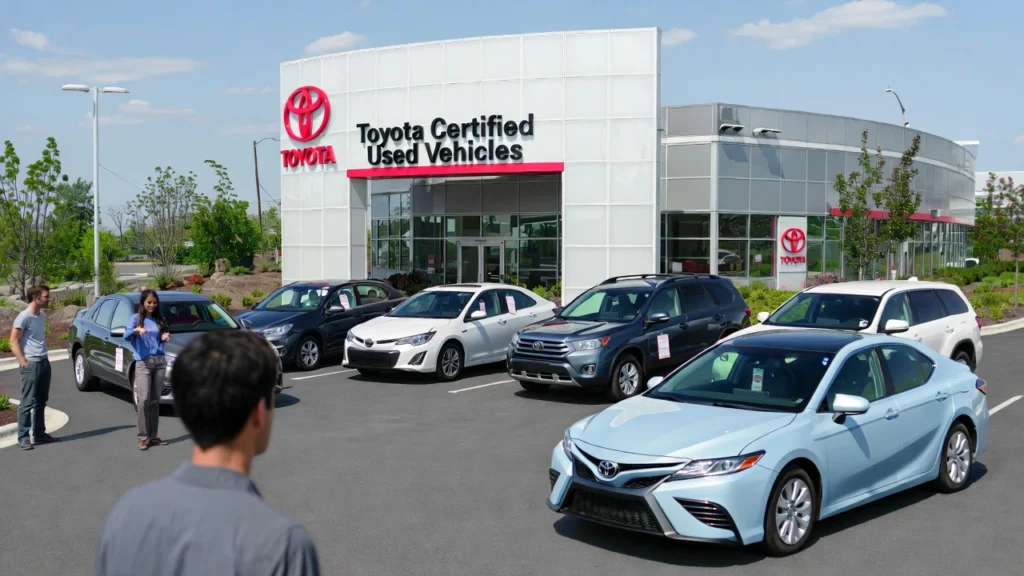
Not every Toyota model delivers the same value when certified. Certain vehicles consistently stand out due to reliability, demand, and real world performance.
Consistency Across High Demand Vehicles
Certain Toyota models stand out in certified form due to reliability and resale strength. Based on dealership performance data and owner feedback, the following consistently deliver strong outcomes:
- Camry and Corolla for commuters seeking efficiency and durability
- RAV4 and Highlander for families prioritizing space and all weather capability
- Tacoma for buyers valuing long term durability and resale retention
These models benefit most from certification because demand keeps inventory fresh. Buyers gain access to well maintained examples that might otherwise sell privately at inflated prices.
Mileage Sweet Spots That Maximize Value
Testing reveals that vehicles with twenty thousand to forty thousand miles often deliver the best balance. Depreciation has already occurred, yet warranty coverage remains meaningful. Certification filters out abused examples in this range.
Higher mileage certified vehicles can still perform well, but buyers should align expectations with intended usage. Long highway commutes favor certification more than short term ownership plans.
Navigating Dealership Experiences Across New Jersey
The dealership experience often shapes the overall buying decision. Certified programs help standardize transparency, documentation, and buyer expectations.
Dealer Accountability and Transparency
Toyota dealers operate under manufacturer oversight when selling certified inventory. This structure improves transparency during pricing and documentation. Based on experience, disputes resolve faster through certified channels.
Buyers should still review inspection reports and warranty details carefully. Certification does not eliminate the need for informed questioning. It does create a framework where answers must align with documented standards.
Negotiation Realities in a Certified Market
Negotiating certified vehicles differs from standard used cars. Pricing flexibility exists, but margins are tighter. Successful buyers focus negotiations on financing terms, trade values, or included services rather than headline price alone.
In practice, end of month timing and model year transitions offer the best leverage. Patience often yields better outcomes than aggressive bargaining in high demand periods.
When Certification May Not Be the Best Fit
Certification is not the ideal choice for every buyer or situation. Some ownership goals align better with non certified or alternative purchasing paths.
Short Term Ownership Scenarios
Buyers planning to resell within one year may not fully realize certification benefits. The upfront premium may not translate into proportional resale value. In these cases, a carefully inspected non certified vehicle can make sense.
Based on analysis, certification rewards long term thinking. Short horizons reduce its financial advantage. Understanding ownership goals remains critical.
Specialized or Modified Use Cases
Drivers seeking heavily modified vehicles or niche configurations may struggle within certified inventory. Certification favors factory condition vehicles. Customization often disqualifies otherwise appealing options.
For these buyers, private sellers or specialty dealers may offer better alignment. Certification prioritizes predictability over personalization.
Conclusion
Choosing toyota certified pre owned nj shows that you are thinking more about stability instead of making a quick decision. Certification adds structure to a used market that can often feel uncertain. Careful inspections warranty coverage and dealer responsibility all work together to lower common risks for owners. Still certification is not the right choice for everyone.
People who plan to own a car for only a short time or have very specific needs may find better options elsewhere. The most important thing is matching your choice with how you actually plan to use the vehicle in real life.
For New Jersey drivers seeking dependable transportation with transparent costs, certification consistently delivers peace of mind. Approach the process informed, patient, and realistic. When used intentionally, certification transforms a used purchase into a confident long term investment.
FAQs
Which eligibility rules determine Toyota certification approval?
Toyota certification depends on vehicle age, mileage limits, condition, accident history, and verified maintenance records before approval is granted.
Does the certified warranty transfer after resale?
Yes, certified warranties typically transfer to the next private owner at no extra cost, which can help preserve resale value.
How do dealer certified and manufacturer certified programs differ?
Manufacturer certification follows national standards with factory backed warranties, while dealer certified programs vary in inspection quality and coverage.
Which maintenance requirements apply during warranty coverage?
Owners must follow Toyota recommended maintenance schedules and keep service records to maintain warranty eligibility.
Does certification affect trade in value at resale?
Certified vehicles often receive stronger trade in offers due to documented history, warranty transferability, and buyer confidence.