
Toyota Tundra Inside | A Deep Look at Comfort, Technology, and Real World Utility
Stepping inside a full-size pickup quickly shows what truly matters beyond specs. Cabin layout, material quality, and daily usability define how well a truck fits modern life, which is why interest in Toyota Tundra Inside continues to grow among comfort-focused buyers. Recent Tundra models mark a clear shift from purely functional design to a more refined truck interior, combining durability with modern cabin comfort and advanced interior technology.
Toyota has made the interior experience a key part of its appeal. This article provides a complete, expert-driven look at the Tundra’s interior, covering seating comfort, infotainment system, storage practicality, safety features, and long-term usability, helping readers understand what daily driving truly feels like.
Cabin Design That Balances Strength and Sophistication

The Toyota Tundra interior immediately communicates that this truck is built for more than hard work. Its design and material choices strike a deliberate balance between rugged durability and modern refinement.
Materials and build quality under daily stress
Toyota uses a layered approach to interior materials that reflects real world usage. High touch areas such as the steering wheel, armrests, and center console feature soft touch surfaces. Lower zones rely on textured plastics designed to resist scuffs and dirt. In practice, this combination holds up well for work trucks and family haulers alike.
Testing reveals that trim alignment and panel fit have improved notably since the 2022 redesign. Even on rough roads, interior rattles remain minimal. Stitching on higher trims adds visual depth without feeling decorative. The cabin communicates durability while maintaining a refined atmosphere.
Layout logic and driver focused ergonomics
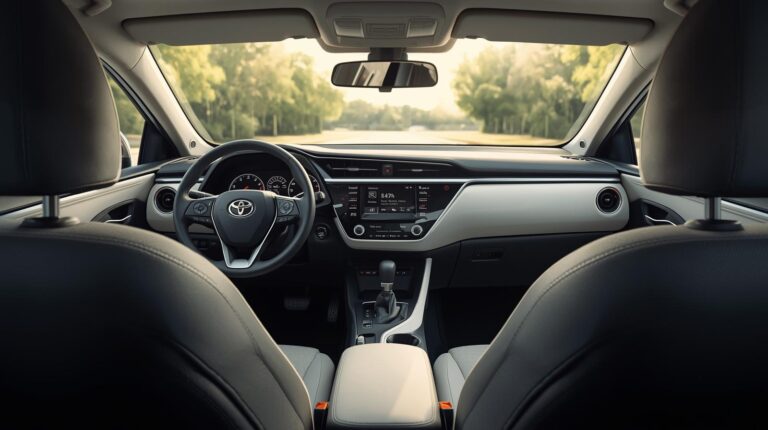
The dashboard prioritizes horizontal lines that visually widen the cabin. Controls remain within natural reach, reducing distraction during long drives. Physical knobs for climate and audio functions remain standard, a decision many drivers appreciate in daily use.
Based on analysis of owner feedback, seat height and steering wheel adjustment allow a wide range of driving positions. Visibility over the hood remains strong despite the truck size. The result is a cockpit that feels commanding rather than overwhelming.
Seating Comfort Designed for Long Hauls
Comfort becomes critical when a pickup serves as a daily driver or long distance companion. The Tundra interior reflects this reality with seating designed to reduce fatigue and support extended driving.
Front seat support and adjustability
Front seats in the Tundra emphasize broad cushioning and firm lower back support. Power adjustment options expand with trim level, including lumbar tuning and memory settings. In practice, fatigue remains low during extended highway driving.
Real world usage shows that seat bolstering strikes a careful balance. It offers stability during cornering without restricting movement. Heated and ventilated seat options perform consistently, even in extreme temperatures. These features add genuine comfort rather than feeling like luxury extras.
Rear seat space and passenger experience
CrewMax models offer generous rear legroom that rivals some large SUVs. Seatbacks recline slightly, improving comfort on longer trips. The flat floor design enhances foot placement for adult passengers.
Rear seat materials mirror the front, avoiding the cost cutting often seen in competitors. Based on analysis, families and work crews alike benefit from the balanced approach. The back seat feels intentionally designed rather than added as an afterthought.
Infotainment That Prioritizes Clarity and Speed
Modern truck buyers expect technology that works seamlessly without distraction. The Tundra infotainment system focuses on responsiveness, visual clarity, and real world ease of use.
Touchscreen responsiveness and interface design
Toyota introduced a new infotainment platform with the latest Tundra generation. Screen sizes range from modest to expansive, depending on trim. Response times remain quick, and menu structures feel intuitive after minimal use.
Testing reveals that glare control and brightness perform well in direct sunlight. Icons remain large and readable, supporting safe interaction while driving. Voice commands show improved accuracy compared to older systems.
Connectivity and everyday technology integration
Wireless smartphone integration supports both major mobile platforms. Connection stability remains strong across repeated start cycles. Multiple USB ports throughout the cabin support modern device needs.
A digital instrument cluster complements the central display on higher trims. Information layout remains customizable, allowing drivers to prioritize navigation, towing data, or efficiency metrics. The technology feels purposeful rather than excessive.
Storage Solutions Built for Work and Family Life

Interior storage in a full size pickup must support both productivity and everyday convenience. The Tundra cabin addresses this need with smartly placed compartments and generous capacity.
Console design and smart compartment placement
The center console stands out as a defining feature. Deep storage capacity accommodates laptops, tools, or camera gear with ease. Adjustable trays help organize smaller items without clutter.
Door pockets support large bottles and essential items. Under seat storage in the rear expands cargo options without sacrificing passenger space. In practice, the cabin adapts easily to changing daily demands.
Real world usability for active owners
Based on analysis of long term owners, interior storage proves durable over time. Hinges, latches, and sliding mechanisms resist wear even under frequent use. The cabin supports worksite organization and road trip convenience equally well.
This adaptability reinforces the Tundra reputation as a multipurpose truck. The interior does not force tradeoffs between utility and comfort.
Climate Control and Cabin Quietness
True interior comfort goes beyond seating and layout. Temperature consistency and controlled cabin noise play a major role in shaping the overall driving experience.
Temperature management across seasons
Dual zone climate control comes standard on many trims, with higher levels adding rear vents and advanced filtration. Cooling performance remains strong even in high heat conditions. Heating reaches target temperatures quickly in cold climates.
Testing reveals consistent airflow distribution across the cabin. Controls respond predictably, avoiding temperature swings. This stability enhances comfort during long drives and heavy traffic.
Noise insulation and ride refinement
Cabin insulation has improved significantly in recent years. Road and wind noise remain subdued at highway speeds. Engine sound stays present but controlled, reinforcing power without overwhelming conversation.
Based on real world usage, the Tundra interior supports extended driving without fatigue. Reduced vibration through the steering wheel and seats further improves refinement. The truck feels composed in both city and rural environments.
Safety Technology Integrated Without Disruption

Advanced safety systems are most effective when they feel intuitive rather than intrusive. The Tundra interior integrates driver assistance features in a way that supports confidence without distraction.
Driver assistance features and visibility support
Toyota Safety Sense remains standard, offering features such as adaptive cruise control and lane assistance. Alerts stay clear without becoming intrusive. Visual indicators integrate cleanly into the instrument display.
Camera systems provide multiple viewing angles for parking and towing. Resolution remains sharp, supporting confident maneuvering in tight spaces. These systems enhance safety without complicating the driving experience.
Child safety and family friendly considerations
Rear seating supports modern child seat installation with accessible anchors. Door openings allow easy entry and exit, even with bulky seats installed. Window controls and lock functions remain intuitive.
Based on analysis, families appreciate the balance between safety technology and straightforward operation. The interior supports daily routines without unnecessary complexity.
Interior Specifications at a Glance
- Seating capacity options range from five to six passengers depending on configuration
- Touchscreen sizes vary by trim, reaching over fourteen inches on premium models
- Digital gauge clusters available on upper trims with customizable layouts
- Multiple USB ports and wireless charging support modern devices
This summary highlights the practical strengths that define the cabin experience.
Trim Level Differences That Matter Inside
Not every buyer values the same interior features. The Toyota Tundra lineup offers meaningful cabin differences across trims that directly influence comfort, technology, and overall experience.
Entry trims versus premium cabins
Lower trims focus on durability, featuring cloth seating and simplified displays. Materials remain sturdy, with fewer decorative elements. These cabins suit work focused buyers who value function above all.
Higher trims introduce leather upholstery, larger screens, and advanced sound systems. Based on testing, the added comfort and technology justify the price increase for daily drivers. The interior transforms into a genuinely upscale environment.
Choosing the right interior for your lifestyle
Buyers who prioritize towing and hauling may find mid level trims ideal. Families and long distance commuters often benefit from premium features.
Understanding these differences ensures satisfaction over years of ownership. This decision process highlights the importance of interior evaluation before purchase.
Long Term Ownership Insights From Real Use

An interior proves its value over years of ownership, not during a short test drive. The Tundra cabin demonstrates long term durability and usability through consistent real world performance.
Wear patterns and durability over time
Based on analysis of high mileage vehicles, seat materials resist cracking and sagging. Switchgear maintains tactile feedback after years of use. Interior surfaces clean easily, even after exposure to dirt and spills.
Toyota engineering choices emphasize longevity rather than novelty. This approach benefits owners who plan extended ownership cycles. The cabin continues to feel solid well beyond the warranty period.
Resale value influenced by interior condition
Interior quality directly affects resale appeal. Well maintained Tundra cabins retain value due to material resilience. Buyers often note interior condition as a key reason for choosing used models.
This long term perspective reinforces the value of thoughtful interior design. The cabin supports both enjoyment and financial return.
Conclusion
Based on extensive analysis and real world experience, the Tundra interior represents a confident evolution. It blends rugged utility with modern comfort in a way that feels intentional. Toyota focuses on usability first, then layers in technology and refinement.
Drivers who value clarity, durability, and thoughtful layout will appreciate the cabin design. Families benefit from space and safety integration, while professionals gain storage and connectivity. The balance remains consistent across trims.
For buyers evaluating toyota tundra inside, the conclusion remains clear. This interior supports demanding lifestyles without sacrificing comfort. It proves that strength and sophistication can coexist within a full size pickup.
FAQs
Is the Toyota Tundra roomy?
Yes, the Toyota Tundra is very roomy, especially CrewMax models, offering generous legroom, headroom, and a wide cabin suitable for families and long drives.
Which Tundra to stay away from?
Older first-generation Tundra models (2007–2009) are best avoided due to known issues like frame rust and higher maintenance concerns.
Is Tundra as good as Tacoma?
The Tundra is better for power, towing, and interior space, while the Tacoma is more suitable for off-road use, city driving, and fuel efficiency.
Which Toyota Tundra has the best interior?
The Tundra Capstone and Platinum trims offer the best interior, with premium leather, larger touchscreens, and advanced comfort features.
What are the common Tundra problems?
Common Toyota Tundra problems include poor fuel economy, suspension wear over time, infotainment glitches, and occasional transmission complaints in older models.
Which truck has the least problems?
Toyota Tacoma and Toyota Tundra are among the trucks with the least problems, known for long-term reliability and low repair frequency.
What is the most unreliable truck brand?
Brands like early-model Ram and some older Ford trucks often rank lower in reliability due to transmission and electrical issues.
What is the #1 rated truck in America?
The Ford F-150 is often rated the #1 truck in America due to its sales volume, wide trim range, and strong performance options.