
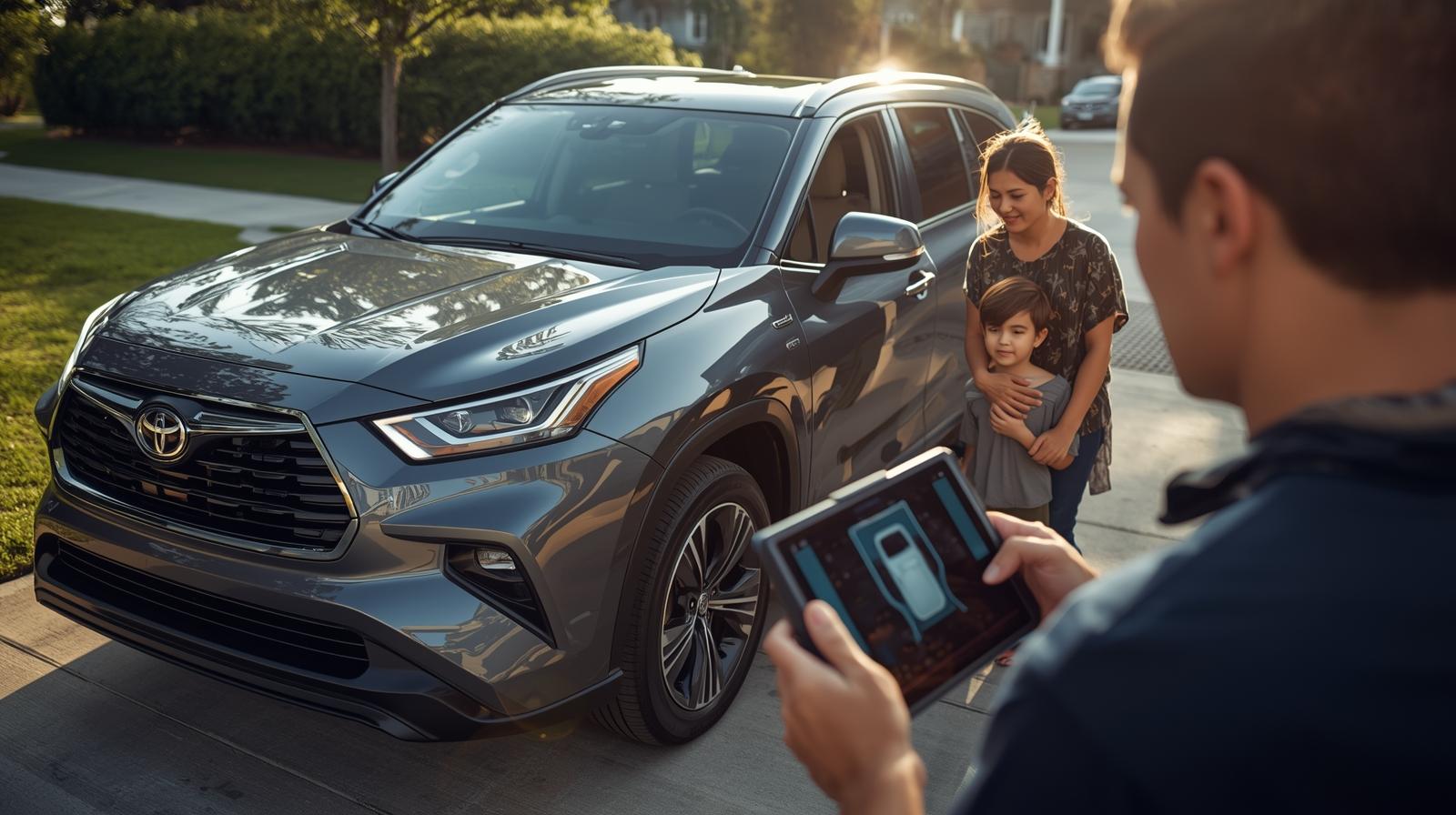
You might not expect a modern three-row SUV to raise safety concerns but that is exactly what happened here. If you own or are planning to buy a Toyota Grand Highlander understanding the recall fix really matters. The 2024 model went through a serious safety recall because of a problem in its side curtain airbags. And honestly this is not just about safety alone it also affects resale value buyer confidence and how reliable the vehicle feels over time.
In certain side-impact crashes mis-deployed airbags can fail to protect occupants posing serious injury or ejection risks. For a family-focused SUV like the Grand Highlander safety is a key selling point. Completing the recall fix is essential for peace of mind.
In this guide you will walk through what actually went wrong how the recall fix works in real situations how you can check your own vehicle and what you should expect once everything is repaired. The goal here is to keep things clear and practical. Drawing from recall data engineering insights and real owner experiences this breakdown gives you a deeper understanding. With years of experience in automotive safety the intention is to help you move through this recall process with clarity and confidence.
Side-Curtain Airbag Recall: What Went Wrong and Why It Matters
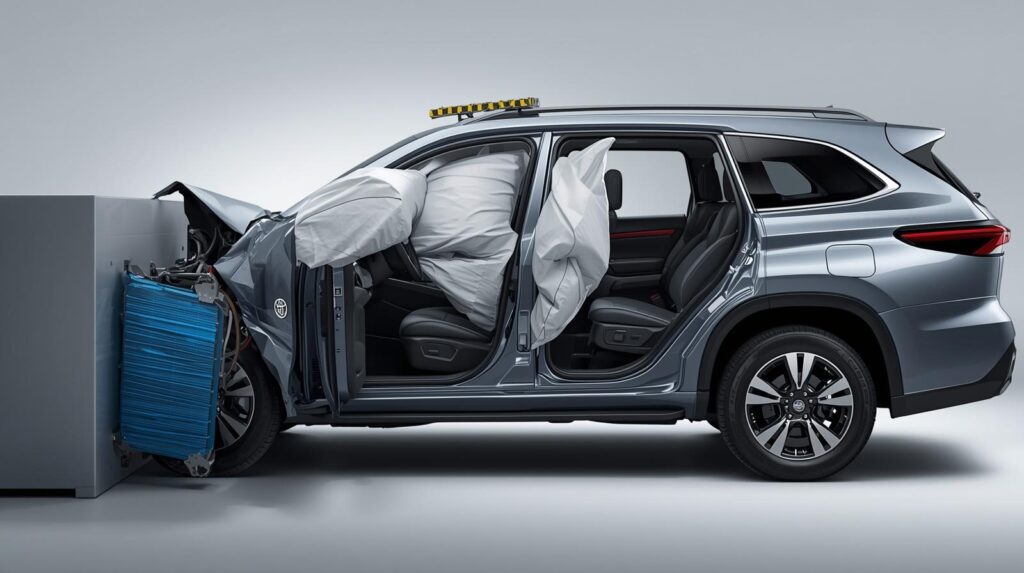
Curtain Airbag Deployment Error Unveiled
The recall focused on the side curtain airbags on the driver and front passenger sides of certain 2024 Grand Highlander and Grand Highlander Hybrid SUVs. If the front windows were down the airbags could partially deploy outside the vehicle instead of inflating properly inside. This failure significantly reduced protection in side-impact or rollover crashes.
Airbags serve as a critical backup when seatbelts alone cannot prevent serious injuries. A mis-deploying airbag increases the risk of ejection or severe trauma which is especially concerning in a large family SUV.
Regulators deemed this a federal safety violation. The airbags did not meet mandatory crash protection standards making the affected vehicles unsafe and triggering the recall.
Recall Scope and Affected Vehicles
So here is the scale of the situation. The recall impacted around 145000 Grand Highlander vehicles from the 2024 lineup in the United States including both standard and hybrid versions. On top of that a few SUVs from a related luxury brand that share the same platform were also part of this recall.
Production of new Grand Highlanders was temporarily halted while engineers developed a fix. Dealerships were instructed not to sell affected inventory leaving many prospective buyers waiting for months.
Although the recall began in 2024 the official remedy notice was issued later when corrected airbag assemblies became available. During this period owners faced uncertainty about timing appointments and whether the fix would fully restore safety.
Technical Remedy: Replacing Curtain Shield Airbag Assemblies
Once Toyota finalized the fix the remedy involved replacing both driver-side and passenger-side curtain shield airbags with updated assemblies designed to deploy correctly regardless of window position. The replacement is performed by authorized dealers at no cost to the owner.
Repair time is relatively modest roughly 3.1 hours according to recall documentation though actual dealer throughput depends on part availability and service-bay scheduling. Once replaced the SUVs are considered compliant with federal airbag deployment standards.
Until the fix is performed Toyota advised owners not to drive with front windows rolled down. That recommendation reduced but did not eliminate risk. In a crash scenario an open window could still undermine airbag effectiveness.
Why This Recall Resonates Beyond One Model
Now here is why this recall stands out more than usual. It is not just about how many SUVs were affected but what it reveals underneath. Even well-designed and recently launched vehicles can slip through strict safety checks. That is a bit surprising especially when you expect modern testing systems to catch everything before release.
Side-curtain airbags are standard safety equipment in nearly every modern SUV yet a seemingly small design oversight (window position during deployment) led to a major safety gap. The fact that this occurred in a flagship model such as the Grand Highlander suggests that even top manufacturers must remain vigilant on integration between structural design sensor logic and airbag architecture.
For consumers it underscores a broader truth: owning a new SUV is not a guarantee of perfect safety. Recalls remain an essential part of auto safety. As such tracking recall notices responding proactively and ensuring remedies are completed remains a vital responsibility for owners.
Engineering Gaps That Allowed the Recall Issue to Emerge
Sensor Logic and Architecture Misalignment
The curtain airbag defect stemmed from a structural and logical misalignment in the deployment system not a simple mechanical flaw. Airbag sensors assess crash intensity vehicle tilt and occupant position. In the Grand Highlander the system reacted differently when front windows were down causing the curtain bag to deploy outward instead of inside the cabin.
This shows how small design choices can have major consequences in large vehicles. Proper deployment requires precise coordination between structural openings interior geometry and inflation timing. In this case the original modules lacked sufficient shielding and directional control.
The issue highlights challenges in modern SUV design. Larger cabins bigger side windows and complex aerodynamics increase demands on airbag systems. The Grand Highlander recall demonstrates that even top automakers must continually reassess how airbags interact with vehicle geometry.
Testing Procedures and Why the Flaw Was Missed
Routine pre-production testing for airbags includes crash simulations sled tests and multi-variable analysis. The Grand Highlander defect was missed because standard tests typically assume closed windows which does not reflect all real-world conditions.
When regulators tested with open windows the curtain airbag partially deployed outside the cabin reducing occupant protection. This revealed a gap between test assumptions and actual driving behavior as many drivers routinely open front windows.
Once the oversight was identified engineers redesigned the modules to direct inflation more accurately. Part geometry was refined to prevent airflow from escaping and testing protocols now include window-position variations to better reflect real-world scenarios.
Lessons for Future Vehicle Development
Automotive safety development evolves continuously. Each recall reveals insights that shape future engineering practices. The Grand Highlander recall has already encouraged engineers within Toyota and other manufacturers to reassess assumptions about window interaction inflation timing and internal cabin airflow.
It is likely that future SUV designs will incorporate more robust airbag compartmentalization to prevent mis-deployment. Automakers may also enhance simulation models to capture airflow dynamics during inflation cycles. Moreover collaboration between design teams and safety system suppliers will become more integrated. These lessons will improve not only Toyota products but the broader automotive industry.
Owner Response and Real World Consequences of the Recall
How Owners Discovered the Problem
Many owners learned about the recall through mailed notices. Others received alerts through dealership networks or online recall tracking tools. Because the Grand Highlander is a flagship family SUV the recall generated significant attention among automotive communities. Owners frequently expressed concern about driving safety especially during highway trips or when transporting children.
Online discussions revealed patterns in owner reactions. Some owners expressed frustration that a safety issue emerged so early in the model’s life cycle. Others were uncertain about whether their specific vehicle was included. Still others wanted technical clarity about risks while waiting for the remedy. These responses highlight the importance of clear communication during recall events.
Information gaps also surfaced. Some owners initially believed the issue was limited to software calibration. Others thought it involved only the hybrid variant. Confusion like this illustrates why comprehensive manufacturer communication matters. When owners lack clarity trust declines and anxiety increases.
Real Driving Impacts Before the Fix
Although Toyota advised owners to avoid driving with open front windows that guidance did not fully eliminate anxiety. Many drivers felt uncomfortable using the vehicle until repairs were completed. This created disruptions for families who relied on the Grand Highlander as their primary transportation. Weekend travel plans road trips and daily school commutes were all affected.
Dealership appointment delays added another layer of inconvenience. In some regions repair part availability lagged behind demand. This resulted in multi-week waiting periods for certain owners. During that time many felt uncertain about whether their vehicle would protect them during a crash. For large family vehicles emotional reassurance matters just as much as technical compliance.
The impact extended to resale behavior. Listings on vehicle marketplaces reflected concerns about whether sellers had completed recall repairs. Buyers showed greater caution when evaluating used 2024 Grand Highlanders especially in private sales. This aligns with trends seen in other safety recall cases where unresolved recalls lower buyer confidence.
How Toyota Communicated and Responded
Toyota issued several communication waves to address owner concerns. Initial recall notices provided basic details while subsequent updates covered remedy development. Once parts became available dealerships received instructions to prioritize affected customers. This communication strategy helped restore some confidence.
Toyota also updated service scheduling systems to handle higher appointment volumes. Additionally hotline support teams were trained to explain the defect in simple terms. Many owners reported that dealership staff guided them through the repair process with clarity.
Despite these efforts some owners still felt unsatisfied with the pace of updates. In large recall campaigns communication improvements can always be made. Nevertheless Toyota’s overall approach aligned with federal recall standards and industry practices.
Repair Process at Dealerships: What Owners Experience
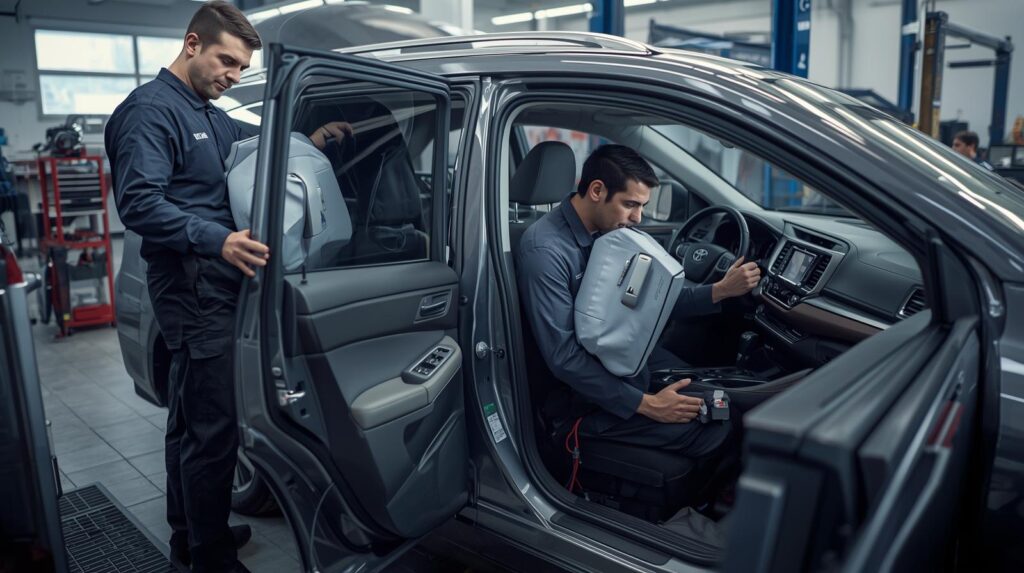
Appointment Scheduling and Pre-Repair Steps
Owners begin by confirming recall eligibility through the official recall lookup tool or by contacting the dealership. Once confirmed the dealership schedules an appointment. Most dealerships request that owners leave the SUV for several hours because the airbag replacement requires interior disassembly.
Prior to the appointment service advisors explain the repair in clear terms and reassure owners that the fix is free of charge. This is essential because airbag replacement repairs are more involved than software updates or quick inspections. The advisor also verifies that parts are in stock. In many cases dealerships have reserved modules specifically for the recall campaign to prevent shortages.
During check-in the SUV is inspected briefly for additional safety concerns. Advisors may also check for other minor recalls or software updates that can be completed during the same visit. This helps maximize service efficiency and minimizes owner inconvenience.
Details of the Curtain Airbag Replacement Procedure
Technicians start by disconnecting power to prevent accidental deployment. They carefully remove interior trim along the A-pillar B-pillar and roof which requires experience due to premium materials and multiple attachment points.
The original curtain airbag modules are unbolted and disconnected. New assemblies are installed with updated brackets and directional inflation components. Technicians test electrical continuity and sensor communication before reinstalling trim panels.
The process ends with system calibration to ensure accurate communication with safety sensors. This verification is crucial as even minor errors can affect deployment timing. Once complete the vehicle is recorded as repaired in national recall databases.
Post-Repair Evaluation and Owner Reassurance
When owners pick up the SUV service advisors provide documentation confirming completion of the recall fix. This documentation is valuable for insurance purposes resale purposes and personal peace of mind.
Most owners report that the vehicle interior looks identical to its pre-repair condition. Skilled technicians reinstall trim panels without gaps or imperfections. The airbag warning light is checked and the system status shows normal function. Many owners express relief after the repair because their SUV once again meets safety standards.
Toyota also encourages owners to review their side window usage habits and keep up with regular maintenance. These reminders help reinforce good safety practices. Once the fix is completed the Grand Highlander regains its full protective capability during side impacts and rollover events.
How the Toyota Grand Highlander Recall Fix Works
Toyota designs every recall fix with extreme precision because each correction must meet strict engineering safety and regulatory standards. When a recall is confirmed Toyota initiates a highly structured process that ensures the defect is isolated corrected and verified before returning the vehicle to the owner.
This process is not only mechanical. It is procedural digital and legal. Understanding how the Toyota Grand Highlander recall fix works provides clarity especially for owners who want to know exactly what happens when their vehicle enters the service bay.
Inspection Phase
When a Grand Highlander arrives at an authorized Toyota service center the first step is a full inspection. This phase determines whether the vehicle is affected by the specific recall and what level of corrective work is required. Technicians verify the Vehicle Identification Number cross-check recall bulletins examine the affected system and document the condition. Toyota does not begin repair work until the inspection confirms the recall condition.
Component Replacement or Software Correction
Once the issue is confirmed technicians perform the fix outlined in the recall bulletin. This may include replacing hardware components adjusting mechanical assemblies reinforcing safety structures or reprogramming digital modules. Toyota ensures that each fix is executed exactly as the engineering teams prescribe. No shortcuts are allowed.
Safety System Verification
After the fix is complete Toyota requires a multi-step verification process. This includes diagnostic scanning physical testing calibration and confirmation that no downstream system has been affected by the repair. If the recall involves airbags sensors cameras or other digital systems verification becomes even more detailed because Toyota must ensure that every safety function works exactly as designed.
Documentation and Quality Assurance
The service center records all work in Toyota’s centralized system. This ensures traceability and helps Toyota monitor the performance and effectiveness of the recall fix across thousands of vehicles. With this data Toyota can review whether additional improvements are required.
Why the Recall Fix Is Important for Toyota Grand Highlander Owners
Many vehicle owners misunderstand the importance of recall fixes and assume that the issue is only minor. However recall fixes are critical. They maintain not only personal safety but also long-term vehicle performance regulatory compliance and resale value. The Toyota Grand Highlander is known for its strength reliability and advanced engineering and recall participation is essential to keeping the vehicle in peak condition.
Protecting Occupant Safety
The primary purpose of a recall fix is to eliminate any risk that may compromise occupant safety. Whether the issue involves a mechanical defect structural weakness or electronic malfunction the fix directly reduces the probability of an accident or system failure. Toyota prioritizes safety more than any other factor.
Preventing Long-Term Damage
Even a minor defect can cause long-term mechanical stress electrical issues or wear patterns if left uncorrected. The recall fix prevents damage stabilizes performance and ensures that the Grand Highlander continues to operate smoothly. Early correction reduces the likelihood of expensive future repairs.
Maintaining Manufacturer Warranty Coverage
Ignoring a recall can affect future warranty claims. Toyota expects owners to complete recall fixes promptly because the recall remedy is part of the official safety restoration process. Completing the fix keeps the vehicle fully protected under Toyota’s warranty framework.
Ensuring Strong Resale Value
A vehicle with unresolved recalls often loses value during resale or trade-in evaluations. Buyers look for maintenance history and dealerships check the recall database instantly. Completing the Toyota Grand Highlander recall fix shows that the owner has maintained the vehicle responsibly.
Supporting the Brand’s Safety Record
Toyota maintains one of the strongest reputations in the automotive industry. When owners participate in recall programs the brand can demonstrate overall safety improvement trends verify the effectiveness of repairs and maintain high safety ratings across consumer platforms.
Common Symptoms That Indicate Your Toyota Grand Highlander May Need a Recall Fix
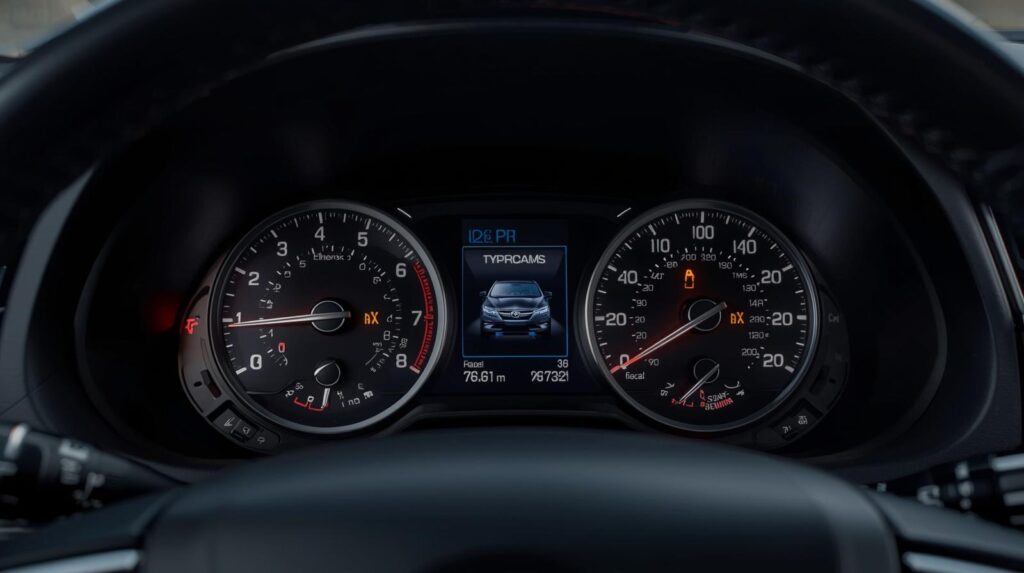
Not all affected vehicles show warning signs but some models may display symptoms that suggest the recall fix is necessary. These signs depend on the affected system and early identification helps prevent broader issues.
Warning Lights on the Dashboard
A malfunction indicator airbag light seatbelt warning or other system alerts can signify recall-related issues. These warning lights appear when the onboard system detects irregularities.
Electronic Malfunctions
If a recall involves sensors cameras or digital modules the Grand Highlander may show errors such as delayed screen responses intermittent camera feed automatic braking warnings or malfunctioning driver assistance systems.
Strange Noises or Mechanical Behavior
Clicks rattles vibrations grinding noises or unusual resistance may indicate a mechanical defect. These sounds often arise when components involved in a recall are under strain.
Structural or Visual Changes
In some recalls owners may notice loose trims misaligned panels or irregular pressure points around areas where welds or fittings are affected. These visual symptoms often accompany structural recalls.
Reduced Performance or Fuel Efficiency
If the recall relates to the engine fuel system or control modules owners may see slower acceleration inconsistent gear shifts lower fuel economy or hesitation during driving.
Airbag or Safety System Irregularities
Unexpected airbag warnings seatbelt tension inconsistencies or sensor detection failures may directly relate to recalls affecting safety systems.
How Owners Can Confirm Whether Their Toyota Grand Highlander Is Affected
Many owners remain unsure whether their vehicle is included in an official recall. Toyota has developed several systems that allow Grand Highlander owners to verify recall status quickly and accurately. Confirming recall eligibility is the first step toward scheduling the recall fix.
Use the Official Toyota Recall Lookup Tool
Toyota offers an online recall lookup tool that verifies recall status using the Vehicle Identification Number. This process provides instant confirmation. Once entered the system cross-checks national recall databases and displays all open recalls associated with the vehicle.
Check the National Highway Traffic Safety Administration Database
The NHTSA maintains a comprehensive recall database that includes all registered vehicles. Grand Highlander owners can enter their Vehicle Identification Number to review any federal recall notices safety bulletins or corrective actions involving their model year.
Contact an Authorized Toyota Dealership
Dealerships have access to internal recall bulletins and can confirm whether the Grand Highlander qualifies for a recall fix. Dealership verification is often more detailed because technicians can identify recall-related symptoms during inspection.
Look for a Recall Notification Letter
When Toyota issues a recall it mails an official letter to affected owners using the contact information registered at the time of purchase. This letter explains the issue the risk the recall fix and instructions for scheduling service. Owners who purchased a used Grand Highlander should update their contact information with Toyota to receive future recall notifications.
Enable Toyota App Notifications
Owners who use the Toyota App can receive recall alerts directly on their smartphone. This feature offers real-time updates about new recalls software fixes and maintenance recommendations.
Step-by-Step Guide to Getting the Toyota Grand Highlander Recall Fix
Once an owner confirms that their Grand Highlander is affected the next step is scheduling and completing the recall fix. Toyota has streamlined this process to make it convenient and free of charge. The following steps outline exactly what owners need to do.
Step One: Verify Recall Eligibility
The owner should confirm the recall status through Toyota’s website the NHTSA recall database the Toyota App or by calling a dealership. Verification ensures that the vehicle qualifies for the recall fix and helps the owner understand the nature of the issue.
Step Two: Schedule a Service Appointment
The owner must contact an authorized Toyota dealership to schedule the recall fix. Toyota recommends calling ahead to avoid long wait times especially for recalls involving large numbers of affected vehicles. Many dealerships also offer online scheduling through their website or the Toyota App.
Step Three: Prepare the Vehicle for the Appointment
Preparation usually requires no special steps but Toyota recommends bringing the recall letter if available. Owners should also remove personal items from the cargo areas if the recall affects rear structural components or interior trims.
Step Four: Dealership Inspection
During the appointment certified technicians inspect the Grand Highlander to confirm the recall condition. The inspection follows Toyota’s standardized recall procedure and ensures that no additional underlying issues are present.
Step Five: Completion of the Recall Fix
Once confirmed technicians perform the required repair replacement or software correction. Depending on the recall the fix may take between thirty minutes and several hours. Some extensive repairs may require the vehicle to remain overnight.
Step Six: Quality Assurance Review
After completing the repair technicians conduct a full diagnostic check. This includes system calibrations mechanical testing and digital scans to ensure the fix is completely successful.
Step Seven: Pick Up the Vehicle
Once the recall fix and quality checks are complete the dealership notifies the owner. The owner receives a printed repair summary confirmation of recall completion and information about any follow-up steps.
Step Eight: Keep Documentation for Future Reference
Owners should retain all recall-related documents. These records support future warranty claims and help preserve the vehicle’s resale value.
Cost and Time Expectations for the Toyota Grand Highlander Recall Fix
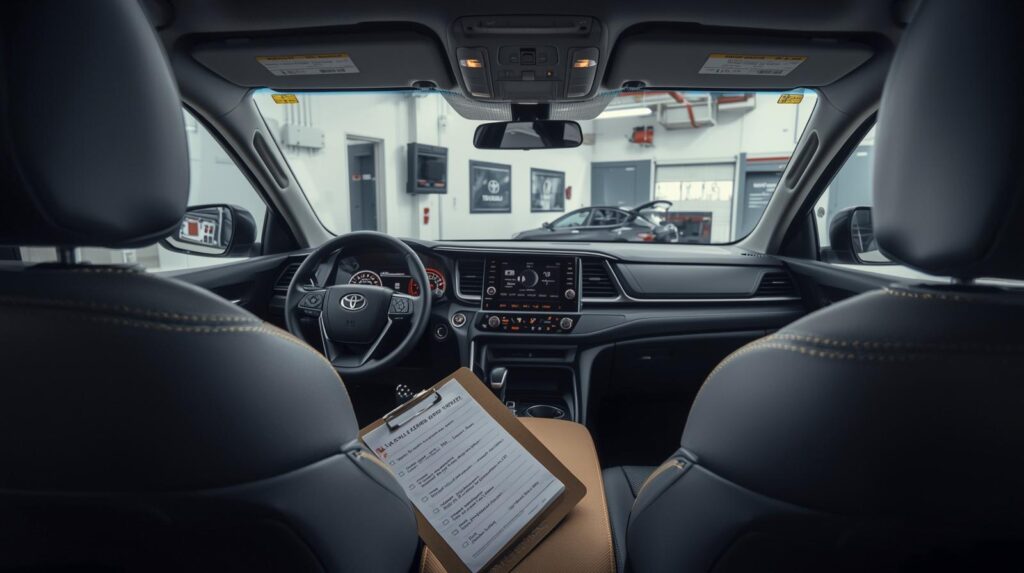
Toyota ensures that all official recall fixes are performed without charge. However owners often wonder how long the process takes and whether there are indirect costs or responsibilities. This section provides a clear understanding of timeframes and cost expectations.
Cost of the Recall Fix
Toyota performs all recall repairs entirely free of charge. The owner pays nothing for:
- Parts
- Labor
- Diagnostic inspections
- Software reprogramming
- Post-repair testing
Toyota is legally required to cover these costs as part of the recall remedy.
Time Required for the Fix
The time required depends on the specific recall. Simple software updates may take less than an hour. More technical repairs such as component replacement or structural reinforcement may require several hours or an overnight stay. Dealerships inform owners of the estimated duration when scheduling the appointment.
Availability of Replacement Parts
During large recalls demand for replacement parts can temporarily exceed supply. Toyota prioritizes distribution based on safety risk region and production availability. The dealership will notify the owner if a delay exists and schedule the appointment accordingly.
Loaner Vehicles or Transportation Support
Some dealerships provide courtesy vehicles during longer repairs although availability depends on location inventory and dealership policy. Toyota encourages dealerships to support owners especially when the recall involves a safety-critical component.
Follow-Up Service Requirements
Most recall fixes do not require future appointments. However if the recall involves software calibration or monitoring of post-repair performance the dealership may request a follow-up visit. This ensures that all systems continue to operate safely.
Conclusion
The Toyota Grand Highlander recall fix is more than a technical repair. It restores safety confidence and trust for every owner. The side-curtain airbag defect shows that even high-end new vehicles can have unexpected vulnerabilities. Completing the recall ensures the SUV performs as intended protecting families and drivers in demanding situations.
After the repair owners can be confident their Grand Highlander meets all federal safety standards. The fix corrects the defect aligns sensor logic and restores airbag effectiveness improving protection in side-impact and rollover scenarios. It also preserves long-term vehicle integrity and maintains the SUV’s premium value.
Participating in recall programs fosters responsible ownership. It encourages attention to safety alerts timely maintenance and compliance with regulations. Completing the Toyota Grand Highlander recall fix safeguards occupants and future resale value while reinforcing commitment to automotive safety.
FAQs
Airbag system reliability: does the recall fix guarantee performance?
After replacing and calibrating the curtain airbags the system is designed to deploy reliably under all conditions. Testing confirms proper inflation sensor function and integration with other safety systems restoring full compliance with federal standards.
Seatbelt tension: how does the recall fix help?
The recall corrects seatbelt pretensioners to restore proper tension and locking. Technicians verify force distribution to ensure occupants are safely restrained during collisions.
Recall process for first-time owners: what should they do?
First-time owners should verify recall eligibility via the VIN lookup schedule a dealership appointment and leave the vehicle for inspection and repair. Documentation of completion is provided and should be retained.
Used Grand Highlander recall: what are the expectations?
Owners of used vehicles should verify that all recalls are completed through NHTSA records or a dealership inspection. Completing outstanding recalls ensures safety and prevents future ownership complications.
Time and cost: how long does the recall fix take and what does it cost?
All recall fixes are free. Simple software updates may take under an hour while hardware replacements can take several hours. Some dealerships offer loaner vehicles for longer repairs.
Post-repair diagnostics: what should owners expect?
Dealerships run diagnostics after repairs to confirm that sensors airbags and electronic modules function correctly. Owners can expect no warning lights and normal vehicle performance.
Long-term maintenance: what should recalled vehicle owners do?
Even after the recall fix regular inspections of airbags seatbelts and sensors help prevent future issues. Following Toyota service schedules maintains safety and system reliability.
Resale value: how does completing a recall affect it?
Completing the recall enhances safety and resale value. Documentation reassures buyers prevents registration or insurance delays and demonstrates responsible ownership.