

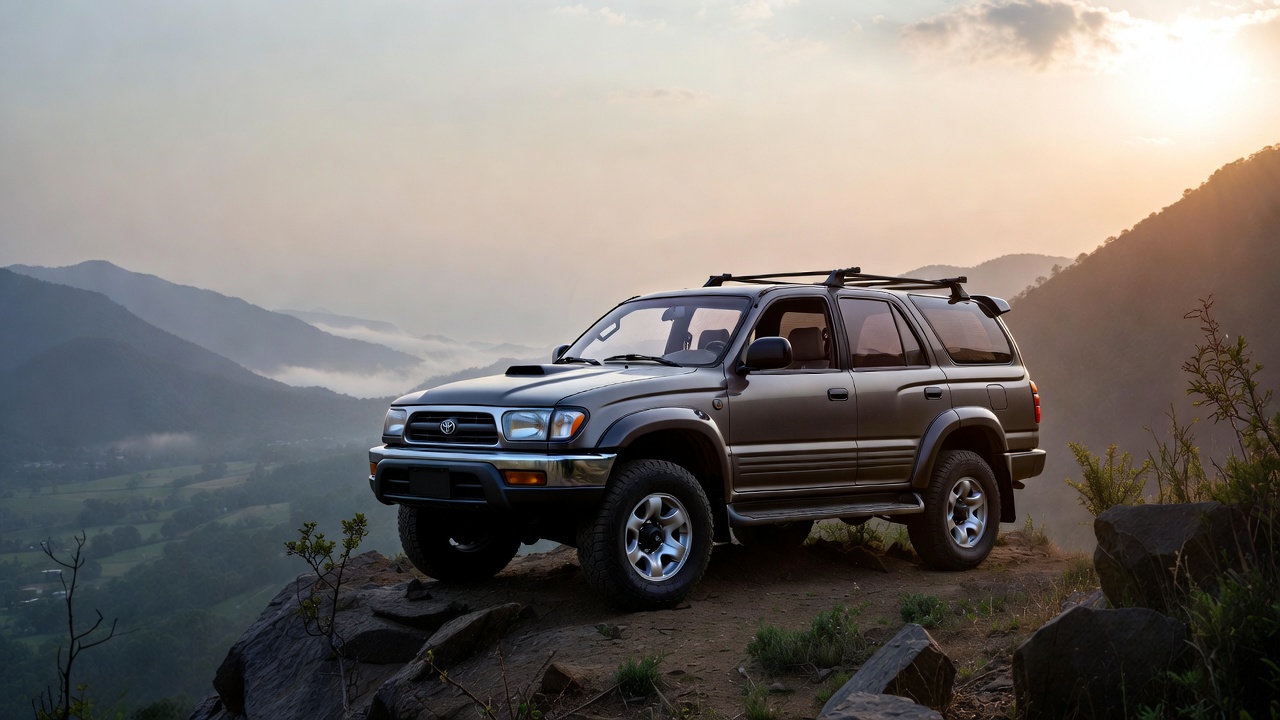
Buying an older SUV usually feels a bit risky because you are never fully sure what you are getting into. You probably want something that feels strong affordable and dependable but at the same time you do not want to deal with problems left behind by a previous owner. The 97 Toyota 4Runner keeps getting mentioned again and again for a good reason. Even after almost thirty years this 1997 Toyota SUV still attracts attention and people who love off road driving as well as buyers who are trying to save money continue to show strong interest in it.
Let us break down what you really need to know before you search for a 97 Toyota 4Runner for sale.
Overview of the 97 Toyota 4Runner
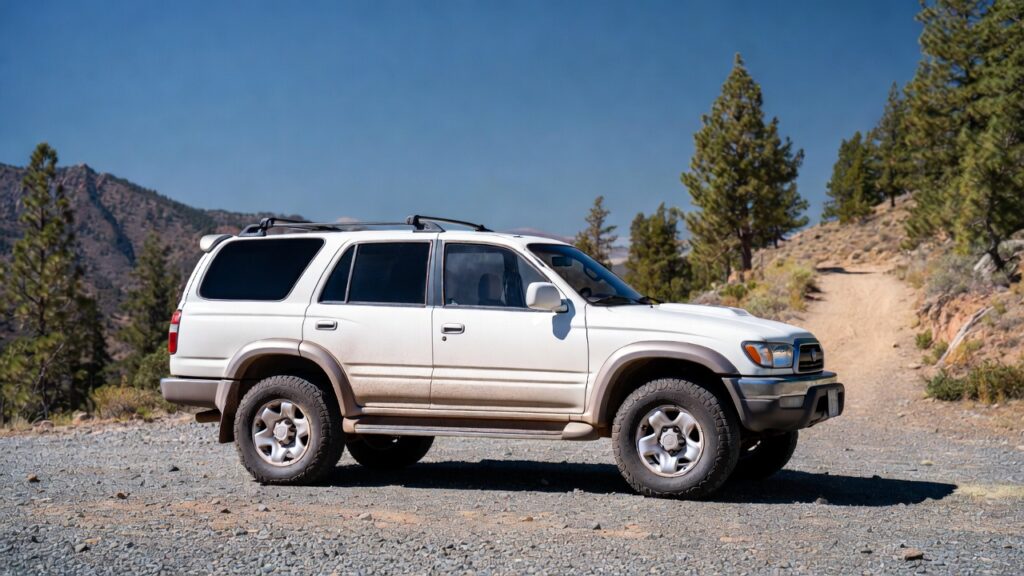
The 1997 Toyota 4Runner belongs to the third generation, often called the 3rd gen 4Runner, produced from 1996 to 2002. Many enthusiasts consider this generation the sweet spot. It combines old-school body-on-frame toughness with improved ride quality and more refined interiors compared to earlier models.
This was a true midsize SUV, not a crossover. It sits on a truck-based platform with solid off-road roots. Ground clearance is around 9 inches in stock form, giving the 97 4Runner off road credibility right from the factory. Safety features reflect 1997 standards. Dual front airbags were available, along with basic anti-lock brakes on some trims. By modern standards, it is simple. By late-1990s standards, it was competitive.
So why do people still talk about it so much today. The answer is actually quite straightforward when you think about it. This SUV is known for being extremely durable it holds its value well over time and many owners have seen it go beyond three hundred thousand miles when it is properly maintained. Vehicles that can last this long are not very common which is why it still stands out.
97 Toyota 4Runner Engine Options and Performance
Toyota offered two engines in 1997. Both have strong reputations, but they serve different types of drivers.
2.7L 4-Cylinder Specs
The base engine was the 2.7L 3RZ-FE inline-four. It produces around 150 horsepower and 177 lb-ft of torque. It is not fast. Acceleration feels modest, especially with passengers or gear. However, this engine is known for reliability and simplicity.
Paired with either a 5-speed manual or 4-speed automatic transmission, it gets slightly better fuel economy than the V6. Many budget buyers prefer this setup for daily driving.
3.4L V6 Specs
The more popular choice is the 3.4L V6 5VZ-FE. This engine makes about 183 horsepower and 217 lb-ft of torque. The difference in power is noticeable. Highway merging feels easier, and towing performance improves significantly. This is the engine most enthusiasts recommend.
It uses a timing belt, not a chain. Toyota recommends replacement roughly every 90,000 miles. If you are evaluating 97 4Runner engine specs, always confirm timing belt history.
Transmission and 4WD System
Transmission options included a 5-speed manual and 4-speed automatic. Both are generally reliable if maintained.
The 97 4Runner 4WD system varies by trim. Some models use a part-time 4WD system, while certain Limited trims offer a multi-mode system with a center differential. This adds flexibility for mixed on-road and off-road use.
Here is a quick comparison.
Engine Specifications
| Engine | Horsepower | Torque | MPG (Est.) | Transmission |
| 2.7L 3RZ-FE | 150 hp | 177 lb-ft | 18 city / 21 hwy | 5MT / 4AT |
| 3.4L 5VZ-FE | 183 hp | 217 lb-ft | 17 city / 20 hwy | 5MT / 4AT |
MPG and Fuel Economy
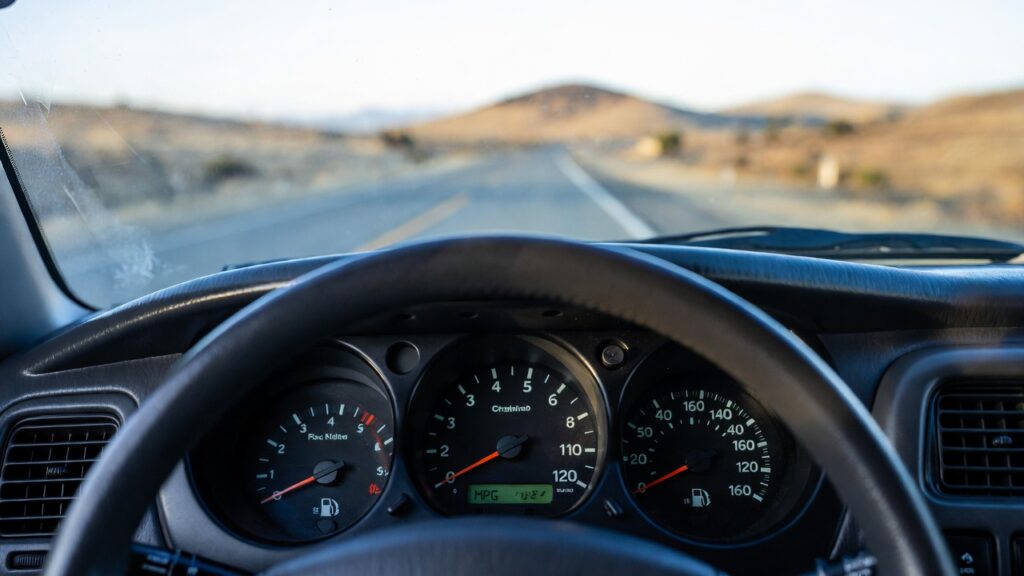
When you look at fuel economy you have to remember this is a body on frame SUV from the nineteen nineties so expectations should stay realistic. The 97 Toyota 4Runner usually delivers around seventeen to eighteen miles per gallon in the city and about twenty to twenty one on the highway depending on which engine and drivetrain you have.
In real life driving most people see somewhere between sixteen and nineteen combined. If you add bigger tires a roof rack or even install a lift kit then fuel usage can go up a bit. The fuel tank holds about eighteen point five gallons which means you can usually drive around three hundred to three hundred fifty miles before needing to refill in mixed conditions.
If saving fuel is your main goal then this might not be ideal but for a tough SUV from that time its efficiency is still fairly reasonable.
97 Toyota 4Runner Towing Capacity
The 97 4Runner towing capacity depends on engine and configuration. Models equipped with the 3.4L V6 can tow up to about 5,000 pounds when properly equipped. Four-cylinder models usually tow closer to 3,500 pounds. Payload capacity averages around 1,200 to 1,500 pounds depending on trim.
Towing performance is influenced by maintenance condition, cooling system health, and whether the vehicle has factory towing equipment. Always verify brake condition and suspension wear before hauling. For small boats, utility trailers, or lightweight campers, the V6 version is more suitable.
Reliability and High-Mileage Durability
This is the area where the 97 4Runner really builds its strong reputation among owners. Many vehicles easily cross two hundred fifty thousand miles and reaching three hundred thousand is not something unusual when the vehicle is taken care of properly. The 3.4 liter V6 engine is especially known for lasting a long time while the 2.7 liter engine is also reliable but can feel a bit weaker as miles increase.
Transmissions usually hold up well too as long as fluids are changed regularly which becomes even more important for automatic versions. If you are looking at a high mileage example it can still be a good purchase but only if there are proper service records available.
Things like regular oil changes timing belt replacements and cooling system work should always be checked. One more advantage is that parts are still easy to find in the United States and both original and aftermarket options are widely available at fair prices.
Common Problems to Watch For
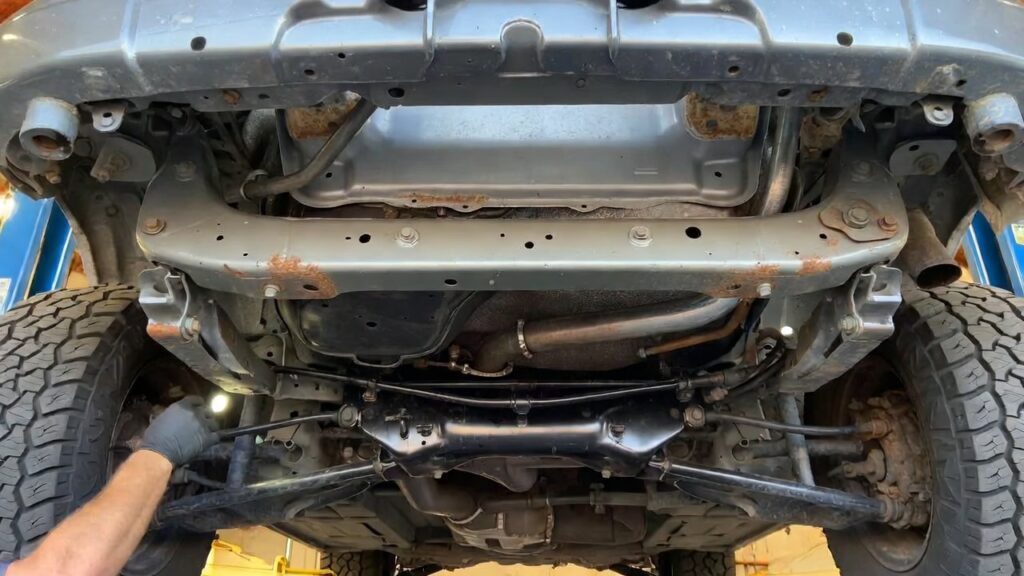
No vehicle is perfect. Understanding 97 4Runner common problems helps you avoid expensive surprises. Frame rust is the biggest concern in northern states. Toyota 4Runner frame rust can compromise structural integrity if left untreated.
Lower ball joints are another known issue. A failing 4Runner lower ball joint can cause steering instability and, in severe cases, separation. The 97 4Runner timing belt must be replaced on schedule. Ignoring it risks engine damage.
Exhaust manifold cracks, worn suspension bushings, and aging radiators also appear on higher-mileage examples.
Common Problems and Repair Costs
| Problem | Symptoms | Repair Cost (USD) | Urgency |
| Frame rust | Visible corrosion, weak spots | $1,000–$4,000+ | High |
| Lower ball joint wear | Clunking, loose steering | $300–$700 | High |
| Timing belt overdue | No record, high mileage | $600–$1,000 | High |
| Exhaust manifold crack | Ticking noise | $400–$900 | Medium |
| Radiator failure | Overheating | $250–$600 | High |
| Suspension bushings | Rough ride | $300–$800 | Medium |
97 Toyota 4Runner Trim Levels
Toyota offered several trims, including Base, SR5, and Limited.
Base
The base model is simple. Cloth seats, fewer power features, and minimal extras define it. It is lighter and sometimes preferred by off-road purists who plan modifications.
SR5
The 97 Toyota 4Runner SR5 adds convenience features. Power windows, better interior materials, and upgraded wheels are common. Many buyers find this trim balances price and comfort well.
Limited
The 97 Toyota 4Runner Limited or Toyota 4Runner 97 Limited includes leather seats, woodgrain interior accents, and sometimes the multi-mode 4WD system. It feels more upscale. Prices are often higher on the used market.
Trim Level Comparison
| Feature | Base | SR5 | Limited |
| Power Windows | Optional | Yes | Yes |
| Leather Seats | No | No | Yes |
| Multi-mode 4WD | No | Some | Yes |
| Alloy Wheels | Basic | Upgraded | Premium |
97 Toyota 4Runner Value in 2026 (USA)
A 1997 Toyota 4Runner is typically worth between $3,000 and $9,000 in the USA in 2026. Price depends on mileage, condition, drivetrain, and maintenance history. Low-mileage V6 4WD models in rust-free condition command the highest resale values.
Private party prices are usually lower than dealer listings. Clean examples with under 150,000 miles can approach the upper end of the range.
Here is a practical breakdown.
2026 Market Value by Mileage
| Mileage Range | Private Price | Dealer Price | Condition |
| Under 150k | $7,000–$9,000 | $8,000–$10,000 | Excellent |
| 150k–200k | $5,000–$7,000 | $6,000–$8,000 | Good |
| 200k–250k | $3,500–$5,000 | $4,500–$6,000 | Fair |
| 250k+ | $3,000–$4,000 | $3,500–$5,000 | Varies |
The used 97 4Runner price also depends on region. Rust-free southern vehicles often command a premium.
Ownership Costs and Maintenance
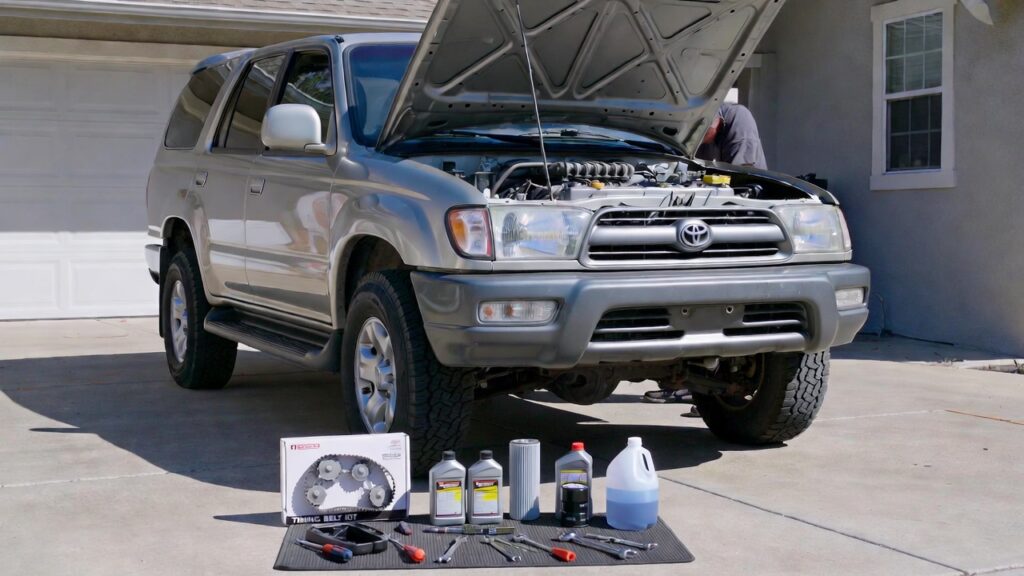
Maintenance is straightforward but not free. Timing belt service runs between $600 and $1,000 depending on labor rates.
Suspension refreshes, especially on high-mileage vehicles, may cost $500 to $1,500 if shocks and bushings are replaced. Insurance is generally affordable. Many drivers pay between $600 and $1,000 per year depending on location and coverage.
Here is a quick inspection list you can use when evaluating a vehicle.
Buyer Inspection Checklist
| Item to Check | Why It Matters | Pass/Fail |
| Frame condition | Structural safety | |
| Timing belt record | Prevent engine damage | |
| Ball joints | Steering safety | |
| Transmission shifts | Avoid costly repair | |
| Cooling system | Prevent overheating |
This 97 4Runner inspection checklist can save you thousands if used carefully.
Pros and Cons of the 97 Toyota 4Runner
Pros:
- Excellent durability
- Strong resale value
- Capable off-road
- Reliable V6 engine
- Good parts availability
Cons:
- Aging safety features
- Rust concerns
- Average fuel economy
- Limited modern tech
97 Toyota 4Runner vs Similar SUVs
The 97 4Runner vs Cherokee comparison often comes up. Late-1990s Jeep Cherokee models offer solid off-road capability but typically have lower long-term reliability. The 97 4Runner vs Pathfinder debate is similar. The Nissan Pathfinder provides decent comfort, but resale value and longevity usually favor the Toyota.
If reliability and resale matter most, the 4Runner often wins.
Is the 97 Toyota 4Runner Still Worth Buying?
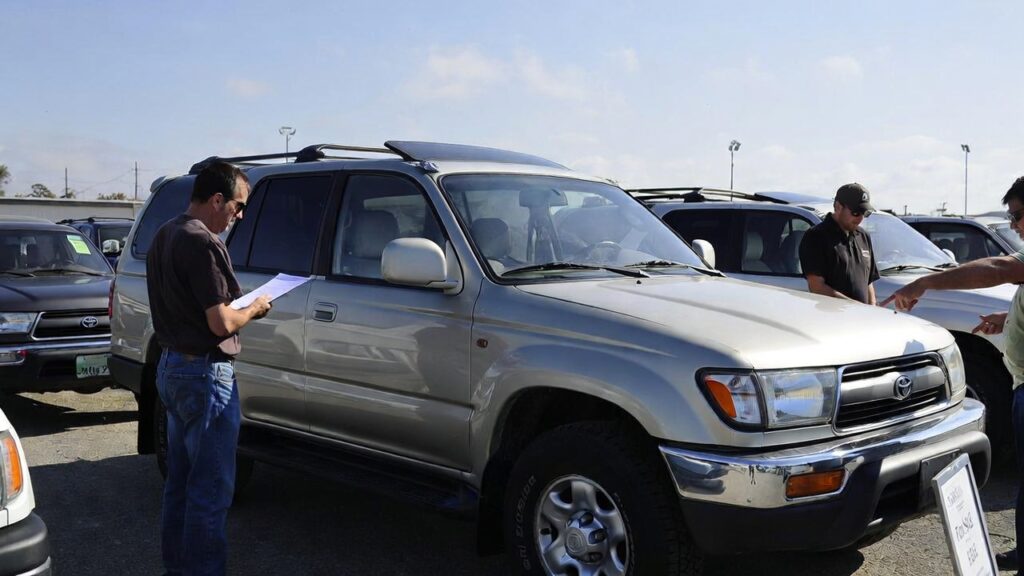
Yes, for the right buyer.
If you want a dependable, body-on-frame SUV and are comfortable with older technology, this model makes sense. It is especially appealing if you plan to modify it with a 97 Toyota 4Runner lift kit or use it for camping and trail driving. Avoid it if you expect modern safety features or high fuel efficiency. Also walk away from heavily rusted examples.
For many budget-conscious buyers, it remains one of the best used SUV values.
Conclusion
The 97 Toyota 4Runner remains a strong option for buyers who value durability over modern luxury. Focus on rust-free examples with documented maintenance, especially timing belt service. Expect to pay more for clean V6 4WD models, but they hold value well. If you find a well-maintained one, schedule a thorough inspection and move quickly. Good examples do not stay on the market long.
Sources:
FAQs
What is the bad year for 4Runners?
Some Toyota 4Runner years had more issues than others. The models from the early 2000s especially around 2003 to 2005 are often mentioned because of frame rust problems in some regions. Most other years are considered more stable and reliable so it is important to check condition instead of only focusing on the year.
How many miles will a 1997 Toyota 4Runner last?
A 1997 Toyota 4Runner can easily last between 250,000 to 350,000 miles if it is properly maintained. Some owners even report higher mileage when regular oil changes and timing belt service are done on time.
How much is a 1997 4Runner worth?
A 1997 4Runner usually sells between 3,000 to 9,000 dollars in 2026. The price depends on mileage condition drivetrain and whether the vehicle has rust or not.
Is the 1997 4Runner reliable?
Yes the 1997 4Runner is known for strong reliability. Both engine options are durable and the SUV can run for many years if it is serviced regularly and taken care of properly.
Which 4Runner to stay away from?
You should avoid any 4Runner that has heavy frame rust poor maintenance history or missing service records. Even a good model year can become a bad choice if it was not cared for properly.
How much is a 1997 Toyota worth?
A 1997 Toyota 4Runner specifically is usually worth around 3,000 to 9,000 dollars depending on condition mileage and location. Clean low mileage models cost more.
What would 1000 dollars in 1997 be worth today?
One thousand dollars in 1997 is roughly equal to about two thousand dollars today. The exact value can change slightly depending on inflation calculations.
What Toyota holds the most value?
Toyota models like the Land Cruiser Tacoma and 4Runner hold strong resale value. These vehicles are known for durability which keeps their prices higher in the used market.
What is the 30-60-90 rule for cars?
The 30-60-90 rule means you should inspect and maintain your car at 30 days 60 days and 90 days after purchase or service. It helps catch early issues and keeps the car in good condition over time.