

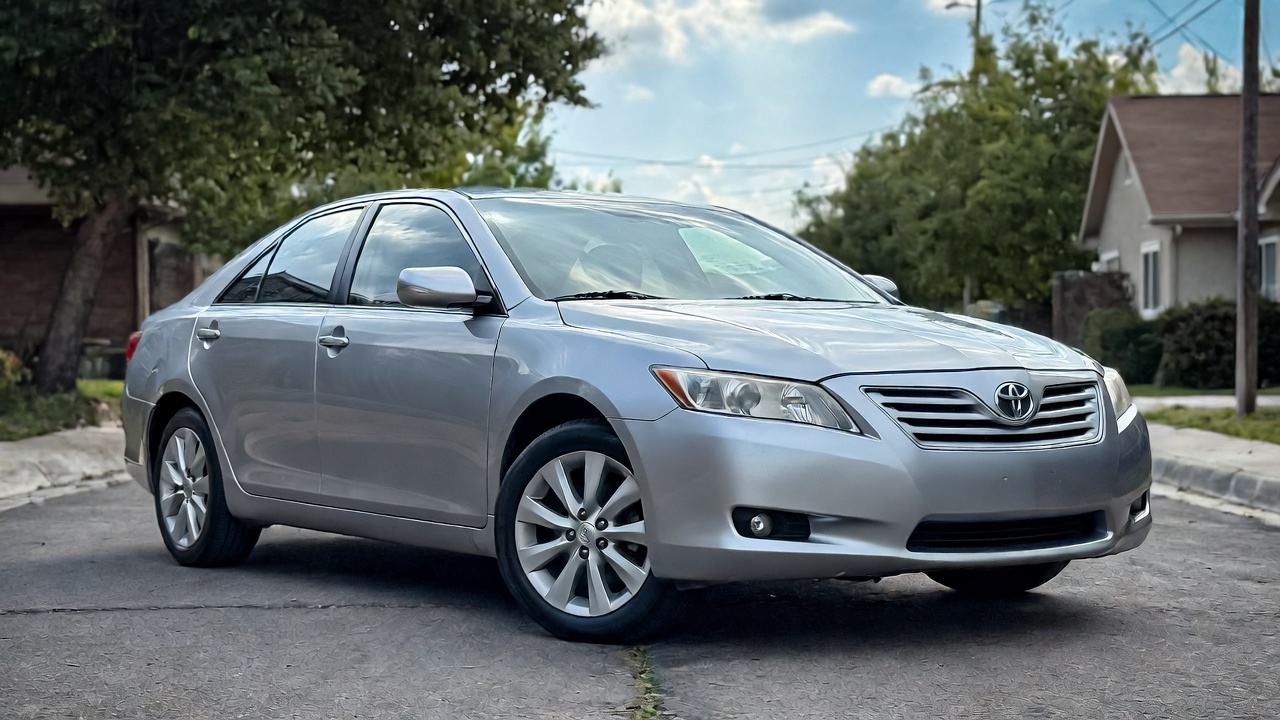
Shopping for a reliable used hybrid can feel risky. You want fuel savings, but you do not want a surprise battery bill. That is exactly why many buyers research the 2009 Toyota Camry Hybrid before making a decision.
This Toyota Camry Hybrid 2009 model sits in a sweet spot: affordable, comfortable, and generally dependable. But it is also over 15 years old now, so condition matters more than the badge.
Overview
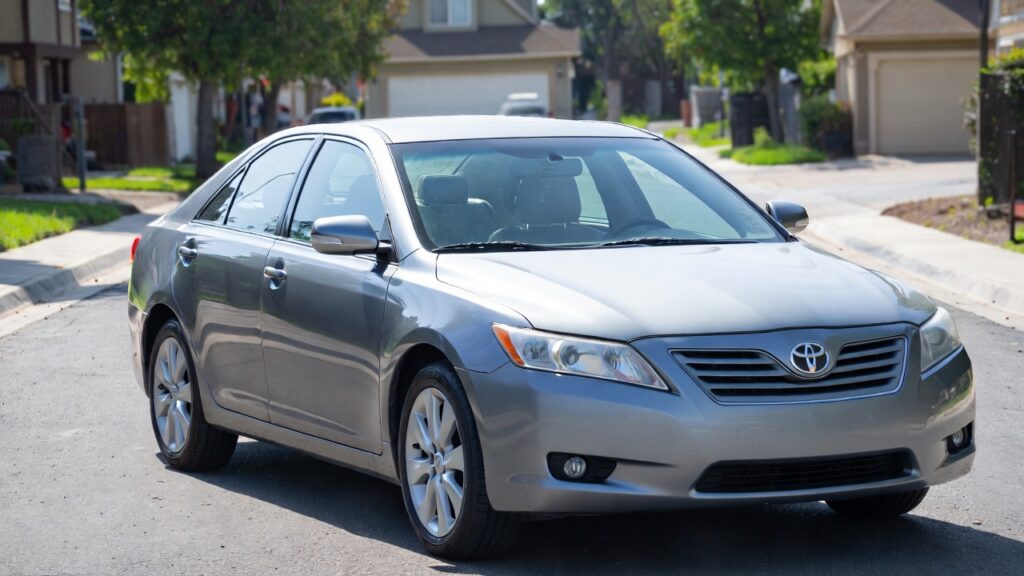
The 2009 Toyota Camry Hybrid sedan blends a traditional midsize family car with Toyota hybrid technology. It was built for commuters who wanted better fuel economy than the standard four-cylinder Camry, without going full Prius. Under the hood sits a 2.4L hybrid engine paired with an electric motor. The system produces around 187 combined horsepower, which was strong for a hybrid sedan at the time.
Compared to the Prius, this car feels more conventional. It looks like a regular Camry, drives like a regular Camry, and offers more rear-seat space. That makes it attractive to Uber drivers and families looking for a hybrid commuter car.
2009 Toyota Camry Hybrid Specs
If you are evaluating this car seriously, you need the numbers first.
Engine and Hybrid System
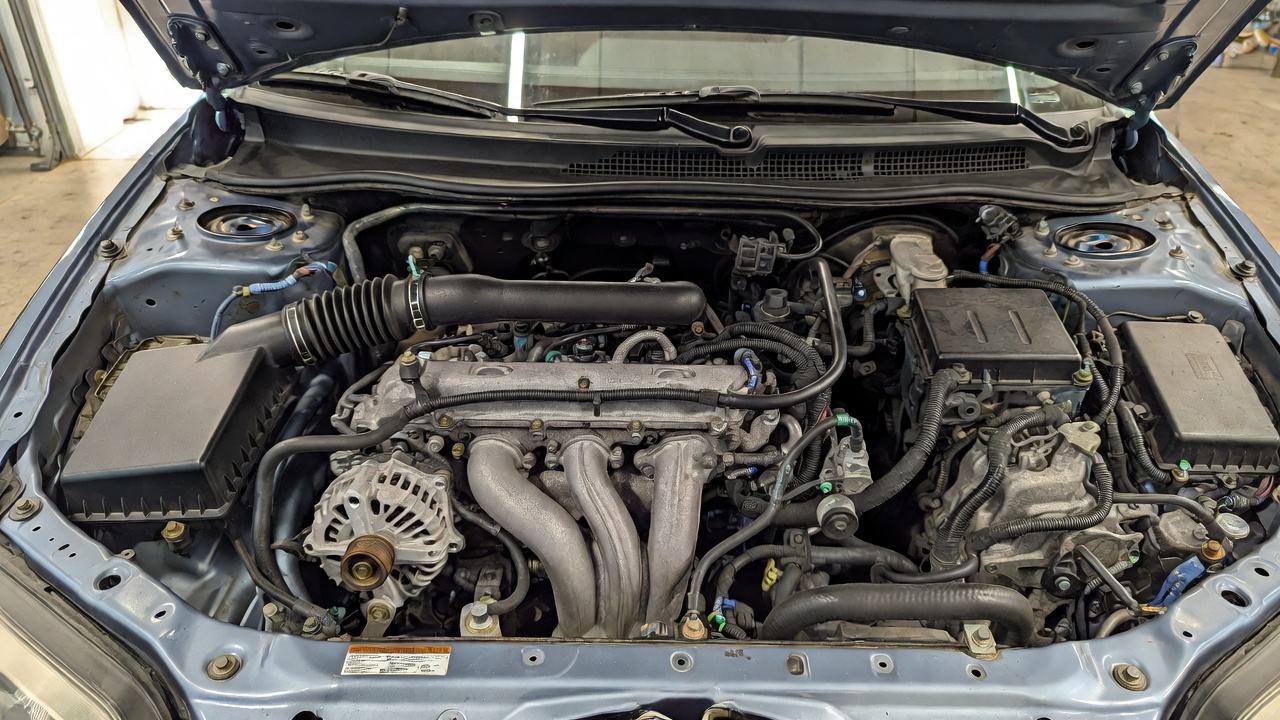
The 2009 Toyota Camry Hybrid specs include a 2.4-liter four-cylinder gasoline engine paired with an electric motor and nickel-metal hydride battery pack. Power is sent through an electronically controlled CVT, often called an eCVT. This setup delivers smooth acceleration and excellent efficiency for its size.
Performance and Acceleration
For a midsize hybrid in 2009, performance was impressive. Camry hybrid 0-60 times are around 8.9 seconds. That is quicker than many older hybrids and more than enough for highway merging. It feels responsive off the line thanks to electric torque. Drivers coming from a standard four-cylinder Camry will notice the extra low-speed pull.
Fuel Economy: EPA vs Real World
Official ratings for the 2009 Toyota Camry Hybrid mpg are 33 city and 34 highway, with a combined rating around 33 MPG. Real-world results typically fall between 30 and 35 MPG depending on driving style. The 2009 Toyota Camry Hybrid fuel economy still holds up well compared to many non-hybrid sedans from the same era.
Here is a quick reference table.
2009 Toyota Camry Hybrid Specifications
| Feature | Specification |
| Engine | 2.4L inline-4 + electric motor |
| Combined Horsepower | 187 hp |
| MPG (EPA) | 33 city / 34 highway |
| 0-60 mph | ~8.9 seconds |
| Transmission | eCVT |
| Drivetrain | Front-wheel drive |
For buyers comparing Toyota Camry 2009 Hybrid mpg numbers to a gas-only model, expect roughly 8 to 12 MPG better in mixed driving.
Interior, Comfort and Safety
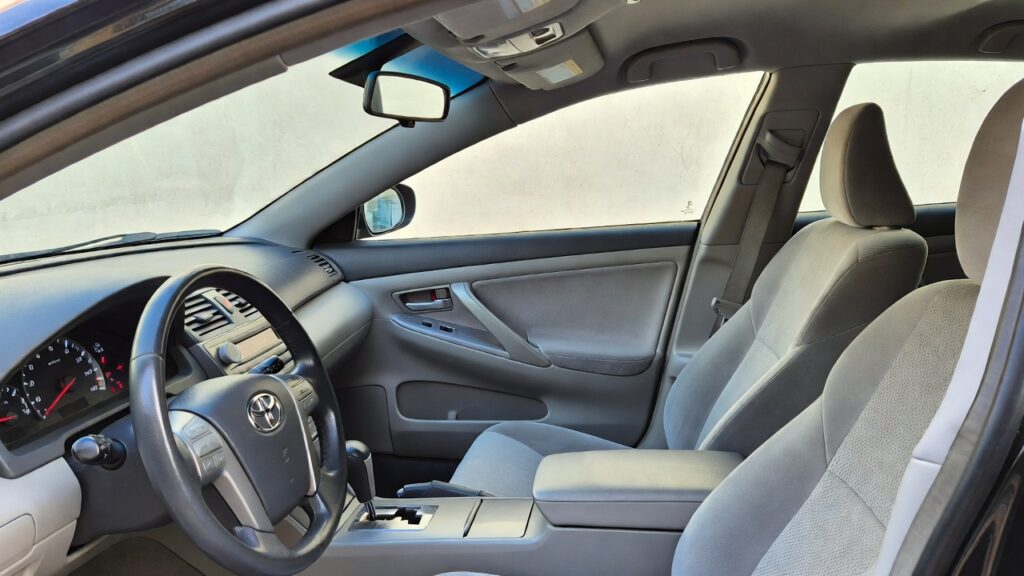
Step inside and you will find a typical 2009 Camry interior. That means practical layout, clear gauges, and solid ergonomics. Materials are decent but not luxury-grade. After 15 years, check for worn seat bolsters and fading buttons. Interior wear issues are common on high-mileage examples, especially former ride-share cars.
Safety was strong for its time. The car earned good crash ratings and includes stability control, anti-lock brakes, and multiple airbags. For a budget hybrid sedan under 5000 dollars, that safety package is still respectable. Rear seat space beats the Prius from the same era. Trunk space is slightly reduced because of the battery pack, but still usable for groceries or airport runs.
Reliability and Longevity
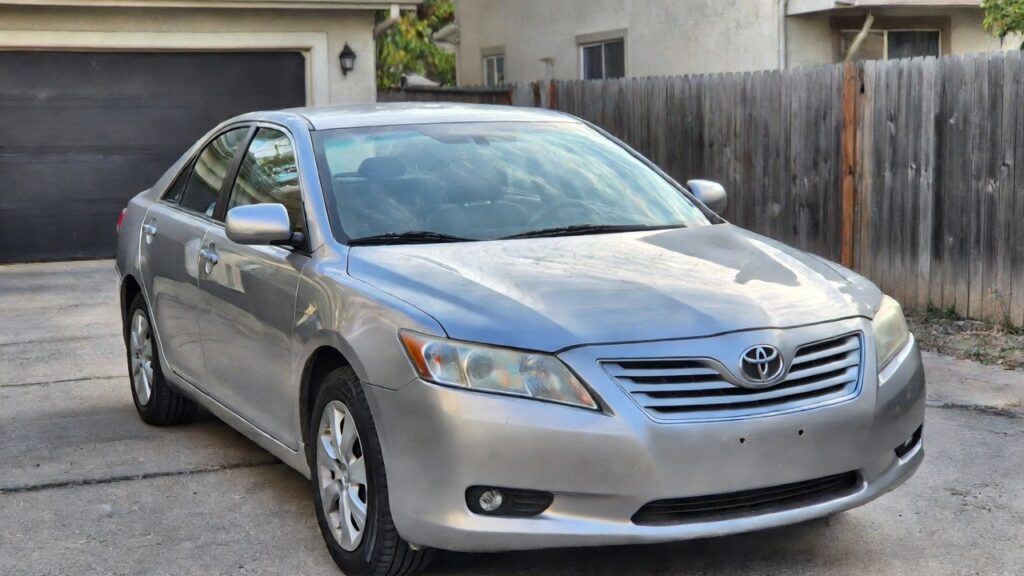
Most buyers ask the same thing first: is it reliable?
The 2009 Toyota Camry Hybrid is generally considered reliable, with many models lasting over 200,000 miles. The hybrid system is durable, but buyers should watch for ABS actuator failures and aging battery packs. Proper maintenance significantly improves long-term ownership experience.
Toyota hybrid longevity has a strong reputation overall. Many owners report camry hybrid 200k miles examples still running well with original drivetrains. Electrical issues can appear with age, especially related to sensors and dashboard components. However, catastrophic engine failures are rare if maintenance has been done. Owner feedback in many used Camry Hybrid review discussions consistently highlights smooth driving and low fuel costs as major positives.
Common Problems and Repair Costs
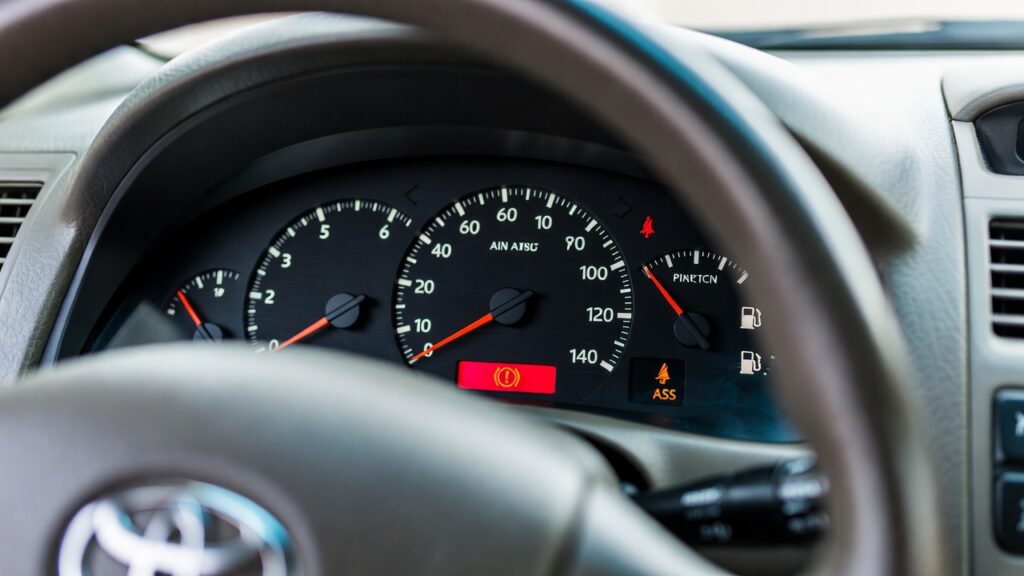
No 15-year-old car is perfect. The key is knowing what to check.
One well-known camry hybrid abs problem involves the brake actuator. If it fails, you may hear buzzing or experience warning lights. Repair costs can range from 1,200 to 2,000 dollars. Hybrid battery degradation is another concern. We will cover that in detail next. Brake wear can also be uneven. While regenerative braking reduces pad wear, electronic brake components can be expensive if they fail.
Here is a breakdown.
Common Problems And Repair Costs
| Problem | Symptoms | Repair Cost (USA) | Severity |
| ABS actuator failure | Warning lights, buzzing noise | $1,200–$2,000 | High |
| Hybrid battery aging | Reduced MPG, warning light | $2,000–$4,000 | High |
| Brake actuator issue | Soft pedal feel | $800–$1,500 | Medium |
| Dashboard cracking | Visible cracks | Cosmetic | Low |
| Inverter cooling pump | Overheating warning | $400–$900 | Medium |
| Suspension wear | Clunks over bumps | $300–$1,000 | Medium |
Hybrid warning signs to watch include sudden drops in MPG, battery warning lights, and cooling fan running excessively from the rear seat area.
Hybrid Battery Life and Replacement Cost
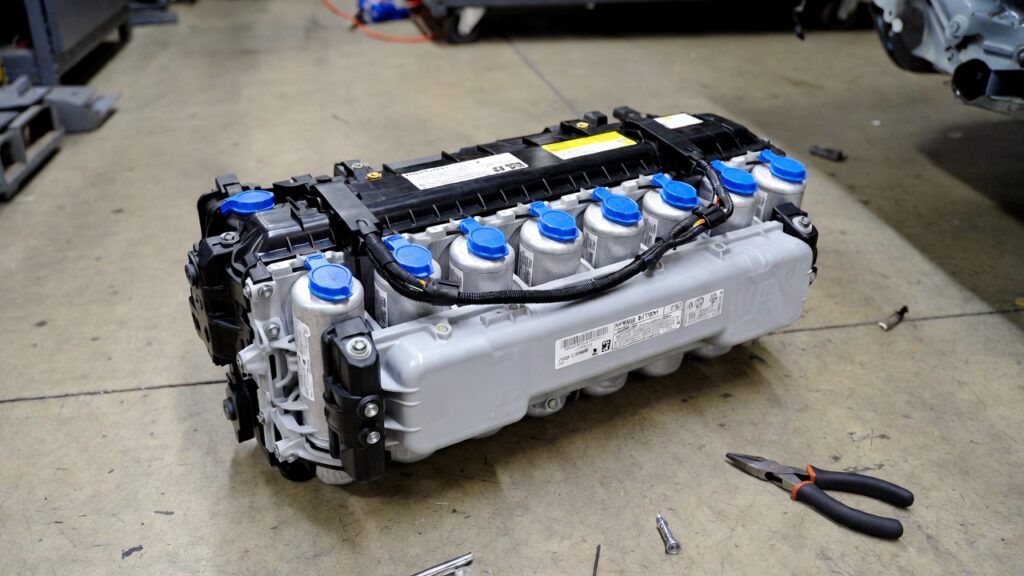
The 2009 Toyota Camry Hybrid battery typically lasts 8 to 15 years or 150,000 to 250,000 miles. Climate and driving habits play a big role. If you are buying now in 2026, many original batteries are at or beyond expected lifespan. That does not mean automatic failure, but risk increases with age. The 2009 Toyota Camry Hybrid battery replacement cost ranges from 2,000 to 4,000 dollars installed in the United States. Remanufactured packs are cheaper. New OEM batteries cost more.
Toyota Camry 2009 Hybrid battery price in the UK varies, but expect roughly £1,800 to £3,500 depending on supplier and labor. Is hybrid battery replacement worth it? If the car is otherwise solid and priced correctly, yes. A healthy body and drivetrain with a fresh battery can still deliver years of use. Original toyota hybrid warranty coverage was 8 years or 100,000 miles in many regions, longer in some states. That coverage is long expired for most examples today.
Maintenance, Fuel Savings and Ownership Costs
Camry hybrid maintenance cost is generally moderate. Oil changes, filters, and basic services are similar to a regular Camry. Major hybrid system repair cost is rare but expensive if it happens. That is why inspection matters. Insurance is usually affordable. Camry hybrid insurance cost tends to be similar to a standard midsize sedan. Now let us look at fuel savings math. Assume 12,000 miles per year.
At 33 MPG, you use about 364 gallons annually. A gas Camry at 24 MPG would use about 500 gallons. That is roughly 136 gallons saved each year. If fuel costs 3.50 dollars per gallon, that equals about 476 dollars saved per year. Over five years, savings approach 2,380 dollars. Cost per mile difference is meaningful for commuters and ride-share drivers.
2026 Used Market Pricing (USA & UK)
Prices depend heavily on mileage and condition.
The 2009 Toyota Camry Hybrid value in 2026 typically falls between 4,000 and 8,500 dollars in the United States. In the UK, prices generally range from £3,000 to £6,500 depending on mileage and service history.
2026 Used Market Pricing
| Mileage Range | USA Price | UK Price | Dealer vs Private |
| 80k–120k | $7,000–$8,500 | £5,500–£6,500 | Dealer higher |
| 120k–160k | $5,500–$7,000 | £4,500–£5,500 | Mixed |
| 160k–200k | $4,500–$6,000 | £3,800–£4,800 | Private common |
| 200k+ | $4,000–$5,000 | £3,000–£4,000 | Mostly private |
If you see a 2009 Toyota Camry Hybrid for sale priced well below market, verify battery health immediately. Resale value trends show stable demand because of fuel efficiency and Toyota reputation. UK buyers should also check local emissions rules and any tax benefits for hybrids, though older models may not qualify for major incentives.
Camry Hybrid vs Prius and Gas Camry
Camry vs Prius comparisons come up often.
Camry Hybrid vs Prius Comparison
| Feature | Camry Hybrid | Prius |
| MPG | 33 combined | 46 combined |
| Space | Larger rear seat | Smaller |
| Reliability | Very good | Excellent |
| Price (used) | $4k–$8k | Similar range |
| Comfort | Softer ride | Firmer |
The Prius wins on fuel economy. The Camry wins on comfort and traditional sedan feel Comparing Toyota Camry 2009 Hybrid to a gas-only Camry, you gain better MPG but accept added hybrid system complexity. Camry hybrid vs Accord Hybrid from that era? The Camry generally has stronger reliability history.
Buying Advice and Inspection Checklist
Mileage to avoid is not a strict number, but over 200,000 miles requires careful inspection. A well-maintained 180,000-mile example may be safer than a neglected 130,000-mile car.
Here is a practical camry hybrid buyer checklist:
- Check for hybrid warning lights on startup.
- Listen for excessive brake actuator noise.
- Review full service history.
- Verify battery performance through diagnostic scan.
- Inspect suspension and underbody rust.
Ask the seller about previous hybrid battery replacement. If it has already been replaced, that can be a strong selling point. For first-time hybrid buyers, paying for a pre-purchase inspection is money well spent.
Conclusion
The 2009 Toyota Camry Hybrid remains a smart option for budget-conscious drivers who want a fuel-efficient midsize sedan. Expect 30 to 35 MPG, solid comfort, and strong long-term durability.
Battery condition and brake system health are the deciding factors. Verify both before purchase. If priced between 4,000 and 6,500 dollars with good records, it can still be a financially sensible commuter choice in 2026. Your next step should be a thorough inspection and battery health check before negotiating.
Sources:
- Toyota official specifications archives
- Kelley Blue Book valuation data
- Owner reports and reliability databases
FAQs
Is the 2009 Toyota Camry Hybrid any good?
Yes, it is generally a solid used hybrid sedan with good fuel economy and comfortable ride quality. Reliability is strong for its age, but battery condition and brake system health are critical factors before buying.
What are common problems with the 2009 Camry Hybrid?
Common issues include ABS actuator failure, aging hybrid batteries, and occasional inverter cooling pump problems. Most engine components are durable, but electronic and brake-related repairs can be expensive.
What is the lifespan of a Toyota Camry hybrid battery?
Most hybrid batteries last 8 to 15 years or 150,000 to 250,000 miles. Climate, driving style, and maintenance all affect lifespan. Many original batteries are still functioning, but replacement risk increases with age.
How much is a 2009 Camry Hybrid worth?
In 2026, values range from about $4,000 to $8,500 in the United States depending on mileage and condition. UK prices generally fall between £3,000 and £6,500.
Is it worth replacing a Toyota hybrid battery?
If the vehicle is structurally sound and priced correctly, replacing the battery can make sense. A new or remanufactured battery can extend usable life several years, often at lower cost than buying another vehicle.
What is the best year for a Toyota Camry Hybrid?
Later model years like 2012 and newer benefit from updated technology and refinements. However, the 2009 model remains attractive due to lower entry price and proven drivetrain.
What are the disadvantages of a Toyota Camry Hybrid?
Potential battery replacement cost, complex brake components, and lower MPG compared to a Prius are key drawbacks. Age-related electrical issues may also appear on high-mileage examples.
Are older Camrys worth buying?
Yes, many older Camrys are known for durability. Proper maintenance and inspection are more important than age alone. Hybrid versions require extra attention to battery condition.
What is the best year of a Toyota Camry to buy used?
Many buyers prefer 2012 to 2014 for updated styling and reliability improvements. Budget-focused shoppers still find strong value in well-maintained 2009 models.