

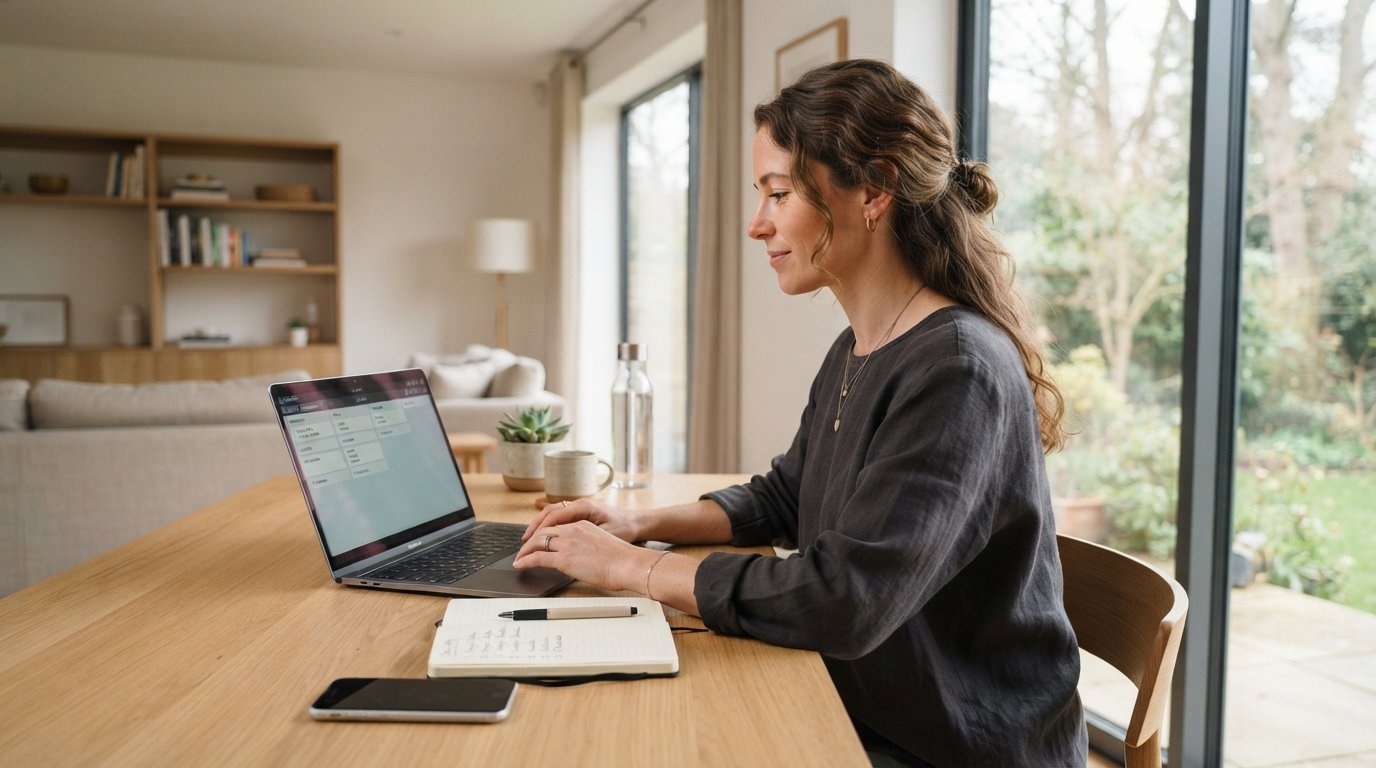
Modern life can become complicated without us noticing. Homes collect unused things, phones fill with notifications, schedules become crowded, and everyday decisions can consume more attention than they deserve.
Simpciry is an emerging online concept associated with simplicity, clarity, intentional living, and reducing unnecessary complexity. It can be applied to your home, routines, technology, spending, work, and relationships.
The idea is not to remove everything from your life. Instead, it encourages you to identify what genuinely adds value and reduce what creates unnecessary noise.
What Is Simpciry?
Simpciry can be understood as an approach to intentional simplicity.
It focuses on making thoughtful choices about what deserves your:
- Time
- Attention
- Money
- Energy
- Space
- Commitment
For example, practicing Simpciry might mean removing unused possessions, simplifying a daily routine, turning off unnecessary notifications, avoiding impulse purchases, or creating more room for meaningful relationships.
The concept is closely related to simple living, mindful living, intentional living, and minimalism. However, Simpciry does not have one universally accepted formal definition. Current online usage varies, so it is better understood as an emerging concept rather than a standardized academic philosophy.
A useful question captures the idea:
What can I simplify without removing what genuinely matters?
What Does Simpciry Mean?
The word is generally used online to describe a way of approaching life with greater simplicity and intention.
Instead of automatically adding more—more possessions, apps, commitments, purchases, or distractions—Simpciry encourages you to pause and decide whether something actually improves your life.
This can involve:
- Keeping possessions that are useful or meaningful
- Creating simpler routines
- Reducing digital distractions
- Spending more intentionally
- Organizing your surroundings
- Setting healthier boundaries
- Focusing on important priorities
- Choosing function over unnecessary complexity
The goal isn’t to make life empty. It is to make life more deliberate.
Is Simpciry a Real Word?
Simpciry appears to be a relatively new coined term rather than a standard dictionary word with one universally recognized definition.
Current websites use the term in slightly different ways. Some emphasize minimalist interiors, while others apply it to technology, finance, routines, relationships, productivity, and everyday decision-making.
That distinction is important.
The underlying ideas—simplicity, mindful choices, intentional living, and reducing excess—are not new. What is newer is the use of Simpciry as a label for bringing those ideas together.
So it is more accurate to describe Simpciry as an emerging lifestyle concept than to present it as a formally established philosophy with fixed rules.
The Core Principles of Simpciry
Although there is no official rulebook, several ideas appear repeatedly in current descriptions of Simpciry.
1. Choose Clarity Over Clutter
Clutter isn’t limited to physical objects.
Your calendar, inbox, phone, finances, and commitments can become cluttered too.
The first principle is to notice what creates unnecessary complexity and determine whether it deserves to remain.
2. Choose Intention Over Impulse
A simple life doesn’t require avoiding every purchase or opportunity.
Instead, ask why you’re making a particular choice.
Before buying something, accepting another commitment, or downloading another app, consider whether it provides meaningful value.
3. Choose Function Over Excess
Useful things can remain.
Simpciry isn’t about owning the fewest possible possessions. A comfortable chair, books you enjoy, photographs, plants, or decorative objects can all belong in a simple environment if they serve a purpose or have personal meaning.
4. Focus on What Matters
Simplicity becomes more useful when it creates space for important things.
That might mean:
- Family
- Friends
- Health
- Creativity
- Learning
- Rest
- Work
- Personal goals
The objective is not simply to have less. It is to have fewer distractions competing with what matters.
5. Avoid Extremes
Simpciry does not require an empty home, a technology-free lifestyle, or a strict routine.
A balanced approach allows modern conveniences and personal preferences while removing unnecessary complexity.
Simpciry vs. Minimalism: What’s the Difference?
Simpciry and minimalism overlap, but they are not necessarily identical.
Minimalism is commonly associated with reducing excess possessions and focusing on what is useful, meaningful, or essential.
Simpciry can be broader. It may include physical possessions, but it can also address:
- Digital distractions
- Spending
- Daily routines
- Time
- Relationships
- Work
- Personal commitments
- Attention
In simple terms:
Minimalism often asks:
“What can I remove?”
Simpciry can ask:
“What can I simplify while preserving what matters?”
There is considerable overlap between the two, but Simpciry can be used as a broader framework for intentional simplicity.
Simpciry and Interior Design
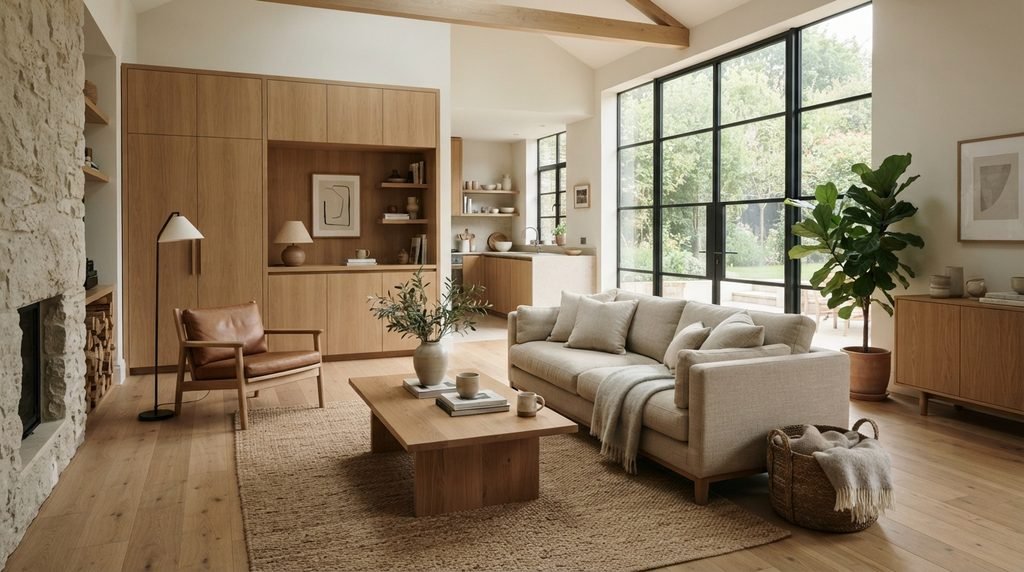
Interior design is one of the most visible applications of the concept.
A Simpciry-inspired room generally prioritizes:
- Functionality
- Open space
- Useful furniture
- Organized storage
- Natural light
- Restrained decoration
- Comfortable layouts
- Personal meaning
This does not mean every room has to be white, empty, or completely minimalist.
A simple room can still include artwork, books, plants, family photographs, colorful objects, or other personal details.
The important question is whether the space feels functional and intentional rather than unnecessarily crowded.
How to Create a Simpciry-Inspired Home
You don’t need to renovate your entire home.
Start with one room.
Remove What You Don’t Use
Look at items that haven’t been used for months.
Ask:
- Do I use this?
- Does it have genuine sentimental value?
- Would I replace it if it disappeared?
- Is it creating unnecessary work?
Keep the answers that matter and gradually reduce the rest.
Improve Storage
Good storage doesn’t mean hiding everything.
It means making frequently used items easy to find while preventing unnecessary visual clutter.
Use shelves, drawers, baskets, cabinets, and other practical solutions that suit the space.
Keep Useful Furniture
Choose furniture based on how you actually live.
A multifunctional table, storage bed, or comfortable chair can be more useful than several decorative pieces that serve little purpose.
Use Light Thoughtfully
Natural light can make a room feel more open.
Where appropriate, keep windows unobstructed and use lighting that matches the purpose of each room.
Keep Personal Details
A simple space should still feel like yours.
Photographs, artwork, plants, books, and meaningful objects can add personality without overwhelming the room.
Simpciry Beyond the Home
One of the biggest opportunities with Simpciry is applying the concept outside interior design.
Digital Life
Phones and computers can create a different kind of clutter.
Consider:
- Removing unused apps
- Turning off unnecessary notifications
- Organizing important files
- Unsubscribing from unwanted emails
- Limiting distracting apps
- Keeping only useful digital tools
The goal isn’t to abandon technology.
It’s to make technology work for you rather than constantly competing for your attention. Current Simpciry-related guidance also emphasizes purposeful technology use and digital boundaries.
Daily Routines
A complicated routine can make ordinary tasks harder than necessary.
Look for repeated steps that provide little value.
You might simplify by:
- Preparing things the night before
- Using a short morning routine
- Grouping similar tasks
- Reducing unnecessary appointments
- Creating consistent places for important items
Small changes can make daily life easier to manage.
Finances
Financial simplicity means making money decisions easier to understand and more intentional.
This can include:
- Tracking regular expenses
- Canceling unused subscriptions
- Automating important payments
- Creating a realistic budget
- Saving for meaningful goals
- Avoiding unnecessary impulse purchases
The purpose isn’t necessarily to spend as little as possible. It is to understand where your money goes and make choices that support your priorities. Simpciry’s own finance content emphasizes budgeting, saving, debt management, and aligning financial decisions with personal goals.
Relationships
Simplicity can also involve your social life.
That might mean spending more time with people who matter and setting boundaries around relationships or commitments that consistently consume time without adding meaningful value.
This doesn’t mean cutting people out simply because life should be “minimal.”
It means being intentional about how you spend your social energy.
Work and Productivity
Doing more isn’t always the same as being productive.
A simpler approach can involve:
- Identifying your most important tasks
- Reducing unnecessary meetings
- Organizing your workspace
- Limiting distractions
- Using fewer but more useful productivity tools
- Finishing important work before adding more tasks
The focus is on meaningful output rather than constant activity.
Benefits of Practicing Simpciry
The potential benefits depend on how someone applies the concept, but simplifying unnecessary complexity can make everyday life easier to manage.
Possible benefits include:
Less Physical Clutter
A more organized environment can make frequently used items easier to locate and maintain.
Greater Focus
Reducing unnecessary interruptions can create more room for concentrated work and meaningful activities.
More Intentional Spending
Thinking before purchasing can reduce unnecessary consumption and make financial priorities clearer.
Simpler Routines
Removing unnecessary steps can make everyday tasks more manageable.
Better Use of Space
A simpler home can prioritize the furniture, storage, and objects that are genuinely useful.
More Control Over Technology
Reducing unnecessary notifications and apps can help you decide when and how you engage with digital tools.
The important point is that Simpciry isn’t a guaranteed solution to stress or every personal problem. Its value comes from using simplicity as a practical way to make decisions that better match your circumstances and priorities.
How to Start Practicing Simpciry
You don’t need to change your entire life overnight.
Try this five-step approach.
Step 1: Identify the Source of Complexity
Choose one area that currently feels unnecessarily complicated.
It could be your:
- Bedroom
- Phone
- Schedule
- Inbox
- Spending
- Workspace
Step 2: Decide What Actually Matters
Write down what you want that area to accomplish.
For example, your bedroom may need to provide comfort and rest—not storage for every item you have accumulated.
Step 3: Remove One Layer of Excess
Don’t try to eliminate everything.
Remove one category of unnecessary items, commitments, or distractions.
Step 4: Simplify the System
Once you’ve removed the excess, make the remaining system easier to maintain.
Create a storage location, routine, budget category, or notification rule that prevents the same problem from returning.
Step 5: Review Regularly
Simplicity isn’t a one-time decluttering project.
New possessions, apps, commitments, and habits can accumulate again.
A short monthly review can help you keep unnecessary complexity under control.
Common Simpciry Mistakes to Avoid
Treating Simpciry as Extreme Minimalism
You don’t have to own almost nothing.
A simple lifestyle can still include comfort, hobbies, technology, collections, and sentimental objects.
Removing Things Without a Purpose
Decluttering isn’t automatically beneficial if you throw away useful things and later have to buy them again.
Think before removing something.
Copying Someone Else’s Lifestyle
Your priorities aren’t necessarily the same as another person’s.
A Simpciry-inspired lifestyle should fit your circumstances.
Focusing Only on Appearance
A room can look minimalist while your schedule, finances, and digital life remain chaotic.
Simplicity is broader than aesthetics.
Trying to Change Everything at Once
Large lifestyle changes can become another source of complexity.
Start with one area and build gradually.
Is Simpciry the Same as Simple Living?
Not exactly, although the concepts overlap heavily.
Simple living is a broader, established idea about reducing unnecessary complexity and focusing on meaningful aspects of life.
Simpciry is a newer term that is often used online to describe similar principles involving:
- Simplicity
- Intentional choices
- Mindfulness
- Clarity
- Reduced clutter
- Purposeful living
Because the term is still evolving, different writers may use Simpciry somewhat differently. That makes it better understood as an emerging label connected to established simplicity-related ideas rather than a completely separate, formally defined lifestyle system.
Frequently Asked Questions
1. What does Simpciry mean?
Simpciry is an emerging term associated with intentional simplicity, clarity, mindful choices, and reducing unnecessary complexity. It can apply to possessions, routines, technology, finances, relationships, work, and home design.
2. Is Simpciry the same as minimalism?
No. They overlap, but Simpciry can be broader. Minimalism often focuses on reducing excess, while Simpciry can include simplifying time, technology, spending, routines, relationships, and other areas of daily life.
3. Is Simpciry a lifestyle?
It can be used as a lifestyle approach. However, there is no single official rulebook, so people may apply the concept differently according to their needs and priorities.
4. How can I practice Simpciry at home?
Start by removing unused items, improving storage, choosing functional furniture, reducing visual clutter, and keeping meaningful personal objects. You don’t need to create an empty or completely minimalist home.
5. Can Simpciry help simplify digital life?
Yes. You can apply the concept by removing unused apps, reducing notifications, organizing files, limiting distracting platforms, and choosing digital tools based on whether they genuinely support your goals.
Final Thoughts
Simpciry is best understood as an emerging concept centered on intentional simplicity and reducing unnecessary complexity. It can influence how you organize your home, manage technology, spend money, structure routines, and use your time. Rather than pursuing an extreme minimalist lifestyle, focus on keeping what adds genuine value and simplifying what creates unnecessary noise. The result is a more deliberate way of living that can adapt to your own priorities.