
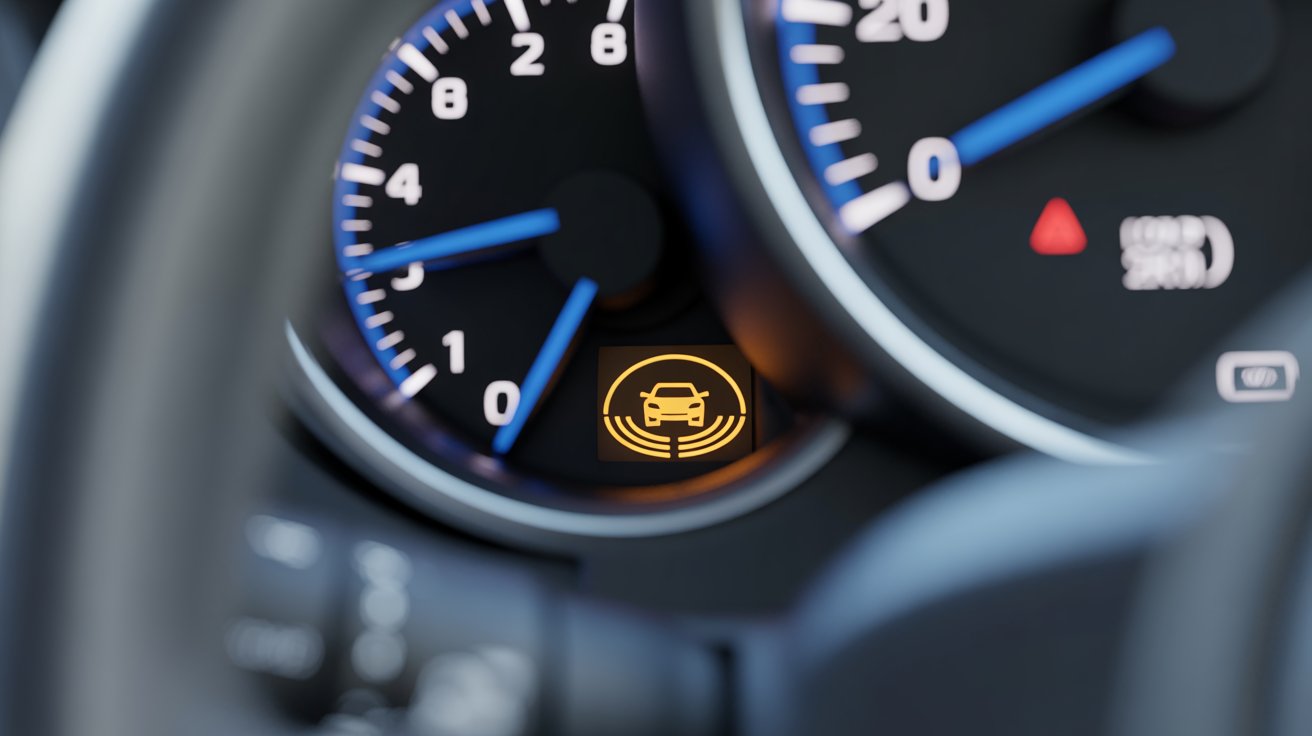
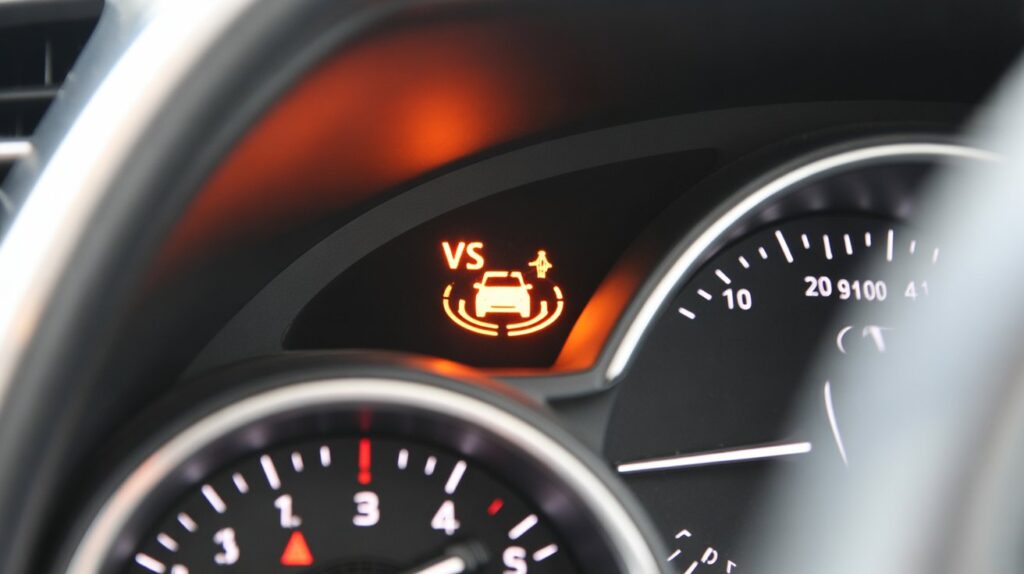
When that Toyota VSC light suddenly shows up on your dashboard it can honestly catch you off guard and even make you a bit worried. Most drivers are not really sure if it means something serious or just a temporary system reaction. Here is the thing this warning is directly connected to the Vehicle Stability Control system which helps your car stay steady during sharp turns skids or slippery road situations. The light can come on because of sensor problems engine related faults or even small electrical issues that affect how accurately the system works. The car might still feel normal when driving but you should know that stability support may not be fully active.
Understanding the VSC light Toyota meaning, its common triggers, and how it connects with Toyota dashboard warning lights allows you to respond calmly, avoid unsafe driving, and make informed repair decisions.
What Is Vehicle Stability Control (VSC) in Toyota?
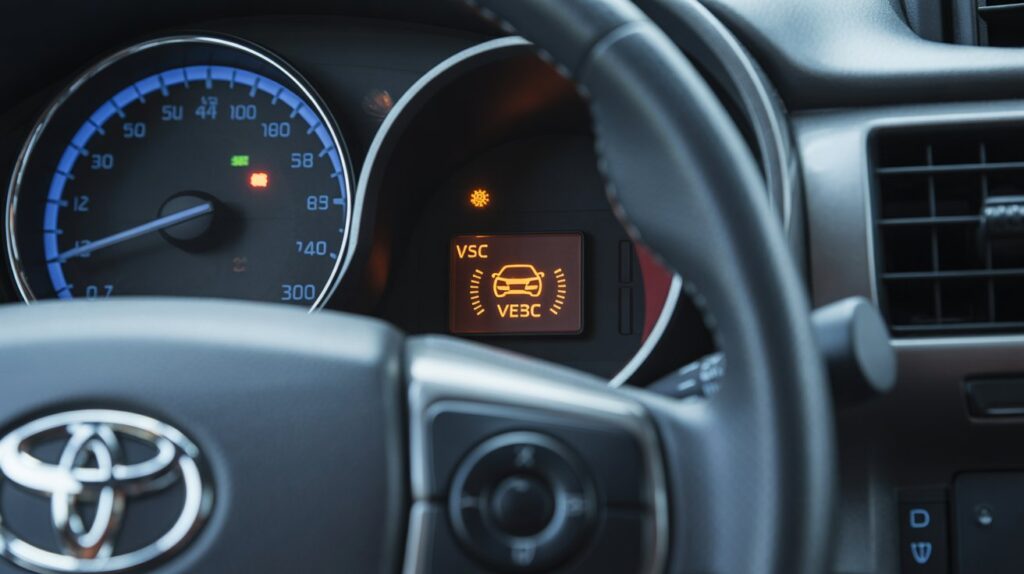
Vehicle Stability Control is basically a built in safety feature that works quietly to keep your Toyota steady when you take sudden turns drive on slippery roads or face emergency situations. It keeps checking things like how you are steering how fast each wheel is spinning and how the vehicle is moving so it can stop skidding or loss of control before it becomes dangerous. You can think of it as an important part of the overall Toyota safety system that works in the background to protect you while driving.
You can think of VSC as a silent co-driver. It steps in only when needed, using braking and engine control to correct the vehicle’s path. This system works closely with ABS and traction control to manage stability control in real driving situations.
How Toyota VSC Works in Real Driving
When your Toyota detects that the wheels are not moving evenly or the car starts shifting sideways in an unusual way the VSC system reacts almost instantly. What it does is apply braking force to certain wheels and sometimes reduce engine power if needed to bring the car back under control. This is not based on guessing at all it relies on real data from sensors and it happens much faster than any human could react in that situation.
The goal is not speed reduction, but direction correction. You often feel a slight brake pulse or engine performance change, which means the system is actively protecting you. This behind-the-scenes operation is why VSC is so effective in emergencies.
Difference Between VSC, TRAC, and ABS
VSC controls overall vehicle direction, while traction control focuses on wheel spin during acceleration. ABS prevents wheel lock during hard braking. Together, they form an integrated safety network called the skid control system Toyota relies on.
If one system detects unreliable data, the others may shut down as well. This is why multiple dashboard indicators often appear together, including ABS, TRAC, and VSC lights.
What Does the VSC Warning Light Mean on a Toyota?
The VSC warning light means the system is either turned off or unable to operate correctly. This does not always indicate damage. Sometimes it is a temporary response to another fault, especially related to the engine or electrical system.
Drivers often search for the VSC light Toyota meaning, but the answer depends on context. The light must be interpreted alongside other warnings, vehicle behavior, and fault codes to understand the real issue.
Solid VSC Light vs Flashing Light
A solid VSC light usually means the system has been disabled due to a detected issue. The car still drives normally, but without electronic stability assistance. A flashing light means the system is actively correcting a skid at that moment. Flashing is normal during slippery driving. A solid light that stays on indicates a system malfunction warning that should be diagnosed soon.
“Check Vehicle Stability Control System” Explained
This message appears when the system cannot verify safe operation. It often shows up with other Toyota dashboard warning lights, especially the check engine or traction control light. Toyota uses this message as a precaution. The system shuts down to avoid incorrect braking or torque reduction when sensor data is unreliable.
Why the VSC Light Turns On (Complete Cause Breakdown)
Most of the time when you see the VSC warning it does not actually mean the stability system itself has failed which surprises many drivers. In many situations another system is sending incorrect information which forces the VSC to turn itself off as a safety step. Understanding what causes the VSC light to turn on can really help you stay calm instead of panicking. Toyota vehicles are quite sensitive when it comes to sensor accuracy and voltage balance so even small issues can trigger these warnings just to keep both you and the vehicle protected.
Check Engine Light Triggering VSC Shutdown
When the check engine light Toyota appears, the engine control unit may disable VSC automatically. This happens because engine faults affect torque calculations needed for stability control. Toyota prioritizes predictability. If the engine does not respond as expected, VSC is turned off to avoid unsafe corrections during driving.
Faulty Wheel Speed Sensors
Wheel speed sensors track how fast each wheel rotates. Dirt, corrosion, or wiring damage can cause incorrect readings, confusing the stability system. When wheel data conflicts, VSC shuts down to prevent false braking. This is common after driving in mud, snow, or heavy rain.
Steering Angle Sensor Problems
The steering angle sensor tells the system where you intend to go. If this sensor loses calibration or fails, VSC cannot compare intent with actual movement. This mismatch triggers a shutdown because directional control becomes unreliable without accurate steering input.
Yaw Rate Sensor Issues
The yaw rate sensor measures how the vehicle rotates around its center. It is critical for detecting skids and oversteer. If this sensor sends abnormal data, VSC disables itself immediately. This fault is more common in older vehicles or after battery disconnections.
Throttle Body and MAF Sensor Faults
Airflow sensors affect how the engine delivers power. When throttle or MAF sensors fail, torque output becomes unpredictable. Because VSC depends on controlled power reduction, airflow issues often cause a VSC system malfunction Toyota warning.
ABS Module or Brake Actuator Failure
VSC uses the braking system to correct stability. If the ABS module or brake actuator fails, VSC cannot function safely. This is a serious condition because it affects both stability and braking assistance from the brake assist system.
Low Battery or Voltage Problems
Weak batteries cause unstable voltage, leading to sensor errors and communication faults. Many VSC warnings disappear after battery replacement. Electrical instability is one of the most overlooked sensor issues in Toyota vehicles.
Why Toyota Turns Off VSC When the Check Engine Light Appears
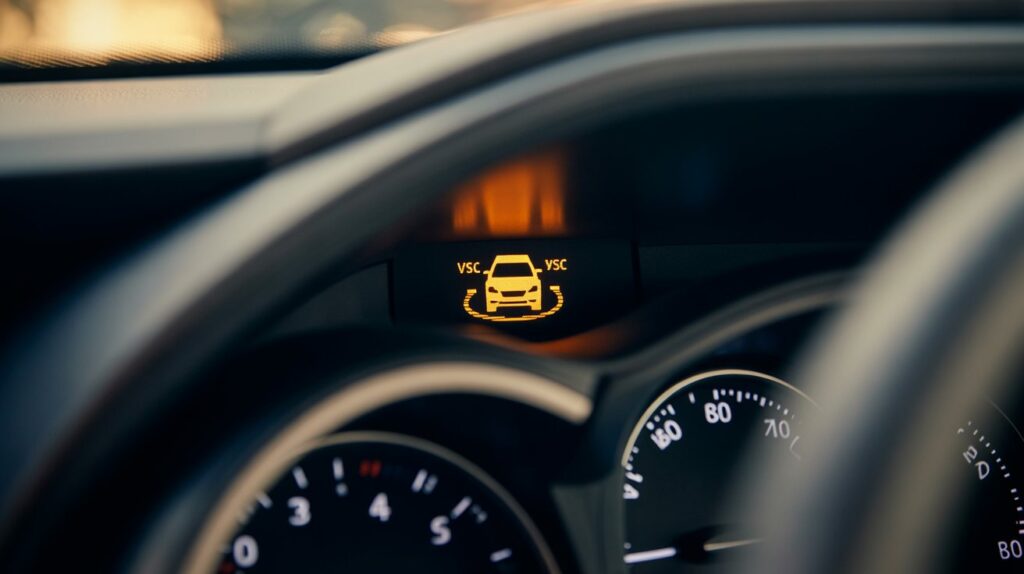
Toyota designs its systems with conservative safety logic. If the engine is not operating correctly, stability calculations become unreliable. Turning off VSC prevents incorrect interventions. This design choice protects drivers from unexpected braking or power loss. It reflects Toyota’s long-term reliability and safety-first engineering approach.
ECU Safety Logic Explained Simply
The ECU acts as a central decision-maker. When it detects conflicting or incomplete data, it disables dependent systems. This is why a simple engine fault can lead to multiple warnings, even if the vehicle feels normal.
Can You Drive With the VSC Warning Light On?
In many cases, you can still drive safely, but with reduced electronic assistance. The vehicle behaves like an older car without modern stability aids. However, safety depends on the root cause. Ignoring the warning without diagnosis increases risk.
When Driving Is Still Safe
Driving is usually safe when only the VSC light is on and the car handles normally. Brakes and steering should feel unchanged. You should still schedule a diagnostic check soon to restore full safety features.
When You Must Stop Immediately
If VSC appears with ABS warnings, brake issues, or flashing engine lights, stop driving. These conditions affect core safety systems. Seek immediate mechanic inspection or professional assistance to avoid accidents.
Step-by-Step Diagnostic Process (Toyota-Specific)
Diagnosing the problem properly should always follow a clear step by step approach because guessing usually wastes both time and money. Toyota systems are designed in a way that they need to be checked in the right order to find the real issue. It is always better to start by looking at engine related problems first and then move toward checking the stability system parts afterward.
Scan for OBD2 Codes
Use a scanner that reads engine and ABS modules. Generic scans often miss stability-related faults. This step reveals whether the issue is engine-related or within the stability system itself.
Interpret Engine vs ABS Codes
Engine codes must be fixed first. ABS and VSC codes are secondary and often disappear afterward. Understanding code hierarchy saves time during fixing VSC light issue.
Visual Checks You Can Do at Home
Check battery terminals, wheel sensor wiring, and visible connectors. Many faults are caused by loose or dirty connections. These simple checks often prevent unnecessary Toyota dealership service visits.
When Professional Diagnosis Is Required
Brake actuators, yaw sensors, and ECU faults require specialized tools. DIY attempts can worsen the problem. Professional diagnosis ensures accurate repair and system recalibration.
How to Fix the VSC Warning Light on Toyota
Fixing the warning depends entirely on the root cause. There is no universal reset that works for every situation. Permanent solutions restore system reliability and safety.
Sensor Replacement
Faulty sensors must be replaced, not bypassed. Quality parts ensure accurate data flow. After replacement, calibration may be required for proper operation.
Throttle Body Cleaning
Carbon buildup affects airflow and engine response. Cleaning restores normal engine behavior. This fix often resolves combined engine and VSC warnings.
Battery Replacement
Replacing a weak battery stabilizes voltage and sensor communication. Many drivers see immediate resolution after this simple repair.
ABS or Brake Actuator Repair
These repairs are complex and costly but essential. Ignoring them compromises braking and stability. Professional repair is mandatory in these cases.
ECU Reset vs Permanent Fix
A reset procedure only clears temporary faults. It does not repair damaged components. Permanent fixes address the root cause, not just the warning light.
Toyota VSC Repair Cost Estimates
Repair costs vary based on the fault location and vehicle model. Transparency helps you plan repairs confidently. Understanding cost ranges prevents unnecessary upselling.
Minor Sensor Repairs
Wheel or steering sensors are usually affordable. Labor is minimal, making this the most common repair. These fixes restore full stability control quickly.
Mid-Level Repairs
Throttle, airflow, or electrical repairs fall into this range. Costs increase due to diagnostics and calibration. These repairs often fix multiple warning lights together.
Major System Repairs
Brake actuators and ABS modules are the most expensive. Labor and parts costs are high. Delaying these repairs increases safety risks significantly.
Common Toyota Models Affected by VSC Warnings
Different Toyota models experience VSC issues for different reasons. Usage patterns and design variations matter. Understanding model-specific trends improves diagnosis accuracy.
Toyota Camry
Camry models often experience sensor contamination or throttle-related issues. Urban driving contributes to buildup. Regular maintenance reduces recurrence.
Toyota Corolla
Corolla models frequently show battery-related warnings. Electrical stability is critical for its compact systems. Battery health checks are essential.
Toyota Prado
Off-road use exposes sensors to dirt and water. Yaw and wheel sensors fail more often. Cleaning and inspection prevent long-term damage.
Toyota Hilux
Heavy-duty usage stresses wheel sensors and wiring. Rough terrain accelerates wear. Preventive inspection is highly recommended.
Toyota Land Cruiser
Advanced systems increase complexity. Sensor calibration is critical after repairs. Professional service ensures long-term reliability.
Preventing Future VSC Problems
Prevention is easier and cheaper than repair. Simple habits protect complex systems. Toyota designs VSC to last, but maintenance matters.
Maintenance Habits
Regular battery checks, brake inspections, and sensor cleaning keep systems stable. Follow Toyota maintenance tips consistently. Scheduled servicing prevents hidden electrical issues.
Driving Conditions That Stress the System
Frequent off-road driving, deep water exposure, and aggressive cornering increase system stress. Adjust maintenance routines based on driving conditions.
Conclusion
The Vehicle Stability Control warning light on a Toyota is not something to ignore or fear blindly. It is a protective signal designed to keep you safe when system data becomes unreliable. With proper diagnosis and informed repairs, full stability and confidence can be restored quickly and safely.
FAQs
What causes a Vehicle Stability Control light to come on?
The VSC light comes on when the system detects a fault in engine sensors, wheel speed sensors, braking components, or electrical voltage that affects vehicle stability calculations.
Is it safe to drive with a VSC warning light on a Toyota?
It is usually safe to drive short distances if the car feels normal, but stability assistance is disabled, so extra caution is required, especially on wet or slippery roads.
Can you drive with a Vehicle Stability Control light on?
Yes, the vehicle can be driven, but without stability control support, which increases the risk of skidding during sudden turns or emergency maneuvers.
What causes the VSC light to come on a Toyota?
Common causes include a check engine fault, faulty wheel speed sensors, low battery voltage, steering angle sensor issues, or ABS-related problems.
How much does it cost to fix VSC on a Toyota?
Repair costs vary widely, ranging from low-cost sensor or battery fixes to higher costs for ABS or brake actuator repairs, depending on the root cause.