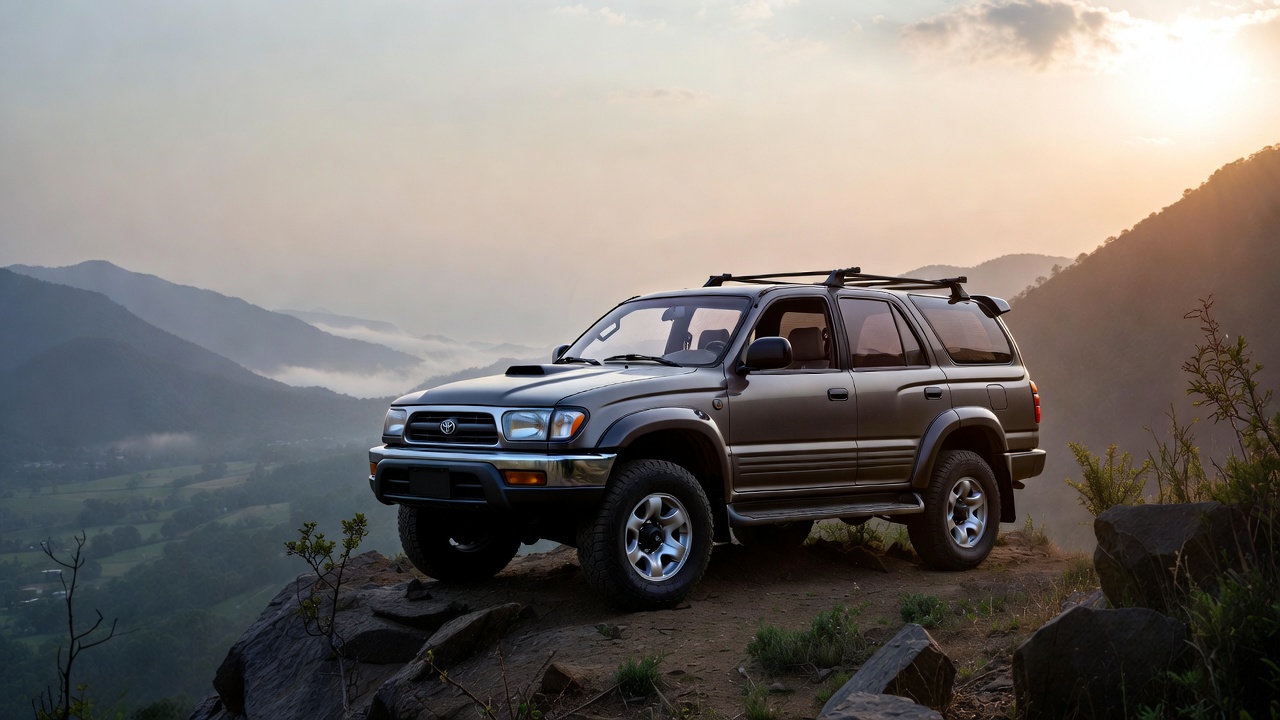
97 Toyota 4Runner Specs and Value Guide 2026
Shopping for an older SUV can feel like a gamble. You want something tough, affordable, and dependable, but you do not want to inherit someone else’s headache. The 97 Toyota 4Runner keeps coming up in conversations for a reason. Nearly three decades later, this Toyota SUV 1997 model still has a strong following, especially among off-road enthusiasts and budget buyers.
Let us break down what you really need to know before you search for a 97 Toyota 4Runner for sale.
Overview of the 97 Toyota 4Runner
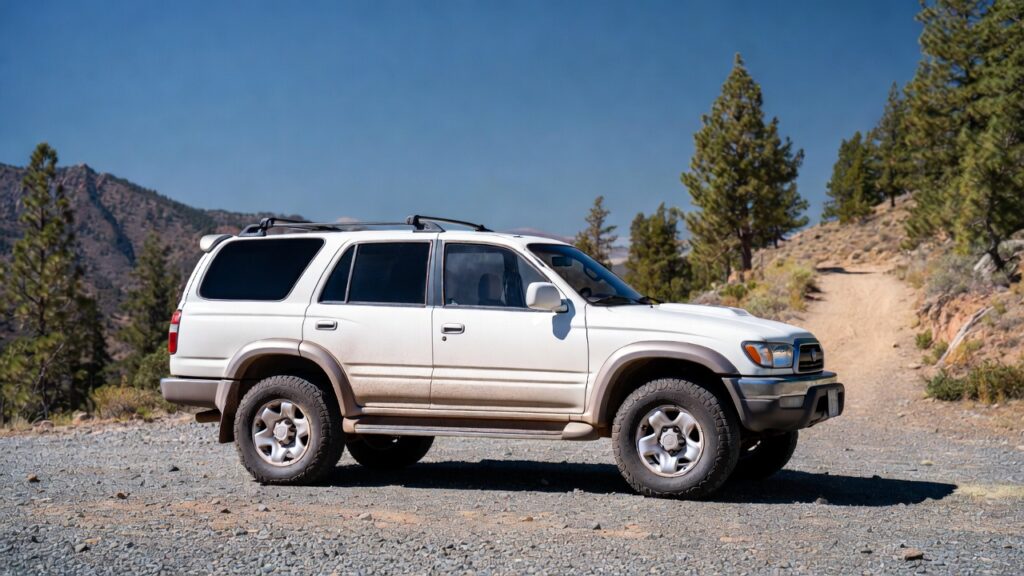
The 1997 Toyota 4Runner belongs to the third generation, often called the 3rd gen 4Runner, produced from 1996 to 2002. Many enthusiasts consider this generation the sweet spot. It combines old-school body-on-frame toughness with improved ride quality and more refined interiors compared to earlier models.
This was a true midsize SUV, not a crossover. It sits on a truck-based platform with solid off-road roots. Ground clearance is around 9 inches in stock form, giving the 97 4Runner off road credibility right from the factory. Safety features reflect 1997 standards. Dual front airbags were available, along with basic anti-lock brakes on some trims. By modern standards, it is simple. By late-1990s standards, it was competitive.
Why is it still popular? Simple. Durability, resale value, and a reputation for lasting 300,000 miles or more with proper care. That kind of longevity is rare.
97 Toyota 4Runner Engine Options and Performance
Toyota offered two engines in 1997. Both have strong reputations, but they serve different types of drivers.
2.7L 4-Cylinder Specs
The base engine was the 2.7L 3RZ-FE inline-four. It produces around 150 horsepower and 177 lb-ft of torque. It is not fast. Acceleration feels modest, especially with passengers or gear. However, this engine is known for reliability and simplicity.
Paired with either a 5-speed manual or 4-speed automatic transmission, it gets slightly better fuel economy than the V6. Many budget buyers prefer this setup for daily driving.
3.4L V6 Specs
The more popular choice is the 3.4L V6 5VZ-FE. This engine makes about 183 horsepower and 217 lb-ft of torque. The difference in power is noticeable. Highway merging feels easier, and towing performance improves significantly. This is the engine most enthusiasts recommend.
It uses a timing belt, not a chain. Toyota recommends replacement roughly every 90,000 miles. If you are evaluating 97 4Runner engine specs, always confirm timing belt history.
Transmission and 4WD System
Transmission options included a 5-speed manual and 4-speed automatic. Both are generally reliable if maintained.
The 97 4Runner 4WD system varies by trim. Some models use a part-time 4WD system, while certain Limited trims offer a multi-mode system with a center differential. This adds flexibility for mixed on-road and off-road use.
Here is a quick comparison.
Engine Specifications
| Engine | Horsepower | Torque | MPG (Est.) | Transmission |
| 2.7L 3RZ-FE | 150 hp | 177 lb-ft | 18 city / 21 hwy | 5MT / 4AT |
| 3.4L 5VZ-FE | 183 hp | 217 lb-ft | 17 city / 20 hwy | 5MT / 4AT |
MPG and Fuel Economy
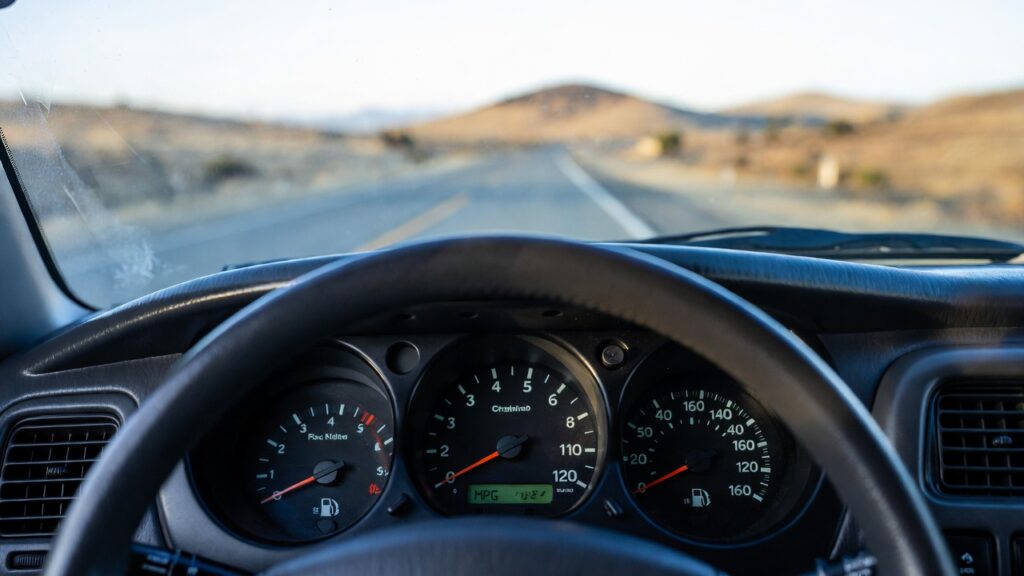
Fuel economy is reasonable for a body-on-frame SUV of this era. The 97 Toyota 4Runner MPG ratings sit around 17 to 18 mpg city and 20 to 21 mpg highway depending on engine and drivetrain. Real-world numbers often fall between 16 and 19 mpg combined. Larger tires, roof racks, or a 97 Toyota 4Runner lift kit can reduce fuel economy slightly.
Fuel tank capacity is about 18.5 gallons. Expect a practical driving range of 300 to 350 miles per tank in mixed conditions. If fuel efficiency is your top priority, this may not be your best option. But for a rugged SUV built in the 1990s, the 97 4Runner fuel economy is acceptable.
97 Toyota 4Runner Towing Capacity
The 97 4Runner towing capacity depends on engine and configuration. Models equipped with the 3.4L V6 can tow up to about 5,000 pounds when properly equipped. Four-cylinder models usually tow closer to 3,500 pounds. Payload capacity averages around 1,200 to 1,500 pounds depending on trim.
Towing performance is influenced by maintenance condition, cooling system health, and whether the vehicle has factory towing equipment. Always verify brake condition and suspension wear before hauling. For small boats, utility trailers, or lightweight campers, the V6 version is more suitable.
Reliability and High-Mileage Durability
This is where the 97 4Runner reliability reputation shines. Many examples surpass 250,000 miles, and 300,000 miles is not unusual with proper care. The 3.4L V6 is widely respected for longevity. The 2.7L engine is also durable but may feel underpowered at high mileage.
Transmission reliability is generally strong. Regular fluid changes make a significant difference, especially for automatic models. A 97 4Runner high mileage example can still be a smart buy if service records are available. Look for consistent oil changes, timing belt replacement documentation, and cooling system maintenance.
Parts availability remains excellent in the United States. Aftermarket and OEM components are widely accessible and reasonably priced.
Common Problems to Watch For
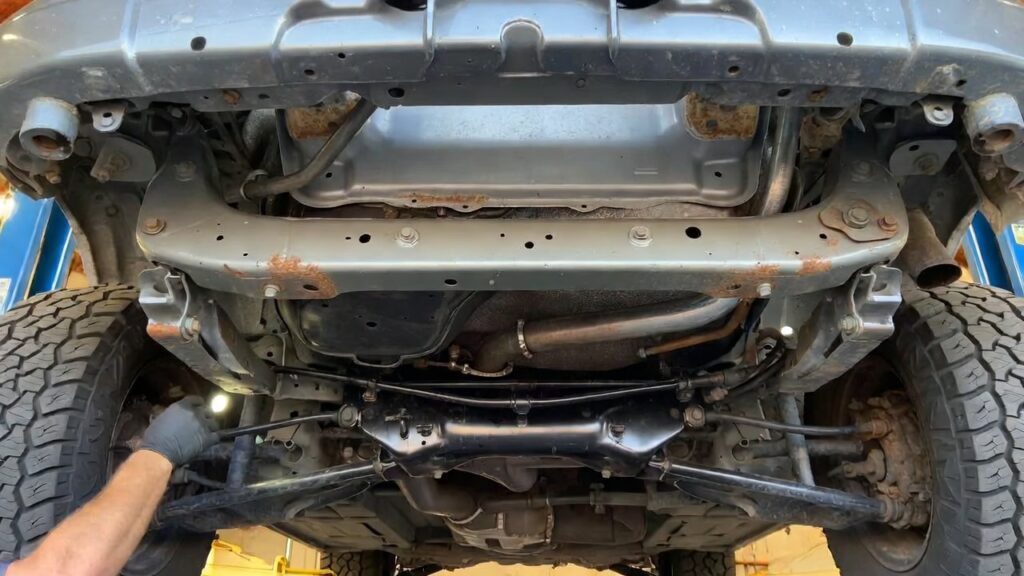
No vehicle is perfect. Understanding 97 4Runner common problems helps you avoid expensive surprises. Frame rust is the biggest concern in northern states. Toyota 4Runner frame rust can compromise structural integrity if left untreated.
Lower ball joints are another known issue. A failing 4Runner lower ball joint can cause steering instability and, in severe cases, separation. The 97 4Runner timing belt must be replaced on schedule. Ignoring it risks engine damage.
Exhaust manifold cracks, worn suspension bushings, and aging radiators also appear on higher-mileage examples.
Common Problems and Repair Costs
| Problem | Symptoms | Repair Cost (USD) | Urgency |
| Frame rust | Visible corrosion, weak spots | $1,000–$4,000+ | High |
| Lower ball joint wear | Clunking, loose steering | $300–$700 | High |
| Timing belt overdue | No record, high mileage | $600–$1,000 | High |
| Exhaust manifold crack | Ticking noise | $400–$900 | Medium |
| Radiator failure | Overheating | $250–$600 | High |
| Suspension bushings | Rough ride | $300–$800 | Medium |
97 Toyota 4Runner Trim Levels
Toyota offered several trims, including Base, SR5, and Limited.
Base
The base model is simple. Cloth seats, fewer power features, and minimal extras define it. It is lighter and sometimes preferred by off-road purists who plan modifications.
SR5
The 97 Toyota 4Runner SR5 adds convenience features. Power windows, better interior materials, and upgraded wheels are common. Many buyers find this trim balances price and comfort well.
Limited
The 97 Toyota 4Runner Limited or Toyota 4Runner 97 Limited includes leather seats, woodgrain interior accents, and sometimes the multi-mode 4WD system. It feels more upscale. Prices are often higher on the used market.
Trim Level Comparison
| Feature | Base | SR5 | Limited |
| Power Windows | Optional | Yes | Yes |
| Leather Seats | No | No | Yes |
| Multi-mode 4WD | No | Some | Yes |
| Alloy Wheels | Basic | Upgraded | Premium |
97 Toyota 4Runner Value in 2026 (USA)
A 1997 Toyota 4Runner is typically worth between $3,000 and $9,000 in the USA in 2026. Price depends on mileage, condition, drivetrain, and maintenance history. Low-mileage V6 4WD models in rust-free condition command the highest resale values.
Private party prices are usually lower than dealer listings. Clean examples with under 150,000 miles can approach the upper end of the range.
Here is a practical breakdown.
2026 Market Value by Mileage
| Mileage Range | Private Price | Dealer Price | Condition |
| Under 150k | $7,000–$9,000 | $8,000–$10,000 | Excellent |
| 150k–200k | $5,000–$7,000 | $6,000–$8,000 | Good |
| 200k–250k | $3,500–$5,000 | $4,500–$6,000 | Fair |
| 250k+ | $3,000–$4,000 | $3,500–$5,000 | Varies |
The used 97 4Runner price also depends on region. Rust-free southern vehicles often command a premium.
Ownership Costs and Maintenance
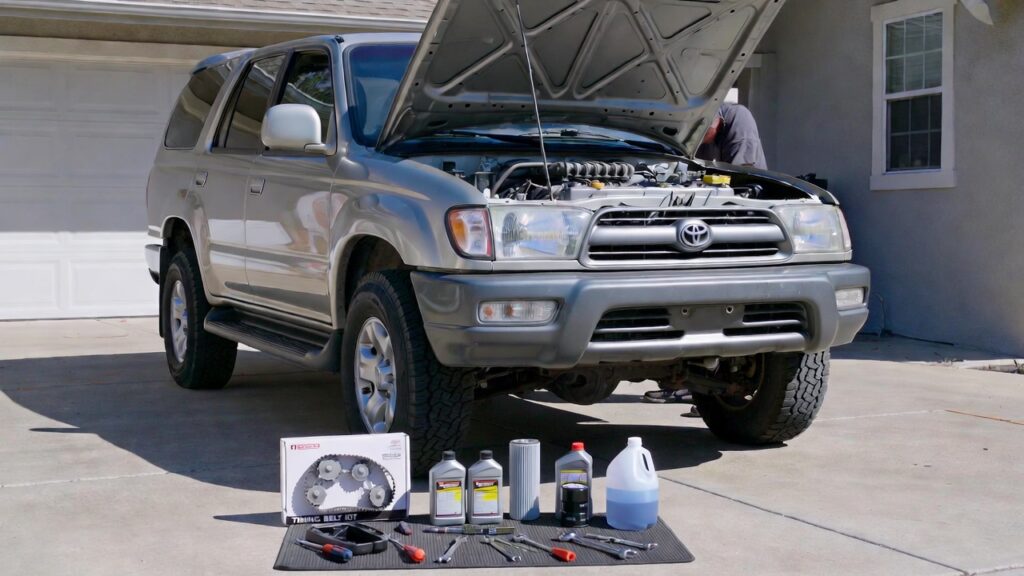
Maintenance is straightforward but not free. Timing belt service runs between $600 and $1,000 depending on labor rates.
Suspension refreshes, especially on high-mileage vehicles, may cost $500 to $1,500 if shocks and bushings are replaced. Insurance is generally affordable. Many drivers pay between $600 and $1,000 per year depending on location and coverage.
Here is a quick inspection list you can use when evaluating a vehicle.
Buyer Inspection Checklist
| Item to Check | Why It Matters | Pass/Fail |
| Frame condition | Structural safety | |
| Timing belt record | Prevent engine damage | |
| Ball joints | Steering safety | |
| Transmission shifts | Avoid costly repair | |
| Cooling system | Prevent overheating |
This 97 4Runner inspection checklist can save you thousands if used carefully.
Pros and Cons of the 97 Toyota 4Runner
Pros:
- Excellent durability
- Strong resale value
- Capable off-road
- Reliable V6 engine
- Good parts availability
Cons:
- Aging safety features
- Rust concerns
- Average fuel economy
- Limited modern tech
97 Toyota 4Runner vs Similar SUVs
The 97 4Runner vs Cherokee comparison often comes up. Late-1990s Jeep Cherokee models offer solid off-road capability but typically have lower long-term reliability. The 97 4Runner vs Pathfinder debate is similar. The Nissan Pathfinder provides decent comfort, but resale value and longevity usually favor the Toyota.
If reliability and resale matter most, the 4Runner often wins.
Is the 97 Toyota 4Runner Still Worth Buying?
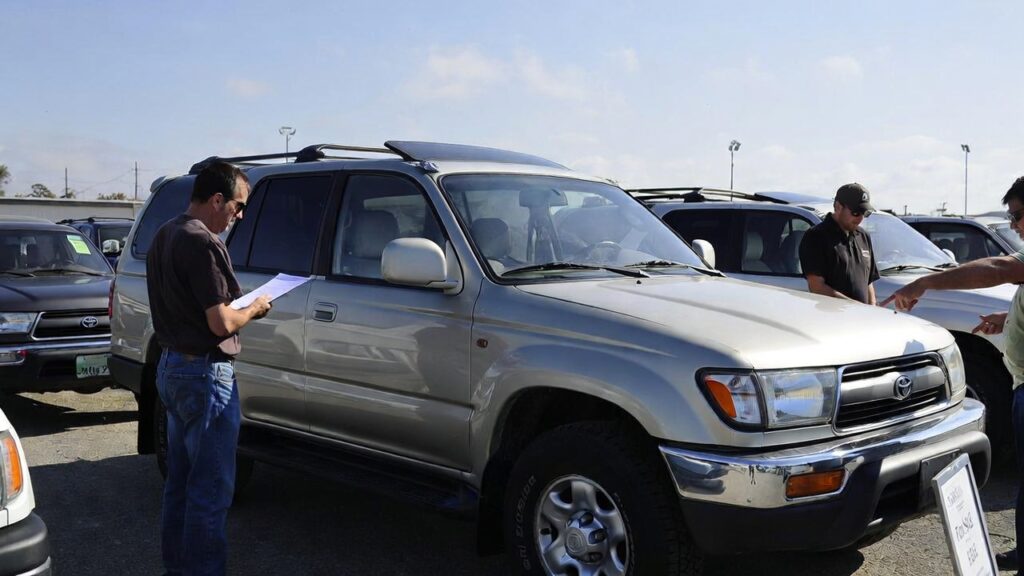
Yes, for the right buyer.
If you want a dependable, body-on-frame SUV and are comfortable with older technology, this model makes sense. It is especially appealing if you plan to modify it with a 97 Toyota 4Runner lift kit or use it for camping and trail driving. Avoid it if you expect modern safety features or high fuel efficiency. Also walk away from heavily rusted examples.
For many budget-conscious buyers, it remains one of the best used SUV values.
Conclusion
The 97 Toyota 4Runner remains a strong option for buyers who value durability over modern luxury. Focus on rust-free examples with documented maintenance, especially timing belt service. Expect to pay more for clean V6 4WD models, but they hold value well. If you find a well-maintained one, schedule a thorough inspection and move quickly. Good examples do not stay on the market long.
Sources:
FAQs
What are the bad years for 4Runners?
Most generations are reliable, but early 2000s models had some frame rust concerns. Research specific years within each generation before buying.
How much is a 1997 Toyota 4Runner worth today?
Most examples range between $3,000 and $9,000 in 2026. Mileage, condition, and drivetrain significantly affect pricing.
How many miles will a 1997 Toyota 4Runner last?
With proper maintenance, 250,000 to 350,000 miles is common. Regular oil changes and timing belt service are essential.
Is the 1997 Toyota 4Runner reliable?
Yes. Both engines are durable, and transmissions are generally strong if maintained.
What is the best year for a 4Runner?
Many enthusiasts favor 1999 to 2002 models within the third generation for updated features and refinements.
How much is a 1997 Toyota worth?
Value depends on model and condition. For a 4Runner, pricing typically falls within the $3,000 to $9,000 range.
How much should you pay for a used 4Runner?
Pay based on mileage, service history, and rust condition. Compare similar listings locally before negotiating.
What is the rarest Toyota?
Limited-production performance models such as the Toyota 2000GT are among the rarest.
What is a dollar in 1997 worth today?
One dollar in 1997 equals roughly about two dollars today, depending on inflation calculations.