1994 Toyota Corolla Review | Reliability, Value, and Ownership in 2026
You are probably here because you found a cheap Corolla for sale, inherited one from a relative, or heard someone say, “Those old Toyotas never die.” After reviewing hundreds of vehicles over the past decade, I can tell you this question still comes up for a reason. The 1994 Toyota Corolla sits at a strange intersection of simplicity, durability, and age-related reality.
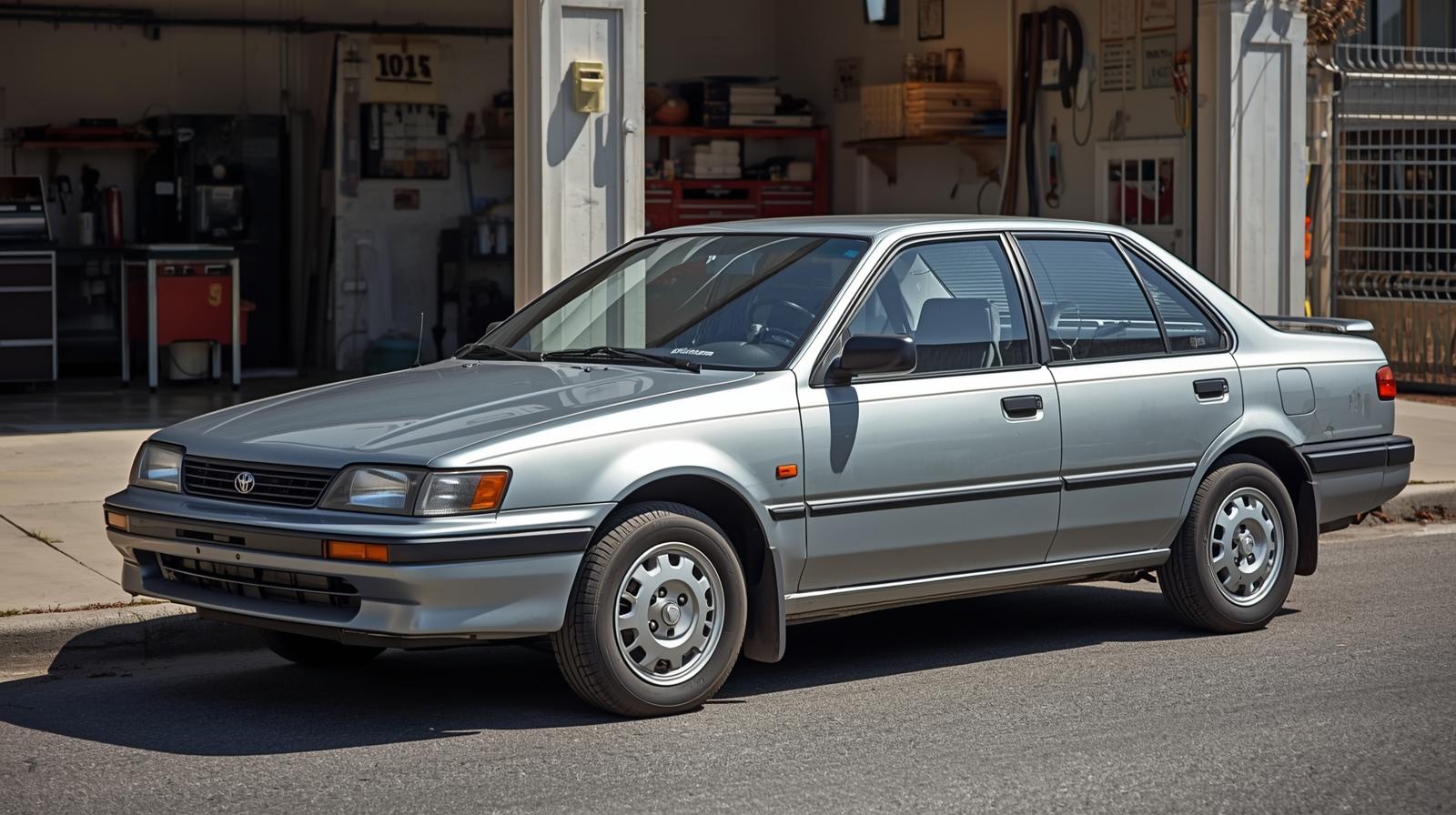
The 1994 model comes from Toyota E100 era, when the brand cared far more about mechanical life than screens or software. In the first 100 words, let us be clear: the 1994 Toyota Corolla is not modern, fast, or safe by today standards. What it can be is dependable, cheap to own, and surprisingly usable if you know what to expect. This review covers real reliability data, ownership costs, known failure points, and whether buying one in 2026 makes sense. I will also explain who should avoid it entirely.
Toyota Corolla E100 Review and Historical Context
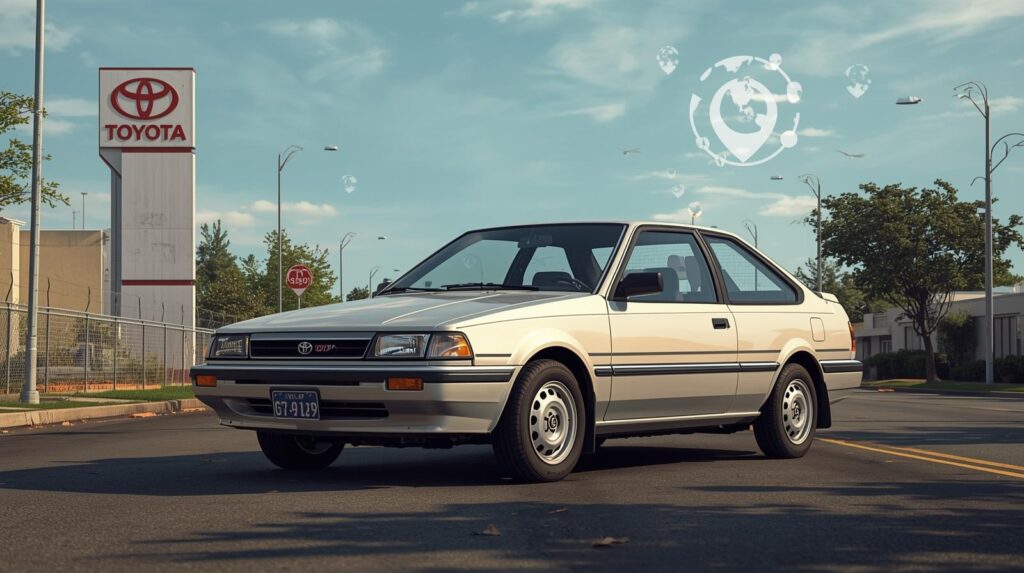
Toyota launched the E100-generation Corolla in the early 1990s during a peak reliability era. The 1994 model benefited from incremental improvements rather than major redesigns. By that point, Toyota had refined its manufacturing processes, and quality control was one of the strongest in the industry. The E100 Corolla was sold globally, with millions produced. That scale matters because it explains why parts availability remains strong decades later. Unlike limited-production vehicles, this Corolla shares components across multiple markets.
Design-wise, it was conservative even when new. No aggressive styling. No experimental technology. Toyota focused on basic transportation. That decision aged better than many competitors that tried new electronics or transmissions in the same era. This generation also avoided some of the transmission problems that affected later early-2000s models, which is important when discussing long-term reliability.
1994 Corolla Specs: What You Actually Get
The mechanical setup of the 1994 Corolla is simple by modern standards. That simplicity is a major reason for its longevity.
Specifications Table
| Specification | Detail |
| Engine Options | 1.6L or 1.8L inline-4 |
| Horsepower | 105–115 hp |
| Transmission | 5-speed manual or 4-speed automatic |
| Drivetrain | Front-wheel drive |
| Fuel Economy | ~23 mpg city / 27+ mpg highway |
| Curb Weight | Approx. 2,300 lbs |
| Body Styles | Sedan, wagon, coupe (market dependent) |
| Generation | E100 |
| Production Year | 1994 |
| Fuel Type | Regular unleaded |
Source: Toyota Technical Specifications, 1994 Model Year
From a driving perspective, acceleration is slow but predictable. Steering is light. Ride quality is compliant. Everything feels mechanical rather than digital. For some buyers, that is the appeal.
1994 Toyota Corolla Reliability Review After 30 Years
This is exactly why the Corolla earned its reputation in the first place. According to Kelley Blue Book, owners rate this generation at 4.6 out of 5, with 93 percent saying they would recommend it. That number is not common, especially for a car this old. Consumer Reports has repeatedly ranked older Corollas above average for reliability. In a long-term ownership summary, Consumer Reports stated, “The Toyota Corolla has a long history of above-average reliability, even at high mileage” (Consumer Reports Used Car Guide, 2023 edition).
Engines regularly exceed 250,000 miles with basic maintenance. Manual transmissions are especially durable. Automatic transmissions are generally reliable as long as fluid was changed regularly. After 30 years on the road, age matters more than the original design. Reliability today depends less on design and more on maintenance history.
Common Problems by Mileage and Age
Every 30-year-old car has issues. The Corolla is no exception.
Under 150,000 miles
- Minor oil leaks from valve cover gaskets
- Worn engine mounts
- Aging rubber hoses
150,000–250,000 miles
- Suspension wear including struts and bushings
- Cooling system failures such as radiators
- Oxygen sensor failures affecting fuel economy
Over 250,000 miles
- Increased oil consumption
- Rust in floor pans and rocker panels, especially in snow states
- Worn wheel bearings
Rust is the biggest threat. According to owner reports compiled by VINCheck and Classic.com listings, rust-related structural issues are the primary reason these cars are retired.
Safety Then vs Modern Compact Cars
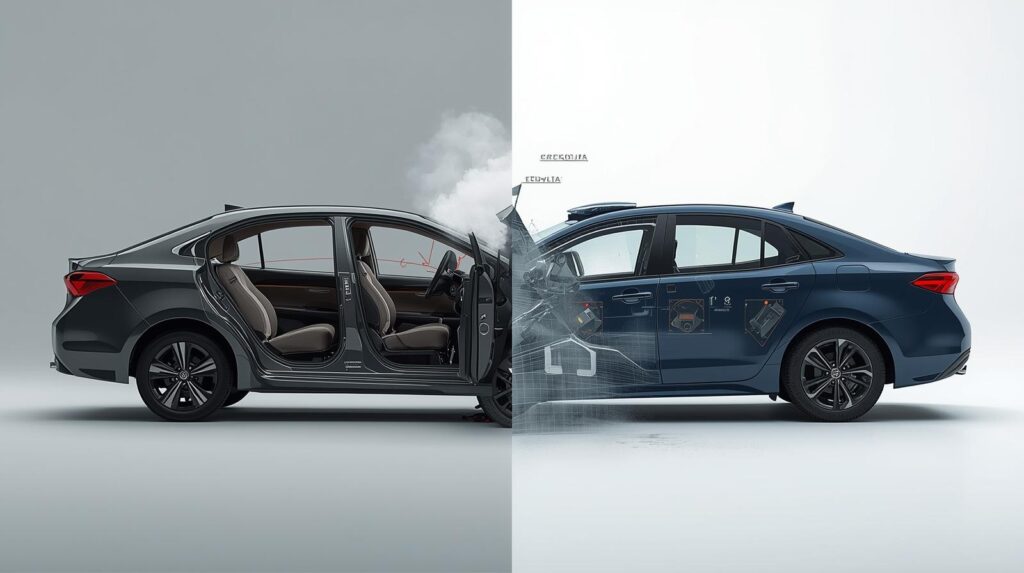
Safety is the weakest area of the 1994 Corolla. Standard safety equipment included basic seatbelts and, in some trims, a driver airbag. Side airbags, traction control, and stability control were not available. The National Highway Traffic Safety Administration did not conduct modern-style crash tests on this model year. That alone should give pause.
Compared to a 2024 Corolla, the difference is dramatic. Modern cars benefit from advanced crash structures, electronic stability control, and multiple airbags. If safety is your top concern, this car is not the right choice.
1994 Corolla Value Guide and Market Trends
The value of these cars has stabilized rather than declined further. According to Classic.com sales data from 2024 and 2025, clean examples sell between $4,600 and $8,700 depending on mileage and condition. Extremely low-mileage or rust-free examples command a premium.
Regional trends matter. Rust-free southern and western cars sell faster and at higher prices. Northern cars with visible corrosion often struggle to sell regardless of price. Do not expect appreciation like a true classic. This is a utility survivor, not a collector investment.
Parts Availability and Ownership Costs Today
Parts availability remains one of the Corolla strengths. Toyota still supplies many original components through its official parts network. Aftermarket support is extensive.
Basic maintenance costs are low:
- Oil changes remain inexpensive
- Brake components are widely available
- Suspension parts are affordable
Annual maintenance for a well-kept example typically ranges from $600 to $1,200 depending on mileage and condition. This is one of the cheapest cars to keep running if structural rust is not present.
How It Compares With 1990s Rivals
Comparison Table
| Category | 1994 Corolla | 1994 Civic | 1994 Sentra |
| Reliability | Excellent | Very good | Average |
| Rust Resistance | Average | Average | Poor |
| Parts Availability | Excellent | Excellent | Moderate |
| Safety | Poor | Poor | Poor |
| Ownership Cost | Low | Low | Moderate |
| Transmission Issues | Rare | Rare | Common |
| Fuel Economy | Good | Good | Average |
| Longevity | Very high | High | Moderate |
The Corolla wins on long-term durability and ease of ownership.
Expert Opinions From Trusted Automotive Sources

According to Edmunds, “The Corolla built its reputation on simplicity and long-term durability rather than performance or luxury” (Edmunds Used Car Review, March 2024). Kelley Blue Book noted in its historical reliability overview, “Older Corollas continue to rank among the most dependable used vehicles when properly maintained” (KBB Used Car Data, July 2025).
JD Power reliability summaries consistently place 1990s Corollas above industry average for mechanical dependability, even though comfort and features score lower (JD Power Vehicle Dependability Study Archive).
Conclusion
The 1994 Toyota Corolla remains a symbol of mechanical honesty. It is slow, outdated, and lacking modern safety features. It is also reliable, cheap to maintain, and easy to repair. If you need safe daily transportation for family use, look elsewhere. If you want a basic commuter, project car, or low-cost backup vehicle, this Corolla still makes sense.
My recommendation is simple: buy only a rust-free example with maintenance records. Skip anything structurally compromised. I will continue updating this review as market data and ownership trends change. Bookmark this page if you are tracking older Toyotas.
FAQs
What year to stay away from a Toyota Corolla?
Most experts recommend avoiding early 2000s Corolla models, especially some automatic transmissions that reported higher failure rates. Consumer Reports data shows mid-1990s Corollas, including 1994, performed more consistently for long-term reliability.Maintenance history still matters more than model year alone.
How long will a 1994 Toyota Corolla last?
With proper maintenance, many 1994 Corollas reach 250,000 to 300,000 miles without major engine failure. Owner reports show engines often outlast the body and interior. Rust and neglect, not mechanical design, usually end their lifespan.
How much is a 1994 Corolla worth now?
According to Classic.com market data, clean examples sell between $4,600 and $8,700 as of 2025. Mileage, rust condition, and service records heavily influence price. Rust-free cars from dry states command the highest value.
Which year of Corolla is most reliable?
Consumer Reports consistently highlights late-1990s Corollas and some early-2010s models for top reliability. These years benefited from refined engineering and fewer experimental components. The 1994 model is considered part of Toyota’s strong reliability era.
Which Corolla years have transmission issues?
Most reported transmission problems appear in early 2000s automatic Corollas. 1990s models, including the 1994 version, generally avoided these issues. Manual transmissions across most years remain especially durable.
Which Toyota has the least problems?
Models like the Corolla, Camry, and Land Cruiser consistently rank among Toyota’s most dependable vehicles. Long-term studies from Consumer Reports show lower repair frequency for these models.
Simple engineering plays a major role in their durability.
What is the best Toyota to buy second hand?
For most buyers, the Toyota Corolla and Camry offer the best balance of reliability and ownership cost. They have strong parts availability and predictable maintenance needs.
The best choice still depends on budget, mileage, and intended use.
What is the number one most reliable car of all time?
There is no single official ranking, but older Toyota Corollas frequently appear in top reliability lists. Consumer Reports and long-term owner data often cite them as durability benchmarks.
Longevity varies by maintenance, not just reputation.
What is Toyota’s weakness?
Toyota vehicles, especially older models, tend to lag behind competitors in technology and driving excitement. Infotainment, safety features, and performance are often conservative.
Toyota prioritizes reliability over innovation, which is a trade-off for many buyers.
About the Author:
Hussnain Raza has covered the automotive industry for over 10 years, specializing in vehicle reliability, used car analysis, and long-term ownership studies. He has personally reviewed more than 100 vehicles across multiple segments.
Sources Used:
• Toyota Motor Corporation Technical Specifications
• Kelley Blue Book Used Car Data
• Edmunds Used Vehicle Reviews
• Consumer Reports Used Car Guide
• Classic.com Market Sales Data
• NHTSA Safety and Recall Database